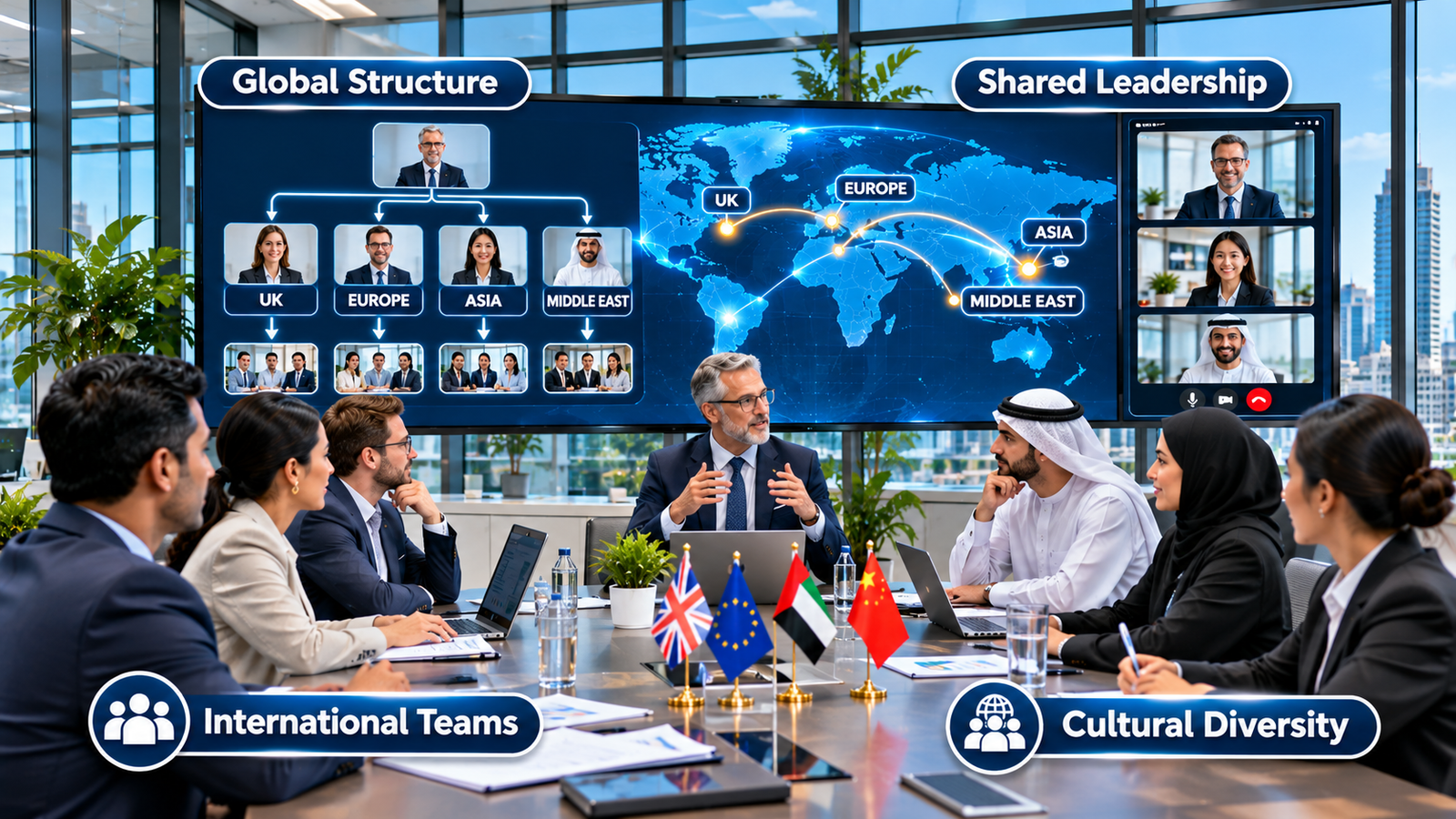
The ICTQual Level 1 Certificate in Equality, Diversity and Human Rights is an entry-level qualification designed to introduce Learners to the fundamental principles of equality, diversity, inclusion and human rights in everyday life and the workplace. This course provides essential knowledge of respecting individual differences, promoting equal opportunities, recognising discrimination and understanding the importance of treating everyone with dignity, fairness and respect.
Through this qualification, Learners develop an understanding of protected characteristics, different forms of discrimination, inclusive behaviour and basic human rights principles. It also explores how individuals can contribute to creating safe, respectful and inclusive environments across workplaces, educational institutions, healthcare settings and wider communities.
The ICTQual Level 1 Certificate in Equality, Diversity and Human Rights is suitable for beginners, school leavers, new employees and individuals seeking to develop their awareness of equality and human rights. It is particularly valuable for those interested in healthcare, education, customer service, administration and community support roles.
Whether you are beginning your professional journey or enhancing your understanding of inclusive practices, this qualification provides a strong foundation for promoting equality, respecting diversity, preventing discrimination and upholding human rights in everyday life and professional environments.
The ICTQual Level 1 Certificate in Equality, Diversity and Human Rights is an entry-level qualification suitable for individuals who want to develop basic knowledge of equality, diversity, inclusion and human rights. Learners do not need extensive academic qualifications or previous professional experience to enrol.
- Age: Learners should normally be at least 16 years old.
- Educational Background: No formal academic qualifications are required.
- Experience: No previous work experience or background in equality, diversity or human rights is required.
- English Language: Learners should have a sufficient level of English reading, writing, speaking and comprehension skills to understand course materials, participate in learning activities and complete assessments.
Mandatory Units
- Foundations of Equality, Diversity, and Human Rights
- Recognising Bias and Stereotypes
- Workplace Inclusion and Fair Treatment
- Understanding Harassment and Bullying
- Legal and Ethical Aspects of Equality and Diversity
Skills You Will Gain
Foundations of Equality, Diversity, and Human Rights
- Define key terms and concepts related to equality and diversity
- Understand the significance of human rights in daily life
Recognising Bias and Stereotypes
- Identify how bias and stereotypes develop and their effects
- Learn ways to challenge and counteract bias in different settings
Workplace Inclusion and Fair Treatment
- Understand the importance of fair treatment in professional environments
- Recognise key practices for ensuring workplace inclusion
Understanding Harassment and Bullying
- Define harassment and bullying and their impact on individuals
- Learn strategies to prevent and respond to harassment in different contexts
Legal and Ethical Aspects of Equality and Diversity
- Understand basic legal protections against discrimination
- Recognise ethical considerations in promoting diversity and human rights
Who is This Course For?
The ICTQual Level 1 Certificate in Equality, Diversity and Human Rights is designed for beginners and individuals who want to develop a fundamental understanding of equality, diversity, inclusion and human rights. It is suitable for anyone interested in promoting fairness, respecting individual differences, preventing discrimination and creating inclusive environments in personal, educational and professional settings.
This qualification is particularly suitable for:
- Beginners and New Learners: Individuals who want to gain introductory knowledge of equality, diversity, inclusion and fundamental human rights principles.
- School Leavers: Young individuals seeking to develop essential social awareness and prepare for future education, training or employment opportunities.
- New Employees: Individuals entering the workplace who want to understand equality responsibilities, respectful behaviour and inclusive working practices.
- Healthcare and Social Care Workers: Individuals interested in understanding dignity, respect, individual rights and fair treatment when supporting people from diverse backgrounds.
- Education and Training Professionals: Teaching assistants, support staff and aspiring educators who want to develop awareness of inclusive learning environments and equal opportunities.
- Customer Service Professionals: Individuals working with customers and the public who want to improve their understanding of cultural differences, respectful communication and non-discriminatory service delivery.
- Administrative and Office Staff: Employees who want to understand workplace equality, diversity policies and appropriate professional conduct.
- Community and Voluntary Workers: Individuals involved in community services, charities and voluntary organisations who wish to promote inclusion, fairness and human rights.
- Individuals Seeking Personal Development: Anyone interested in challenging discrimination, respecting diversity and developing a better understanding of equality and human rights.
This course is ideal for individuals with no previous experience who want to build a foundation in equality, diversity and human rights and develop knowledge that can support further learning and professional development.ronments.
Future Progression
After completing the ICTQual Level 1 Certificate in Equality, Diversity and Human Rights, Learners can explore further education, professional training and entry-level career opportunities related to equality, diversity, inclusion, human rights and community support. This qualification provides a foundation for developing knowledge of inclusive practices, equal opportunities and the importance of respecting individual rights.
Potential future progression pathways include:
- Level 2 Qualifications in Equality and Diversity: Progress to higher-level learning to develop a deeper understanding of equality legislation, discrimination, inclusive practices and promoting diversity.
- Human Rights and Social Justice Training: Undertake further training to explore human rights principles, individual freedoms, social responsibility and the prevention of discrimination.
- Health and Social Care Qualifications: Progress towards introductory health and social care qualifications to develop knowledge of person-centred care, dignity, safeguarding and individual rights.
- Safeguarding and Protection Training: Develop additional knowledge through safeguarding qualifications covering the protection, welfare and rights of children, vulnerable adults and other individuals.
- Inclusion and Diversity Training: Explore further learning in workplace inclusion, cultural awareness, equal opportunities and creating respectful professional environments.
- Community Support and Voluntary Work: Apply the knowledge gained when exploring opportunities in community organisations, charities, voluntary services and social support environments.
- Customer Service and Workplace Development: Build on equality and diversity awareness to develop professional communication, respectful customer interaction and inclusive workplace behaviour.
- Further Professional Development: Undertake additional certificates and diplomas in related subjects to strengthen knowledge, improve employability and prepare for more advanced learning opportunities.
Completing this qualification provides a useful starting point for Learners who wish to pursue further studies and develop an understanding of equality, diversity, inclusion and human rights across different professional sectors. Progression to higher-level qualifications may depend on the relevant awarding body’s entry requirements. are essential.ources, community services and other sectors.t Learners in developing a foundation for further education, skills development and employment-related training. Progression will depend on individual interests, experience and the entry requirements of the next qualification.
Curious About This Course?