
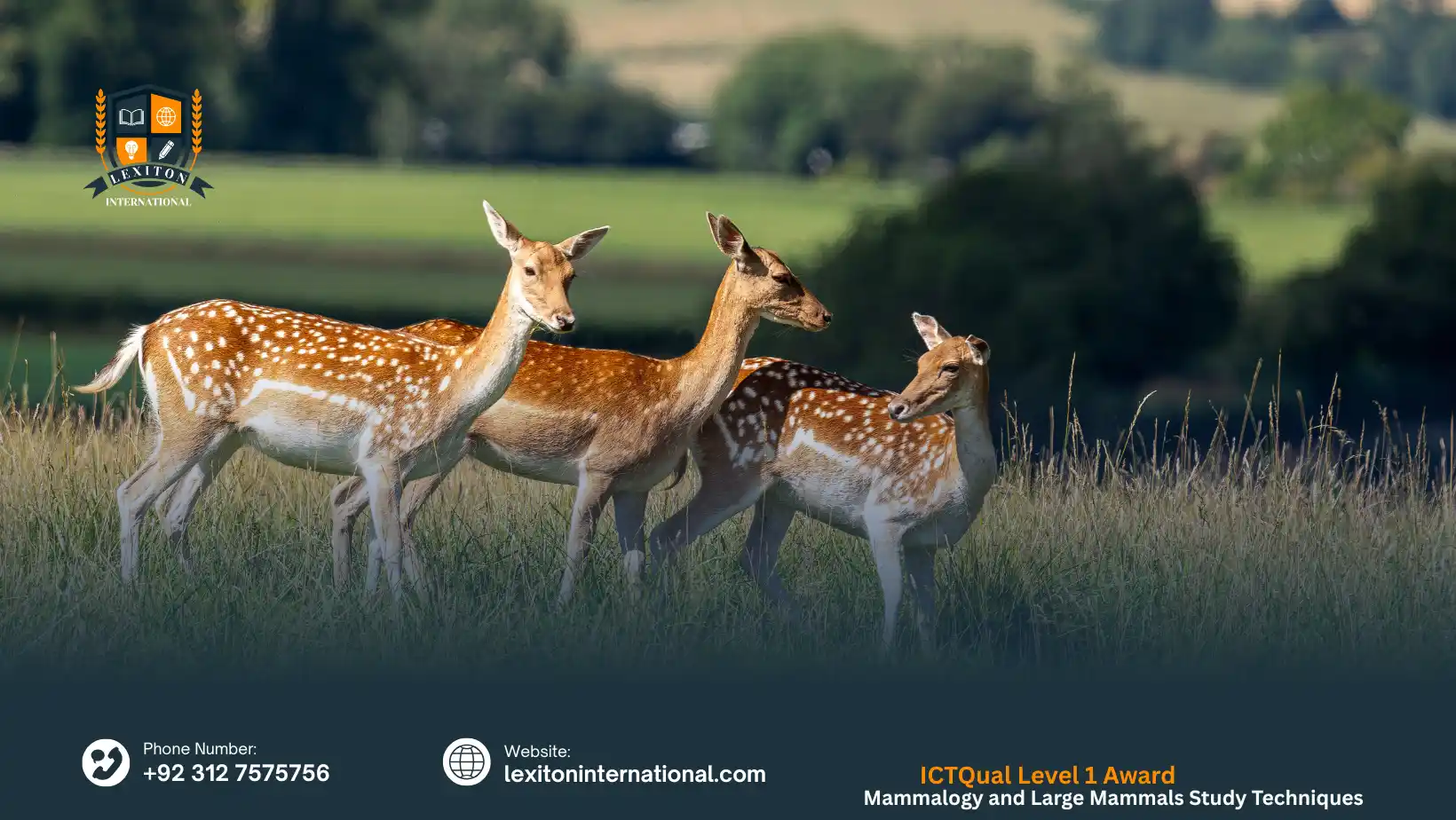
Mammalogy and Large Mammals Study Award – ICTQual
The ICTQual Level 1 Award in Mammalogy and Large Mammals Study Techniques is a specialized vocational qualification designed to provide a foundational understanding of mammalian biology, behavior, and the scientific methods used to study large mammals in their natural habitats.
The natural world depends on skilled individuals capable of monitoring wildlife health and population dynamics. The ICTQual Level 1 Award in Mammalogy and Large Mammals Study Techniques offers an exhilarating entry point into the world of zoological research and field biology. This qualification is meticulously designed to transform a general interest in wildlife into a structured, scientific understanding of mammalian behavior and conservation. By focusing on the biology of large mammals and the modern methodologies used to track them, this course ensures that learners are prepared for the rigors of field-based environmental work.
Unlike generic nature courses, the ICTQual Level 1 Award in Mammalogy and Large Mammals Study Techniques hooks the reader by providing immediate exposure to essential surveying tools and data collection practices. Whether you are fascinated by predator-prey dynamics or the management of endangered herds, this program equips you with the technical language and observational skills required by professional conservationists. You will gain a deep appreciation for the ecological roles of large mammals while mastering the ethical standards of wildlife research. By choosing this award, you are taking the first professional step toward a career dedicated to protecting the planet’s most iconic species through evidence-based study and fieldwork excellence.
- Age Requirements: Learners must be at least 16 years or older at the time of enrollment.
- Professional Experience: No prior experience in wildlife biology is required.
- Educational Background: No formal academic prerequisites; a basic secondary education is recommended.
- English Language Proficiency: Learners must have a good command of English to engage with course materials, assessments, and technical documentation effectively.
Mandatory Units
Skills You Will Gain
Introduction to Mammalogy and Large Mammals
- Identify the basic characteristics and classifications of large mammals.
- Recognize the ecological importance of large mammals within different habitats.
- Describe fundamental aspects of mammal anatomy and behaviour.
- Understand the role of large mammals in biodiversity and ecosystem balance.
- Develop awareness of conservation issues affecting large mammal populations.
Basic Observation and Recording Techniques
- Apply simple field observation methods to study large mammals.
- Record basic data such as species, location, and behaviour using structured formats.
- Use introductory tools such as notebooks, maps, and simple tracking guides.
- Demonstrate accuracy and consistency in recording wildlife observations.
- Reflect on observations to identify patterns in mammal behaviour and habitat use.
Principles of Wildlife Safety and Ethics
- Follow safety guidelines during fieldwork to protect both learners and wildlife.
- Demonstrate respect for animal welfare through responsible observation practices.
- Understand the importance of minimizing human impact on natural habitats.
- Apply ethical principles when interacting with wildlife and reporting findings.
- Recognize the value of conservation ethics in promoting sustainable mammal studies.
This program is ideal for beginners and outdoor enthusiasts who wish to move beyond casual observation into the realm of professional wildlife monitoring. The ICTQual Level 1 Award in Mammalogy and Large Mammals Study Techniques solves the problem of “unstructured data collection” by teaching students how to record animal behavior accurately and scientifically. It is perfect for those at an introductory skill level who want to contribute to global biodiversity databases.
Who Is this for
- Aspiring Field Assistants looking for a formal certification to support senior researchers.
- Wildlife Photographers wanting to understand animal behavior for better, more ethical shots.
- Eco-Tourism Guides seeking to provide deeper scientific insights to their guests.
- Citizen Scientists who want to participate in official wildlife census programs.
- Conservation Volunteers aiming to upgrade their skills for international volunteer placements.
- Nature Reserve Guards needing a basic scientific foundation for animal tracking.
- Gap Year Students looking for a meaningful, career-oriented environmental qualification.
The ICTQual Level 1 Award in Mammalogy and Large Mammals Study Techniques acts as a vital building block for more advanced environmental certifications. It prepares learners for a seamless transition into specialized wildlife roles.
Future Progression
- Progress to Level 2 and Level 3 Certificates in Wildlife Conservation or Zoology.
- Advance to specialized diplomas in African Safari Guiding or Habitat Management.
- Transition into technical field roles such as Junior Wildlife Tracker or Research Assistant.
- Gain eligibility for specialized workshops in GPS collar tracking and drone-based wildlife surveys.
- Develop foundational expertise required for entry-level positions in environmental consultancy firms.
- Build the necessary skills to support conservation projects in national parks and private game reserves.
Curious About This Course?