
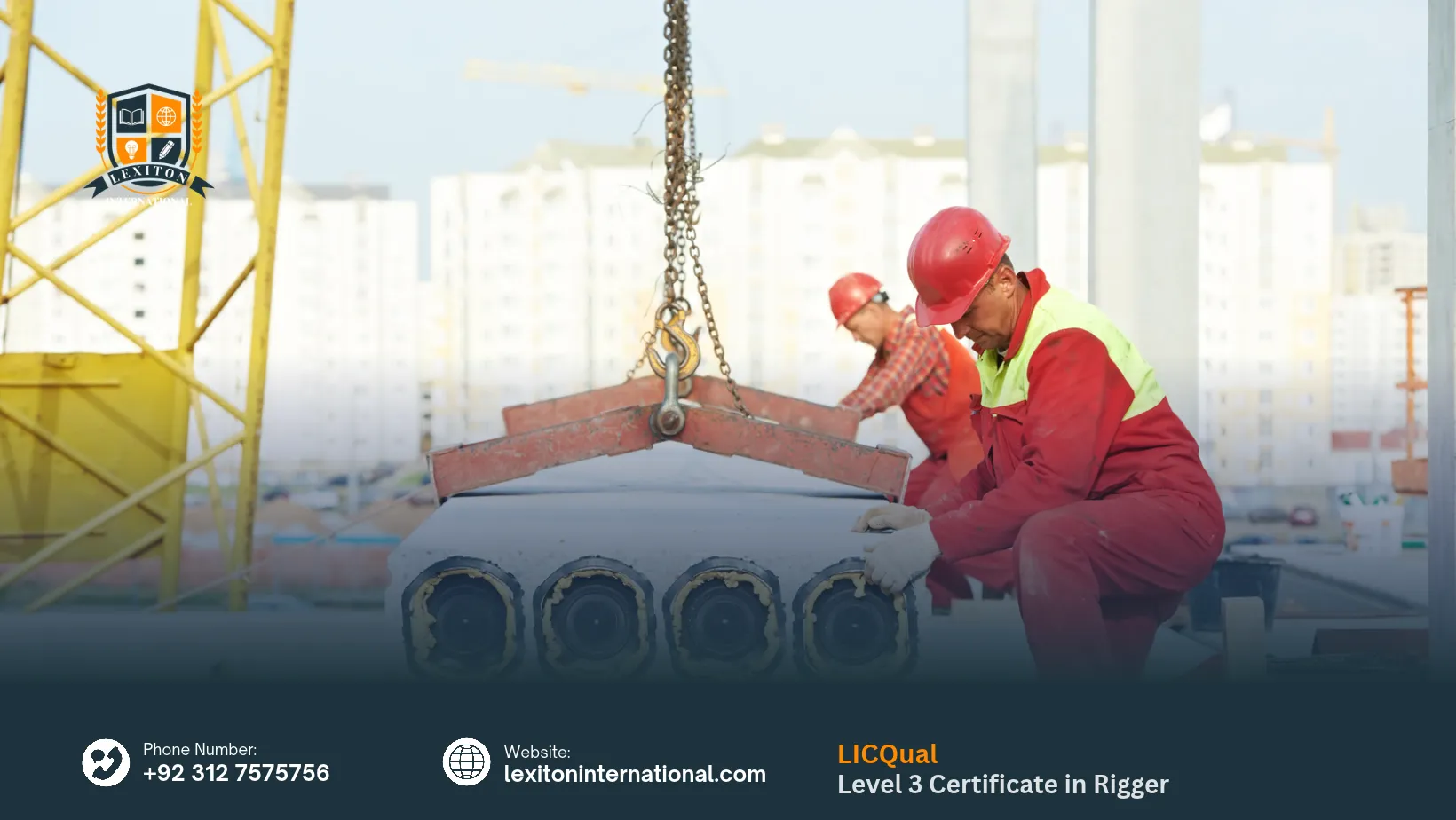
The LICQual Level 3 Certificate in Rigger is a professional qualification designed for individuals seeking to develop their knowledge and skills in rigging operations, load handling and lifting safety. This course focuses on the essential principles of rigging, including the selection and use of rigging equipment, load assessment, safe lifting practices and hazard identification. It is suitable for individuals who want to strengthen their understanding of rigging procedures and workplace safety in industries such as construction, oil and gas, manufacturing, engineering and industrial maintenance. Learners can develop an understanding of how effective rigging practices contribute to safer and more efficient lifting operations.
The LICQual Level 3 Certificate in Rigger aims to support the development of practical knowledge relevant to rigging activities, including understanding lifting plans, recognising load characteristics, inspecting rigging equipment and following appropriate safety procedures. Learners can explore the importance of communication, teamwork, risk awareness and coordination with crane operators, lifting supervisors and other personnel involved in lifting operations. This knowledge is particularly relevant to workplaces where heavy materials, machinery and equipment must be lifted, moved or positioned under controlled conditions. The qualification can help Learners build a foundation for understanding the responsibilities associated with safe rigging practices.
Lexiton International provides Learners with access to professional qualification opportunities designed to support skills development and career progression. The LICQual Level 3 Certificate in Rigger may be relevant to aspiring riggers, construction workers, lifting teams and professionals seeking to enhance their knowledge of lifting and rigging safety. By developing an understanding of equipment handling, hazard prevention and safe working procedures, Learners can strengthen their professional development in lifting-related environments.
The LICQual Level 3 Certificate in Rigger is designed for Learners who want to develop their knowledge of rigging operations, lifting equipment and workplace safety. The following entry requirements provide general guidance for applicants interested in developing their skills for construction, engineering and industrial lifting environments.
Age
- Learners should generally be at least 18 years old, subject to official qualification requirements.
Experience
- Previous experience in rigging, construction, engineering or lifting operations is beneficial but may not be mandatory.
Language Proficiency
- Learners should have sufficient English language skills to understand course materials, safety instructions and assessments.
Educational Background
- Basic secondary education or an equivalent qualification is recommended, subject to the awarding body’s official requirements.
Mandatory Units
Skills You Will Gain
The LICQual Level 3 Certificate in Rigger helps Learners develop essential knowledge of rigging operations, lifting equipment, load handling and workplace safety. Key skills may include:
- Rigging Operations: Understand the principles of safe rigging and load handling.
- Lifting Equipment Knowledge: Identify common rigging tools, lifting accessories and their applications.
- Load Assessment: Understand load weight, balance and centre of gravity.
- Equipment Inspection: Recognise the importance of checking rigging equipment for damage and defects.
- Hazard Identification: Identify potential hazards associated with lifting and rigging activities.
- Risk Assessment: Understand basic risk assessment procedures for lifting operations.
- Safe Lifting Practices: Understand safe working procedures and lifting precautions.
- Slinging Techniques: Understand the selection and use of appropriate lifting slings.
- Communication Skills: Recognise the importance of clear signals and communication during lifting operations.
- Teamwork and Coordination: Understand coordination between riggers, crane operators and lifting supervisors.
- Workplace Safety: Develop awareness of health and safety procedures in industrial environments.
- Problem-Solving Skills: Recognise potential rigging challenges and understand suitable preventive measures.
The LICQual Level 3 Certificate in Rigger is suitable for individuals who want to develop their knowledge of rigging operations, lifting equipment, load handling and workplace safety. This course may benefit Learners seeking professional development in construction, engineering, manufacturing, oil and gas, and other industrial environments where lifting operations are performed.
Who Is this for
- Aspiring riggers seeking to develop knowledge of rigging and lifting operations.
- Construction workers interested in improving their lifting safety knowledge.
- Crane operation support personnel involved in lifting activities.
- Lifting team members who want to understand safe rigging practices.
- Engineering professionals seeking to enhance their technical knowledge.
- Oil and gas workers involved in material handling operations.
- Manufacturing personnel responsible for moving heavy equipment.
- Industrial maintenance workers involved in lifting and positioning machinery.
- Health and safety personnel seeking to understand rigging related hazards.
- Experienced riggers looking to strengthen their professional knowledge and development.
Future Progression
The LICQual Level 3 Certificate in Rigger can support Learners who want to develop their knowledge of rigging operations, lifting safety and industrial material handling. After completing this qualification, Learners may explore further training, relevant industry certifications and career development opportunities in construction, engineering, oil and gas, manufacturing and other sectors involving lifting operations. Progression will depend on individual experience, employer requirements and the relevant qualifications or competency standards.
- Advanced Rigging Training: Explore further training in complex rigging operations and lifting techniques.
- Lifting Operations: Develop knowledge relevant to supporting lifting activities in industrial environments.
- Crane and Lifting Safety: Pursue additional training in crane safety and lifting procedures.
- Construction Industry: Explore suitable rigging-related opportunities within construction projects.
- Oil and Gas Sector: Develop industry knowledge relevant to lifting and material handling activities.
- Industrial Engineering: Build relevant skills for equipment installation and machinery handling environments.
- Lifting Supervision: Work towards suitable supervisory training after gaining relevant experience.
- Health and Safety Training: Consider additional qualifications in occupational health and safety.
- Equipment Inspection: Explore relevant training in lifting accessories and equipment inspection.
- Professional Development: Continue developing practical competence, industry knowledge and workplace safety awareness.
Curious About This Course?