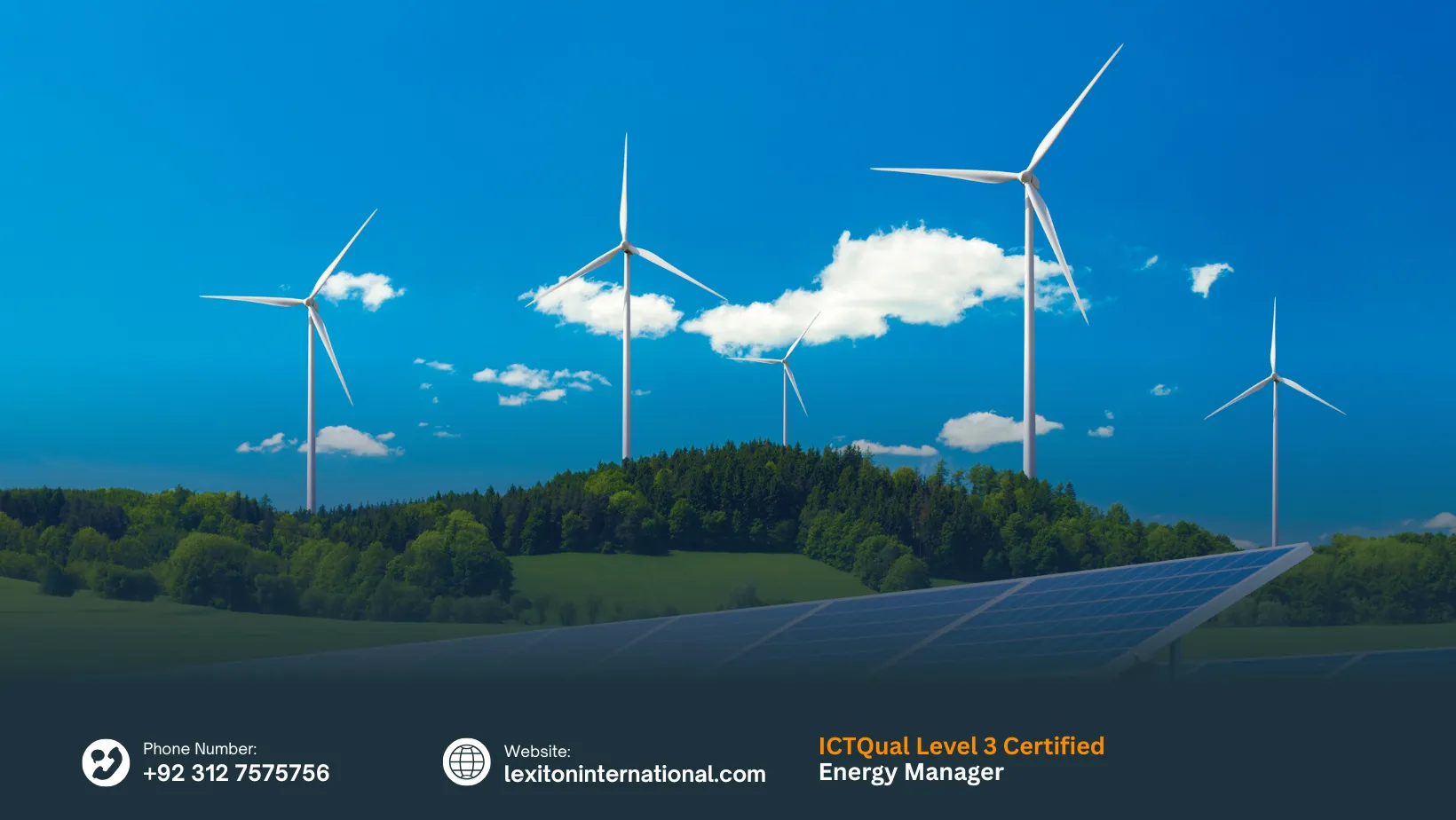
The ICTQual Level 3 Certified Energy Manager is a professionally focused certification designed to build practical knowledge of energy management, energy efficiency and sustainable energy practices. As organisations across the UK and globally seek to reduce energy consumption, control operational costs and improve environmental performance, skilled energy professionals are increasingly important. This course provides a structured foundation for understanding how energy is managed across commercial, industrial and organisational environments.
The programme develops practical understanding of energy monitoring, energy data analysis, utility management, energy assessments, measurement and verification, carbon reduction and energy performance. Learners also explore technical and operational energy management, energy-saving strategies, regulatory compliance, energy planning and the ISO 50001 energy management system. This combination helps learners understand how to identify energy-saving opportunities, monitor performance and contribute to effective energy management plans within organisations.
The ICTQual Level 3 Certified Energy Manager is relevant to learners and professionals working in energy management, facilities, engineering, sustainability and environmental operations. Its practical knowledge can be applied across manufacturing, commercial buildings, industrial facilities, construction, utilities and other energy-intensive sectors. Learners can develop capabilities relevant to energy monitoring, efficiency improvement, energy auditing, carbon management and sustainable resource use, supporting organisations in achieving measurable improvements in energy performance and operational efficiency.
- Age Requirement: Learners must be at least 16 years old at the time of enrolment for this course.
- Professional Experience: Previous experience in related field is highly desirable.
- Educational Background: A Level 2 qualification or an equivalent education is recommended.
- Language Proficiency: Learners must demonstrate strong English language proficiency.
Mandatory Units
Skills You Will Gain
Learning Outcomes for the ICTQual Level 3 Certified Energy Manager:
Introduction to Energy Management
- Understand the fundamental concepts, principles, and objectives of energy management across multiple sectors.
- Identify the importance of energy efficiency, conservation, and sustainable practices in reducing operational costs and environmental impact.
- Explore essential tools, techniques, and strategies used to monitor, control, and optimise energy usage within organisations.
- Recognise the responsibilities and roles of energy managers in promoting sustainable energy practices and driving organisational change.
- Develop awareness of global energy trends and their implications for businesses and industries.
Technical and Operational Energy Management
- Gain in-depth knowledge of energy systems, equipment, and technologies commonly used in industrial, commercial, and residential settings.
- Learn how to assess and optimise energy performance through technical upgrades, system improvements, and operational adjustments.
- Analyse energy consumption patterns to identify areas for efficiency improvements and cost savings.
- Develop practical skills in implementing energy-saving measures and monitoring energy usage to ensure ongoing performance improvement.
- Understand how operational decisions, maintenance routines, and behavioural practices can directly impact energy efficiency.
Energy Assessments, Measurements, and Verification
- Acquire practical skills in conducting energy audits, assessments, and site inspections to identify energy-saving opportunities.
- Learn accurate methods for measurement, data collection, and verification of energy performance improvements.
- Develop the ability to analyse and interpret energy data, identifying trends, inefficiencies, and areas for intervention.
- Gain experience in compiling detailed energy reports and presenting findings to stakeholders for informed decision-making.
- Understand how continuous monitoring and verification support long-term energy management strategies.
Regulatory and Legal Compliance and Carbon Management
- Understand the legislative and regulatory frameworks governing energy management and environmental compliance.
- Learn about carbon management strategies, emissions reduction techniques, and their role in corporate sustainability.
- Gain knowledge of relevant environmental laws, reporting standards, and compliance requirements across different regions.
- Develop practical skills to implement policies and strategies that ensure organisational adherence to energy and carbon regulations.
- Appreciate the impact of regulatory compliance on organisational reputation, financial performance, and sustainability goals.
Strategy and Planning in Energy Management
- Develop comprehensive energy management strategies and plans aligned with organisational objectives and operational needs.
- Learn to set measurable goals, targets, and KPIs for energy efficiency and sustainability initiatives.
- Understand the importance of engaging stakeholders, promoting collaboration, and fostering a culture of energy awareness.
- Acquire skills in resource allocation, budgeting, and project management to successfully implement energy initiatives.
- Evaluate the effectiveness of energy strategies and plans, making adjustments based on performance data and organisational feedback.
ISO 50001 Energy Management System
- Gain a detailed understanding of the ISO 50001 standard, its requirements, and its role in systematic energy management.
- Learn to design, implement, and maintain an ISO 50001-compliant energy management system tailored to organisational needs.
- Understand the tangible benefits of ISO 50001 certification, including improved energy performance, cost reductions, and regulatory compliance.
- Develop practical skills in conducting internal audits, managing documentation, and preparing for external certification audits.
- Explore continuous improvement methods to sustain energy efficiency and ensure the long-term success of the energy management system.
The ICTQual Level 3 Certified Energy Manager is recommended for learners seeking practical knowledge of energy management, energy efficiency and sustainable resource use. It is suitable for individuals working with energy, facilities, engineering, sustainability and operational activities.
Who Is This Course For
- Energy professionals managing energy use and efficiency.
- Facilities staff monitoring building energy performance.
- Engineers involved in energy systems and operations.
- Sustainability professionals supporting energy efficiency initiatives.
- Environmental staff working with resource and carbon management.
- Energy officers supporting energy monitoring and planning.
- Professionals involved in energy assessments and audits.
- Operations staff responsible for efficient resource utilisation.
- Renewable energy professionals seeking energy management knowledge.
- Supervisors supporting workplace energy-saving initiatives.
The ICTQual Level 3 Certified Energy Manager can support progression into practical energy management and sustainability responsibilities across different workplace environments. The certification develops knowledge applicable to energy efficiency, monitoring, auditing, carbon management and operational performance. It can complement existing experience in facilities, engineering, environmental and operational roles.
Future Progression
- Support energy monitoring and consumption management within organisations.
- Assist with energy assessments, audits and performance reviews.
- Contribute to energy efficiency and resource optimisation initiatives.
- Support sustainability and carbon-reduction programmes.
- Assist with implementing workplace energy management plans.
- Monitor energy data and identify potential efficiency improvements.
- Support facilities teams with building energy performance activities.
- Contribute to ISO 50001-related energy management practices.
- Assist renewable energy and sustainable energy initiatives.
- Develop practical experience in energy management and environmental performance.
Curious About This Course?