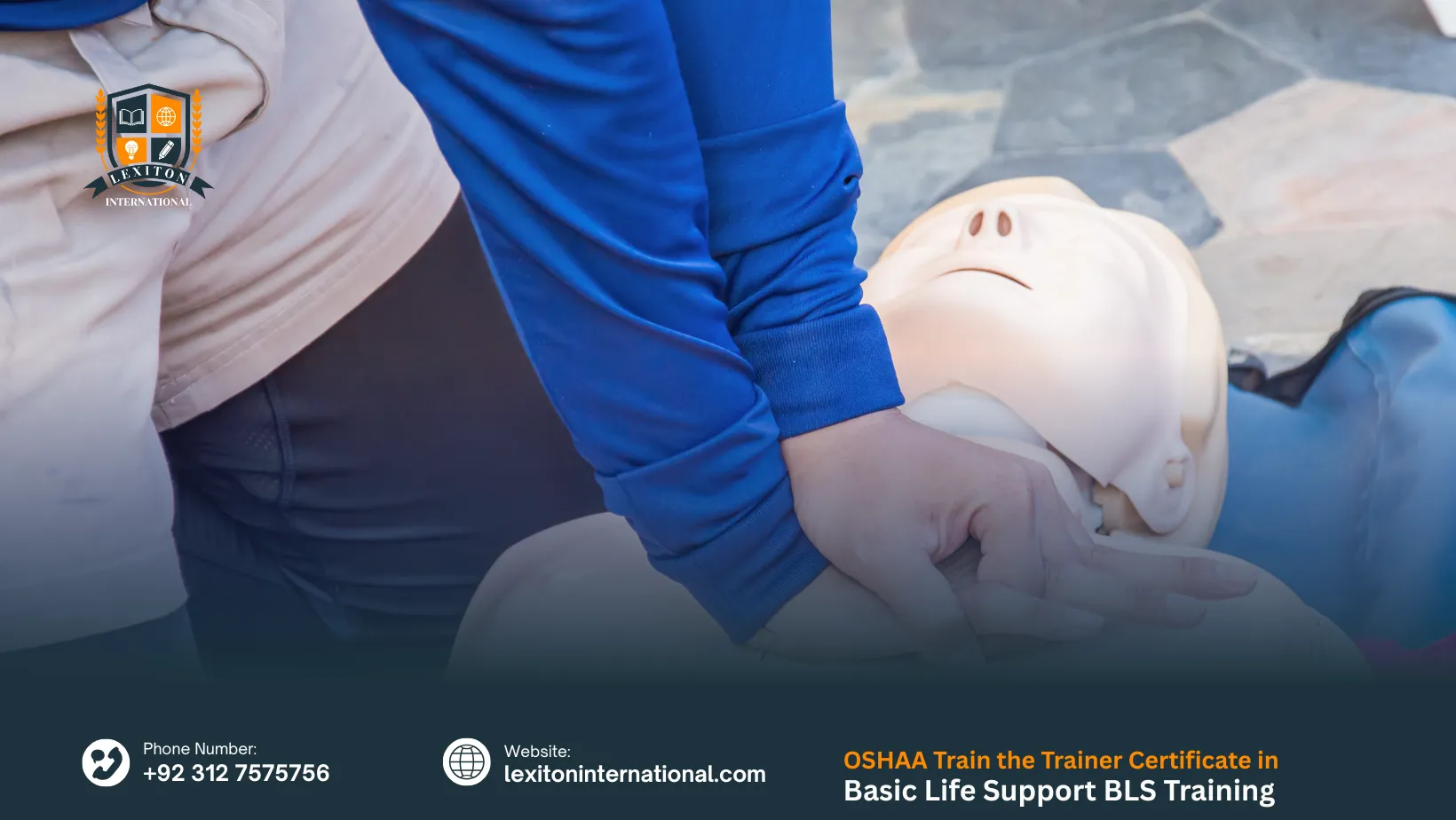
The OSHAA Train the Trainer Certificate in Basic Life Support (BLS) Training is a specialized program designed to prepare professionals to deliver effective and standardized BLS instruction across diverse settings. This course introduces participants to the essential principles of Basic Life Support, focusing on lifesaving interventions such as CPR, airway management, and emergency response. By combining technical knowledge with instructional skills, the program empowers learners to not only master BLS techniques but also to confidently train others, ensuring that lifesaving practices are widely disseminated and consistently applied.
The course overview emphasizes the dual focus on clinical competence and teaching methodology. Participants will gain a thorough understanding of BLS protocols, including adult, child, and infant resuscitation techniques, as well as the use of automated external defibrillators (AEDs). Alongside these technical skills, the program provides structured guidance on training delivery, classroom management, and effective communication strategies. Learners will engage in practical demonstrations, role plays, and scenario-based exercises that simulate real-life emergencies, enabling them to build confidence in both performing and teaching BLS procedures.
Additionally, the course highlights the importance of leadership and accountability in training environments. Participants will learn how to design lesson plans, assess learner performance, and provide constructive feedback to ensure competency among trainees. The program also addresses the ethical responsibilities of trainers, emphasizing the role of BLS education in promoting workplace safety, community resilience, and organizational preparedness. By the end of the course, graduates will be equipped to serve as certified trainers who can deliver impactful BLS instruction, fostering a culture of safety and readiness in their organizations and communities.
To ensure participants are well-prepared for the OSHAA Train the Trainer Certificate in Basic Life Support (BLS) Training, the following entry requirements must be met:
- Age Requirements: Candidates must be at least 21 years old to enroll in the program.
- Qualification Requirements: A minimum of a diploma or bachelor’s degree in any discipline is required.
- Professional Experience: At least one to two years of work experience in healthcare, safety, or training-related fields is preferred.
- Educational Background: Prior exposure to health sciences, safety practices, or organizational training is beneficial.
- Language Proficiency: Learners should have a good command of English to understand course materials and deliver training effectively.
- Technical Skills: Basic computer literacy is required for accessing digital resources, preparing presentations, and managing training materials.
Mandatory Units
The Learning Outcomes of the OSHAA Train the Trainer Certificate in Basic Life Support (BLS) Training are designed to provide participants with advanced skills, compliance-focused knowledge, and the leadership abilities required to teach and promote life-saving practices. This course equips learners with the technical expertise to perform Basic Life Support effectively while also preparing them to deliver training sessions that meet OSHA and international safety standards.
Introduction to Basic Life Support (BLS)
- Understand the fundamental principles, objectives, and scope of Basic Life Support in emergency response.
- Develop awareness of the critical role BLS plays in reducing fatalities during life-threatening incidents.
- Gain the ability to recognize medical emergencies that demand immediate intervention.
- Acquire foundational knowledge to build advanced life-saving competencies and confidence.
- Appreciate the importance of BLS as a cornerstone of workplace and community safety.
Understanding the BLS Chain of Survival
- Learn the sequential steps of the BLS Chain of Survival and their significance in saving lives.
- Understand how rapid recognition and activation of emergency response systems reduce mortality rates.
- Analyze how early CPR, defibrillation, and advanced care link together for effective outcomes.
- Apply the BLS Chain of Survival in simulated and real-world training scenarios.
- Strengthen the ability to teach others the importance of timely intervention in emergencies.
CPR Techniques for Adults, Children, and Infants
- Perform high-quality cardiopulmonary resuscitation (CPR) tailored to different age groups.
- Understand variations in technique for chest compressions and rescue breaths across age categories.
- Demonstrate correct hand positioning, compression depth, and ventilation rates.
- Build confidence in delivering CPR during both simulated and real-life emergencies.
- Train others to adapt CPR techniques effectively to diverse emergency situations.
Use of Automated External Defibrillators (AED)
- Develop proficiency in the safe and effective use of Automated External Defibrillators.
- Understand AED functions, prompts, and troubleshooting during emergencies.
- Integrate AED usage seamlessly into CPR for optimal survival outcomes.
- Train learners to confidently use AEDs in compliance with OSHA and international standards.
- Promote awareness of AED accessibility and its role in community safety.
Choking Management and Airway Obstruction Techniques
- Identify the signs of partial and complete airway obstruction in adults, children, and infants.
- Apply effective intervention techniques to relieve choking incidents quickly and safely.
- Gain the ability to act decisively in airway emergencies to prevent fatalities.
- Teach others how to recognize, prevent, and respond to choking situations.
- Reinforce the importance of airway management as a critical life-saving skill.
Basic First Aid for Life-Threatening Emergencies
- Provide immediate care for conditions such as cardiac arrest, shock, and severe bleeding.
- Understand the principles of stabilizing patients before professional medical help arrives.
- Demonstrate integration of first aid techniques with BLS protocols for effective outcomes.
- Train learners to apply first aid in compliance with recognized safety standards.
- Build confidence in managing emergencies with a structured, safety-focused approach.
Teaching Methodologies and Delivery of BLS Training
- Master instructional strategies for delivering engaging and effective BLS training sessions.
- Develop strong communication, demonstration, and learner engagement skills.
- Apply adult learning principles to enhance knowledge transfer and retention.
- Gain confidence in evaluating learners’ performance and providing constructive feedback.
- Learn to design lesson plans and training materials that meet compliance standards.
Legal, Ethical, and Professional Responsibilities of BLS Trainers
- Understand the legal and ethical responsibilities associated with being a BLS trainer.
- Learn to uphold professional standards while delivering compliant training programs.
- Gain awareness of liability considerations and documentation requirements.
- Promote a culture of safety, accountability, and ethical decision-making in every session.
- Reinforce the trainer’s role as a leader in fostering trust and compliance.
The ideal learner for the OSHAA Train the Trainer Certificate in Basic Life Support (BLS) Training is someone who demonstrates a strong commitment to safety, a passion for teaching, and the ability to act decisively in emergencies. This program is designed for individuals who aspire to become effective trainers and leaders in life-saving practices.
Professional Background
- Healthcare workers, safety officers, and first responders seeking to expand their training capabilities
- Professionals in education, corporate safety, or community health programs
- Supervisors and managers responsible for workplace safety and emergency preparedness
- Trainers and consultants aiming to deliver certified BLS programs
- Individuals engaged in roles where emergency response is a critical responsibility
Educational Foundation
- Learners with a diploma or bachelor’s degree in any discipline
- Those with prior exposure to health sciences, safety practices, or organizational training
- Candidates with basic knowledge of first aid or emergency response protocols
- Individuals motivated to enhance their instructional and technical expertise
- Learners who value structured, evidence-based approaches to safety education
Skills and Competencies
- Strong communication and presentation skills for effective training delivery
- Ability to interpret and apply BLS protocols in practical contexts
- Confidence in demonstrating CPR, AED use, and airway management techniques
- Analytical skills to assess learner performance and provide constructive feedback
- Commitment to ethical practices and professional integrity in training environments
Career Aspirations
- Professionals aiming to become certified BLS trainers or instructors
- Individuals seeking career advancement in safety, healthcare, or compliance roles
- Learners aspiring to leadership positions in emergency preparedness and training
- Those interested in consultancy or independent training services
- Employees motivated to contribute to organizational safety culture and resilience
Personal Attributes
- Detail-oriented and methodical in approach to training and safety
- Open to learning and adapting to international standards and OSHA practices
- Motivated to foster a culture of continual improvement and readiness
- Resilient in handling challenges during training and emergency simulations
- Dedicated to promoting workplace and community safety through education
The ideal learner for this course is someone who combines professional ambition with a passion for teaching life-saving skills, positioning themselves as a trusted leader in safety and emergency preparedness.
The OSHAA Train the Trainer Certificate in Basic Life Support (BLS) Training opens pathways for learners to advance their careers, broaden their expertise, and contribute to organizational and community safety. Successful completion of this program provides opportunities for professional growth, specialization, and leadership roles.
Career Advancement
- Progression into senior safety and training positions within organizations
- Opportunities to lead workplace safety initiatives and emergency response programs
- Eligibility for consultancy roles in safety and compliance training
- Enhanced credibility for leadership roles in healthcare and corporate safety
- Recognition as a trusted professional in life-saving education
Specialized Training
- Access to advanced courses in occupational safety and health training
- Opportunities to specialize in pediatric, advanced cardiac life support, or trauma care training
- Training in integrated emergency response systems and disaster preparedness
- Access to advanced courses in health and safety education
- Expansion into specialized certifications for workplace compliance and safety audits
Industry Opportunities
- Employment in hospitals, clinics, and healthcare institutions
- Roles in corporate training departments and safety divisions
- Opportunities in educational institutions and community health programs
- Consultancy for organizations seeking OSHA-compliant safety training
- Engagement in projects promoting public health and emergency readiness
Professional Recognition
- Enhanced credibility as a certified BLS trainer and instructor
- Recognition by employers, peers, and industry associations
- Opportunities to join professional networks and safety organizations
- Increased visibility in the training and compliance community
- Strengthened reputation as a leader in safety and emergency education
Long-Term Growth
- Pathways to senior leadership and executive roles in safety and compliance
- Opportunities to mentor and train future BLS instructors
- Expansion into international consultancy and advisory services
- Contribution to organizational strategies for safety and preparedness
- Establishment as a thought leader in life-saving practices and training methodologies
The future progression of this course empowers learners to advance professionally, specialize further, and establish themselves as influential leaders in safety training, compliance, and emergency preparedness.
Curious About This Course?