
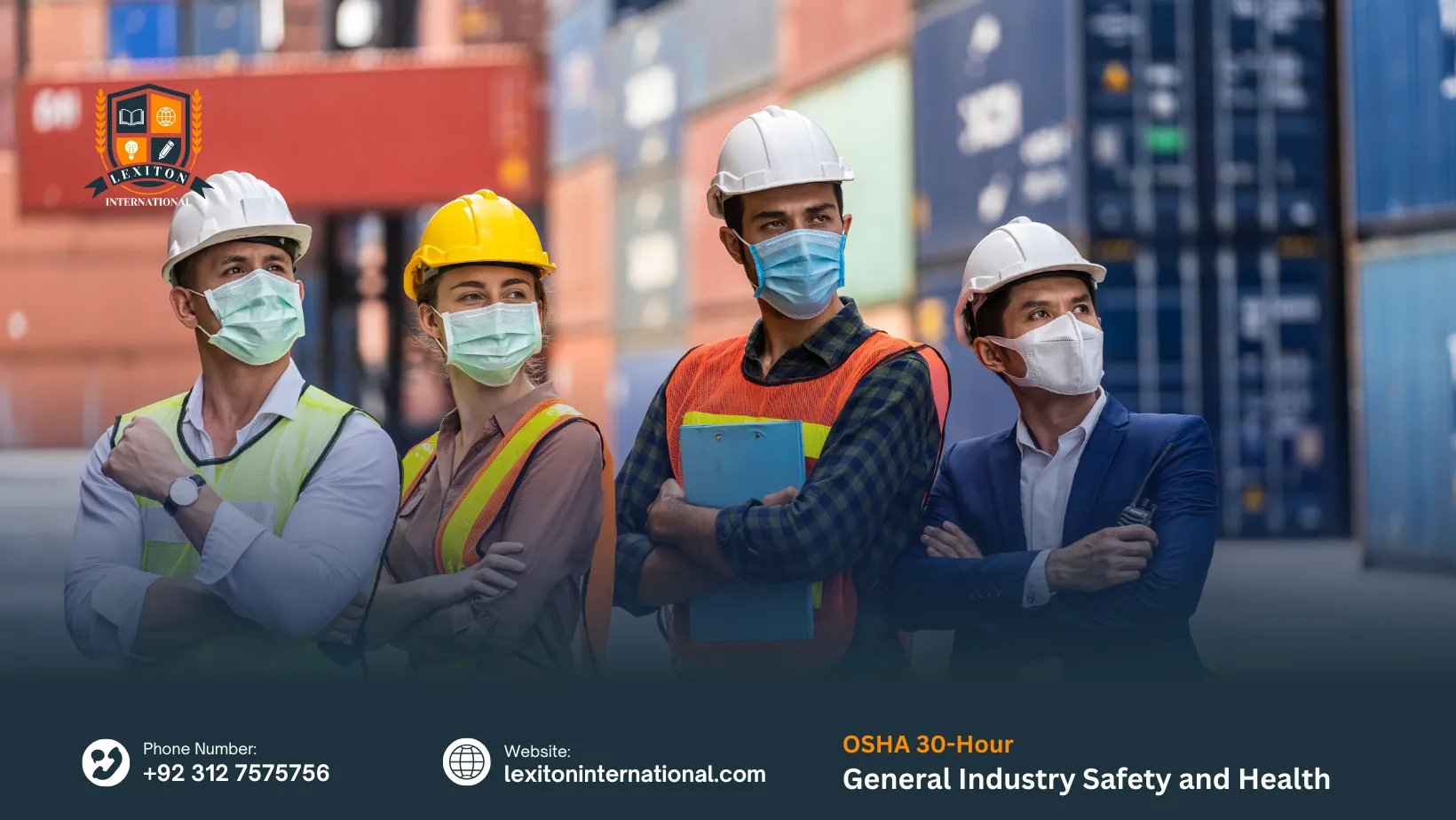
The OSHA 30-Hour General Industry Safety and Health course is an advanced training program designed to equip participants with comprehensive knowledge of occupational safety and health practices in general industry settings. This course focuses on promoting a safe and healthy work environment by providing learners with the skills to identify workplace hazards, implement effective safety measures, and comply with federal OSHA regulations. It is suitable for supervisors, safety officers, and employees responsible for maintaining workplace safety.
Throughout the course, learners will explore key topics such as hazard recognition, accident prevention, emergency response planning, hazard communication, ergonomics, and industrial health standards. Emphasis is placed on understanding regulatory requirements, developing safety programs, and fostering a culture of safety awareness within organizations. Participants also gain practical skills in conducting inspections, evaluating risk, and implementing corrective actions to minimize workplace injuries and illnesses.
Upon completion, learners will be prepared to take a leadership role in workplace safety, ensuring compliance with OSHA standards while enhancing overall operational safety. The course empowers participants to create safer work environments, reduce workplace incidents, and improve productivity by integrating effective health and safety practices. This qualification is ideal for safety professionals, supervisors, and managers who are committed to advancing their expertise in occupational safety and health management.
- Age Requirement: Learners are generally expected to be 18 years or older to ensure maturity for understanding workplace safety responsibilities.
- Educational Background: No formal academic qualifications are required, although basic secondary education is helpful for understanding safety concepts and training materials.
- Professional Experience: No prior work experience in safety is required, but individuals working in industrial, manufacturing, or general workplace environments will benefit most
- Language Proficiency: Learners should have basic English reading, writing, listening, and speaking skills to understand safety instructions and complete assessments effectively.
Mandatory Units
Skills You Will Gain
The OSHA 30-Hour General Industry Safety and Health course equips learners with advanced knowledge and practical skills to identify hazards, manage risks, and ensure compliance with OSHA standards in general industry workplaces. The learning outcomes for each topic are as follows:
Introduction to OSHA
- Understand the purpose, scope, and history of OSHA
- Explain OSHA’s role in workplace safety and compliance
- Identify worker rights and employer responsibilities under OSHA standards
- Recognize OSHA regulations relevant to general industry
- Apply basic OSHA principles to maintain a safe workplace
Hazard Recognition and Risk Assessment
- Identify common workplace hazards in general industry settings
- Conduct basic risk assessments and prioritize hazards
- Develop strategies to control and mitigate workplace risks
- Understand the hierarchy of controls in hazard management
- Promote proactive hazard recognition and prevention
Health Hazards in General Industry
- Recognize biological, chemical, and physical health hazards
- Understand occupational illnesses and exposure limits
- Implement measures to prevent work-related health issues
- Identify workplace practices that minimize health risks
- Promote employee wellness and occupational health awareness
Emergency Preparedness and Response
- Understand the components of an effective emergency plan
- Identify types of workplace emergencies and appropriate responses
- Develop evacuation procedures and emergency communication protocols
- Implement first-aid and incident reporting practices
- Evaluate and improve emergency preparedness programs
Safety Management Systems
- Understand the elements of a safety management system
- Develop policies and procedures to enhance workplace safety
- Monitor and evaluate safety performance indicators
- Promote safety culture and employee engagement
- Integrate safety management into daily operational practices
Electrical Safety
- Identify electrical hazards in the workplace
- Apply safe work practices for electrical systems and equipment
- Understand lockout/tagout procedures for electrical safety
- Implement preventive measures to reduce electrical accidents
- Promote awareness of electrical safety standards and regulations
Machine Guarding and Safety
- Identify hazards associated with machinery and equipment
- Apply machine guarding techniques to prevent injuries
- Implement safe operating procedures for industrial equipment
- Conduct inspections to ensure machinery safety compliance
- Promote employee training and awareness on machine safety
Fall Protection
- Understand types of fall hazards in the workplace
- Apply fall protection systems and personal protective equipment
- Conduct risk assessments for working at heights
- Develop fall prevention policies and emergency procedures
- Promote training and supervision for safe work practices at heights
Material Handling and Ergonomics
- Identify risks associated with manual material handling
- Apply ergonomic principles to reduce musculoskeletal injuries
- Implement safe lifting, pushing, and pulling techniques
- Use mechanical aids and equipment for material handling
- Promote workplace ergonomics and employee education
Hazard Communication
- Understand OSHA hazard communication standards (HazCom)
- Identify chemical hazards and labeling requirements
- Implement safety data sheets (SDS) for hazardous materials
- Train employees on chemical hazard awareness and safe handling
- Maintain compliance with workplace chemical safety regulations
Confined Space Entry
- Recognize hazards associated with confined spaces
- Apply entry permit procedures and safety protocols
- Use monitoring and protective equipment for confined space work
- Implement emergency rescue procedures
- Promote awareness of confined space regulations and compliance
Industrial Hygiene and Environmental Health
- Understand industrial hygiene principles and workplace environmental hazards
- Identify chemical, physical, and biological agents affecting health
- Implement control measures to reduce exposure risks
- Conduct workplace monitoring and health assessments
- Promote occupational health and environmental safety practices
Fire Protection and Prevention
- Identify fire hazards in the workplace
- Apply fire prevention strategies and emergency response measures
- Understand the use of fire extinguishers and suppression systems
- Develop evacuation plans and drills
- Promote employee awareness of fire safety procedures
Workplace Violence and Security
- Recognize types and causes of workplace violence
- Implement preventive measures to minimize risks
- Develop reporting and response procedures for incidents
- Promote employee awareness and security practices
- Evaluate workplace safety programs related to violence prevention
Legal and Ethical Considerations
- Understand the legal framework governing occupational safety
- Identify employer and employee responsibilities under OSHA law
- Recognize ethical considerations in workplace safety decisions
- Apply principles of compliance and accountability
- Promote ethical behavior and integrity in safety management
The OSHA 30-Hour General Industry Safety and Health course is designed for individuals who want to strengthen their knowledge of workplace safety, hazard prevention, and OSHA compliance in industrial environments. It is suitable for both beginners and experienced professionals responsible for maintaining safe working conditions.
Who Is This Course For
- Supervisors and managers responsible for team safety and OSHA compliance in industrial settings
- Safety officers and health professionals managing risk assessments and workplace hazards
- Industrial and manufacturing workers exposed to machinery, chemicals, or operational risks
- Employees aiming to improve hazard awareness and reduce workplace incidents
- Aspiring safety leaders seeking roles in occupational health and safety management
- Career changers entering industrial, manufacturing, or safety-related fields
- Warehouse, factory, and production staff working in general industry environments
- Individuals involved in incident reporting, inspections, and safety monitoring tasks
- Professionals aiming to build strong OSHA knowledge for workplace application
- Learners committed to improving safety culture and reducing operational risks
The OSHA 30-Hour General Industry Safety and Health course provides strong career development opportunities in workplace safety, risk management, and compliance roles across industrial sectors. It helps learners build advanced safety awareness and practical skills required in high-responsibility environments.
Future Progression
- Move into Safety Officer, Safety Supervisor, or Health and Safety Coordinator roles
- Work in manufacturing, warehousing, construction, and industrial environments
- Conduct workplace inspections, audits, and hazard assessments
- Support compliance with OSHA standards and internal safety policies
- Lead accident prevention and workplace risk reduction activities
- Take responsibility for emergency response planning and safety procedures
- Improve workplace safety culture through training and awareness programs
- Assist in incident reporting, investigation, and corrective action planning
- Develop leadership skills for managing safety operations and teams
- Strengthen professional credibility in occupational health and safety roles
Curious About This Course?