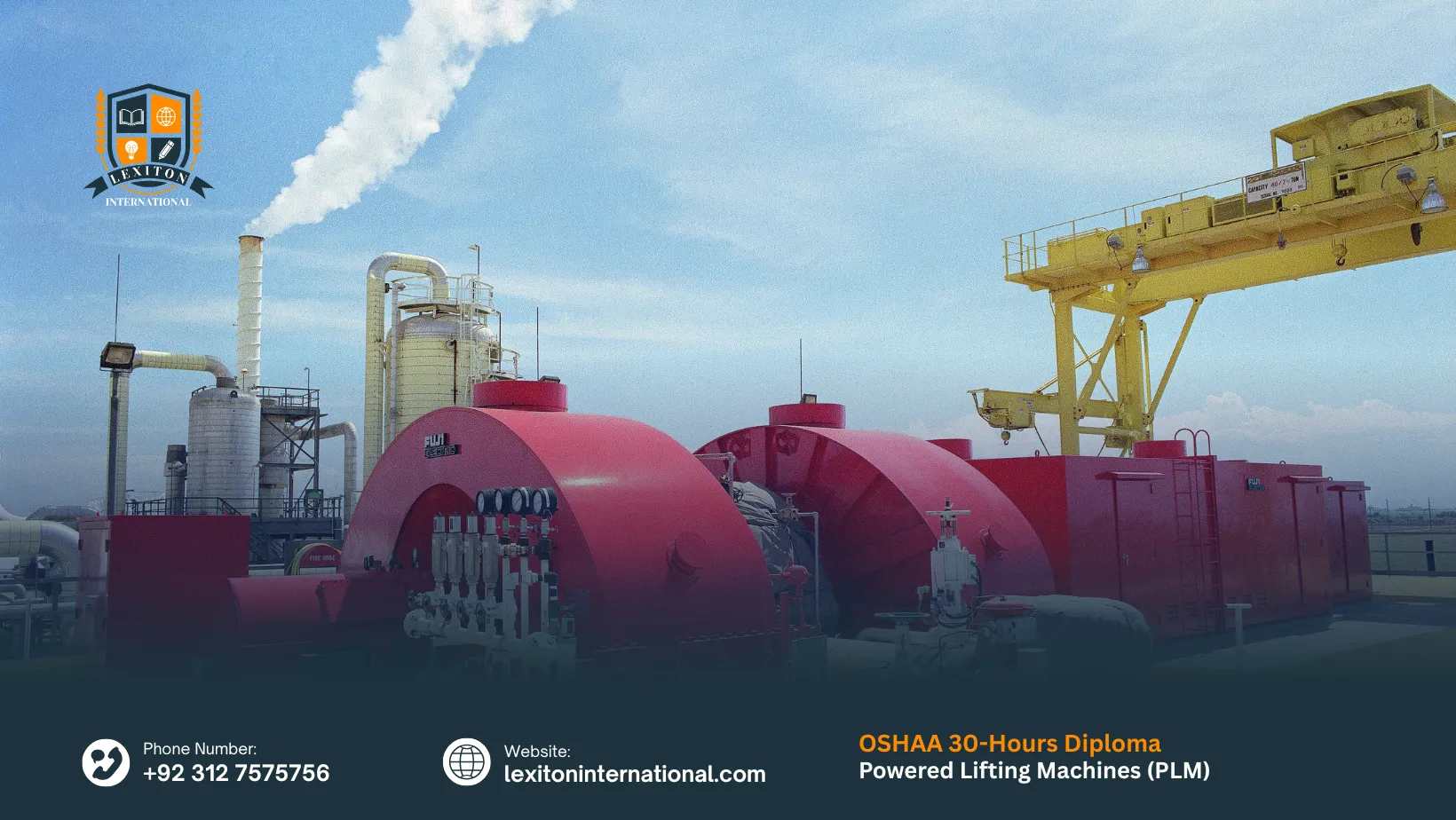
The OSHAA 30-Hours Diploma in Powered Lifting Machines (PLM) is a US-aligned professional qualification designed to develop essential knowledge and practical understanding of powered lifting equipment used in construction, engineering, and industrial environments. This course is ideal for individuals working in high-risk sectors where the safe operation of lifting machinery is critical to workplace safety and operational efficiency.
The programme covers key areas such as types of powered lifting machines, safe operating procedures, load handling techniques, risk assessment, equipment inspection, and compliance with international safety standards. Learners will gain a clear understanding of how to operate lifting machinery safely and effectively while minimizing workplace hazards. The course also emphasizes the importance of safety regulations, operational controls, and best practices in lifting operations.
This qualification is suitable for machine operators, construction workers, site supervisors, logistics personnel, and industrial safety professionals. The OSHAA 30-Hours Diploma in Powered Lifting Machines (PLM) enhances career prospects in construction, manufacturing, logistics, and engineering sectors. It equips learners with the technical knowledge and safety awareness required to operate powered lifting equipment confidently, supporting professional development in both USA and international industrial environments.
- Minimum Age:Learners must be at least 18 years old at the time of enrolment.
- Educational Background:A minimum of secondary school education (GCSE or equivalent) is recommended.
- Language Proficiency:Learners should have a good command of English.
- Work Experience:No formal work experience is required.
Mandatory Units
Skills You Will Gain
Introduction to OSHAA and Powered Lifting Safety Regulations (2 Hours)
- Understand the role of OSHAA in industrial safety
- Identify key international standards and regulations for powered lifting machines
- Recognize employer and employee responsibilities under safety guidelines
Types and Functions of Powered Lifting Machines (3 Hours)
- Classify different types of powered lifting equipment such as cranes, hoists, and forklifts
- Explain the specific applications and operational functions of each type
- Select appropriate lifting machines based on job requirements
Load Capacity Assessment and Equipment Selection (4 Hours)
- Perform accurate load calculations based on material weight and distribution
- Understand load charts and machine limitations
- Choose the right equipment for safe and effective lifting operations
Safe Operation Techniques for Cranes, Forklifts, and Hoists (4 Hours)
- Apply standard operating procedures for powered lifting machines
- Demonstrate safe movement and positioning of loads
- Minimize common operational errors through correct handling practices
Mechanical and Electrical Safety in Lifting Operations (3 Hours)
- Identify potential mechanical and electrical hazards during lifting activities
- Implement proper lockout/tagout procedures
- Ensure compliance with machine safety protocols and inspection routines
Pre-Use Inspection and Preventive Maintenance Procedures (3 Hours)
- Conduct pre-use inspections to detect faults or wear
- Schedule and implement preventive maintenance routines
- Maintain equipment records for safety compliance
Hazard Identification and Risk Assessment for Powered Lifting (3 Hours)
- Identify workplace hazards specific to powered lifting tasks
- Conduct structured risk assessments using approved methods
- Recommend appropriate control measures to mitigate risks
Rigging and Load Securing Techniques for Powered Lifts (3 Hours)
- Apply proper rigging practices and sling configurations
- Secure loads correctly to prevent shifting or imbalance
- Understand the importance of center of gravity and load distribution
Communication, Signaling, and Team Coordination During Lifts (3 Hours)
- Use standard hand signals and communication tools effectively
- Collaborate with spotters and lifting teams for smooth operations
- Avoid miscommunication and confusion during critical tasks
Emergency Response, Incident Management, and Final Review (2 Hours)
- Respond appropriately to powered lifting emergencies
- Document and report lifting-related incidents as per protocol
- Review key course concepts in preparation for final assessmen
The OSHAA 30-Hours Diploma in Powered Lifting Machines (PLM) is designed for individuals working in or aspiring to join industries where lifting machinery is used for material handling and operations. It is ideal for learners who want to develop safe operational skills, improve machinery handling knowledge, and enhance workplace safety awareness in line with UK standards.
Who Is This Course For
- Construction workers involved in material lifting and site operations
- Warehouse and logistics staff handling powered lifting equipment
- Machine operators working with cranes, hoists, and lifting devices
- Site supervisors responsible for lifting operations and safety compliance
- Industrial workers in manufacturing and production environments
- Health and safety officers overseeing equipment safety and risk control
- Entry-level learners aiming to start a career in machinery operations
- Maintenance staff responsible for inspecting and servicing lifting machines
The OSHAA 30-Hours Diploma in Powered Lifting Machines (PLM) provides a strong foundation in safe machinery operation and lifting equipment management. Upon completion, learners can progress to industrial safety, mechanical engineering, and construction management, enhancing their technical expertise and career development in equipment handling and workplace safety.
Future Progression
- Advancement into supervisory roles in construction, logistics, and manufacturing operations
- Opportunities in lifting equipment inspection and machinery safety compliance roles
- Career development into plant operator or site operations coordinator positions
- Pathway to specialised certifications in crane operation and lifting equipment safety
- Eligibility for roles in warehouse management and industrial logistics supervision
- Progression into leadership positions within construction and industrial sectors
- Strong foundation for further professional development in global machinery safety standards
Curious About This Course?