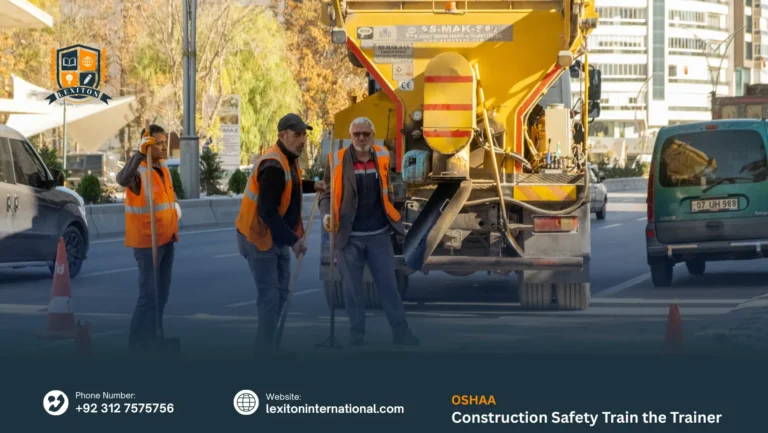

The OSHA 48-Hour Construction Safety and Health course is designed to provide learners with a strong and practical foundation in essential construction safety principles, OSHA regulations, and hazard prevention strategies. This program is ideal for individuals who want to strengthen their understanding of workplace risks, improve compliance awareness, and develop the skills required to maintain safe and efficient construction environments. Through a structured curriculum and real-world learning approach, participants gain the confidence to identify hazards, implement safety controls, and contribute meaningfully to a safer workforce across diverse construction settings.
This course offers a detailed overview of key construction safety topics, including fall protection, electrical safety, excavation hazards, personal protective equipment, and emergency response procedures. Learners explore how OSHA standards apply to real construction scenarios and develop the ability to interpret and implement regulatory requirements effectively. The curriculum emphasizes practical application through case studies, scenario-based exercises, and hazard recognition activities that mirror real job-site challenges. By understanding how accidents occur and how they can be prevented, participants build the capability to make informed decisions that protect workers and reduce operational risks.
Beyond technical safety knowledge, the course focuses on developing strong communication, leadership, and problem-solving skills essential for managing safety on active construction sites. Learners are guided through risk assessment techniques, incident reporting processes, and safety planning strategies that support effective coordination among workers, supervisors, and management. The program also highlights the importance of teamwork, accountability, and continuous improvement in achieving long-term safety excellence. By the end of the course, participants are well-prepared to support construction safety initiatives and contribute to a safer, more compliant work environment.
A solid foundation is essential for learners to fully benefit from the OSHA 48-Hour Construction Safety and Health course. The following entry requirements ensure that participants are prepared to engage with the course content and apply it effectively in real construction environments.
- Age Requirement: Applicants must be at least 18 years old to ensure maturity, responsibility, and readiness for professional-level construction safety training.
- Qualification Requirement: A basic secondary school qualification or equivalent is required, demonstrating the ability to understand technical concepts and safety-related instructions.
- Professional Experience: Prior exposure to construction, maintenance, or industrial work is preferred, helping learners connect course content with practical job-site situations.
- Educational Background: A general background in technical, vocational, or trade-related fields is beneficial for understanding construction processes and safety requirements.
- Language Proficiency: Participants should have a good command of English to interpret safety standards, communicate effectively, and complete course assessments.
- Technical Readiness: Applicants must be comfortable using digital tools and learning platforms, as the course may include online modules, presentations, and interactive resources.
Mandatory Units
The learning outcomes of the OSHA 48-Hour Construction Safety and Health course are designed to build strong foundational skills in construction safety, hazard control, and regulatory awareness. Each unit strengthens the learner’s ability to recognize risks, implement preventive measures, and support a safer, more compliant construction environment. The expanded outcomes below reflect the essential competencies participants will develop throughout the program.
1. Introduction to Construction Safety and Health
- Understand the importance of construction safety and how it directly impacts worker protection, productivity, and project success.
- Learn the basic principles of OSHA regulations, including their purpose, structure, and application in construction settings.
- Recognize common safety hazards such as falls, electrical risks, struck-by incidents, and chemical exposures.
- Develop awareness of employer and worker responsibilities in maintaining safe job sites.
- Build a foundational understanding of how safety programs reduce incidents and support compliance.
2. Hazard Assessment and Risk Management
- Identify potential hazards across various construction activities, equipment, and work environments.
- Conduct structured risk assessments to evaluate severity, likelihood, and potential impact.
- Prioritize safety measures based on risk levels to ensure effective hazard control.
- Implement risk management strategies such as engineering controls, administrative controls, and safe work practices.
- Strengthen decision-making skills for responding to changing site conditions and emerging risks.
3. Personal Protective Equipment (PPE)
- Understand the types, functions, and limitations of PPE used in construction, including helmets, gloves, eyewear, and respiratory protection.
- Select appropriate PPE based on hazard assessments and specific job tasks.
- Ensure proper use, fit, maintenance, and storage of PPE to maximize worker protection.
- Train workers on PPE requirements and reinforce consistent compliance.
- Integrate PPE into broader safety procedures to support comprehensive hazard control.
4. Site Security and Access Control
- Develop and implement site security protocols to control entry and exit points effectively.
- Understand the importance of maintaining secure construction sites to protect workers, equipment, and materials.
- Learn methods for preventing unauthorized access, theft, and potential threats.
- Establish communication procedures for reporting suspicious activity or security breaches.
- Strengthen coordination among supervisors, workers, and security personnel.
5. Emergency Preparedness
- Develop comprehensive emergency action plans tailored to construction site hazards and layouts.
- Conduct emergency drills and training sessions to ensure workers understand their roles and responsibilities.
- Learn to coordinate effectively with emergency response teams, medical services, and local authorities.
- Establish communication systems for rapid response during emergencies.
- Evaluate emergency procedures regularly to improve readiness and effectiveness.
6. Tool and Equipment Safety
- Identify safety protocols for using hand tools, power tools, and heavy construction equipment.
- Implement regular inspection and maintenance schedules to prevent equipment failures.
- Train workers on safe operation techniques and hazard awareness related to tools and machinery.
- Recognize signs of equipment malfunction and take corrective action promptly.
- Promote safe storage, handling, and transportation of tools and equipment.
7. Fall Protection
- Understand OSHA standards and requirements for fall protection in construction environments.
- Identify potential fall hazards such as unprotected edges, scaffolds, ladders, and elevated platforms.
- Implement appropriate control measures including guardrails, harnesses, and fall arrest systems.
- Train workers on proper use, inspection, and maintenance of fall protection equipment.
- Monitor work-at-height activities to ensure ongoing compliance and safety.
8. Health Monitoring and Worker Well-Being
- Develop programs to monitor worker health, including fatigue, heat stress, and exposure to harmful substances.
- Identify occupational health risks and implement preventive measures to reduce long-term health issues.
- Promote worker well-being through ergonomic practices, hydration programs, and rest schedules.
- Encourage early reporting of symptoms to prevent escalation of health concerns.
- Support a culture that values physical and mental well-being.
9. Daily Safety Meetings and Continuous Improvement
- Conduct effective daily safety meetings to address ongoing hazards, updates, and work plans.
- Encourage worker participation, feedback, and open communication during safety discussions.
- Identify recurring issues and implement corrective actions to prevent future incidents.
- Promote continuous improvement by reviewing safety performance and updating procedures.
- Strengthen team engagement and shared responsibility for safety.
10. Leveraging Technology for Safety
- Identify modern technologies such as drones, sensors, and mobile apps that enhance construction safety.
- Understand the benefits of using digital tools for inspections, reporting, and hazard tracking.
- Implement data-driven approaches to monitor safety performance and identify trends.
- Utilize software to streamline documentation, training, and compliance management.
- Promote innovation to improve efficiency and reduce risks on construction sites.
By completing the OSHA 48-Hour Construction Safety and Health course, learners gain the essential knowledge, practical skills, and confidence needed to support safer construction operations and contribute to a strong culture of protection and compliance across all job sites.
The OSHA 48-Hour Construction Safety and Health course is designed for individuals who want to strengthen their understanding of construction safety, improve compliance awareness, and develop the practical skills needed to manage hazards effectively. The ideal learner is someone who values responsibility, teamwork, and continuous improvement in construction environments.
Construction Safety Assistants and Coordinators
- Individuals who support safety officers and want to build stronger foundational safety knowledge
- Those responsible for monitoring basic site safety practices and reporting hazards
- Learners seeking to understand OSHA requirements and apply them in daily operations
- Workers aiming to develop confidence in identifying risks and recommending controls
- Individuals preparing for more advanced safety responsibilities in the future
Site Supervisors, Foremen, and Team Leaders
- Personnel overseeing daily construction tasks and worker performance
- Leaders who must communicate safety expectations and enforce safe work practices
- Individuals responsible for coordinating teams and managing high-risk activities
- Supervisors seeking to strengthen their hazard recognition and problem-solving skills
- Those aiming to improve their ability to respond to incidents and emergencies
Construction Workers and Skilled Trades Personnel
- Workers involved in hands-on construction tasks such as carpentry, masonry, electrical work, or equipment operation
- Individuals seeking to improve their understanding of safe work procedures and hazard controls
- Tradespeople who want to enhance their safety awareness and reduce personal risk
- Employees aiming to contribute more effectively to site safety initiatives
- Those who want to build a strong safety mindset for long-term career growth
New Entrants to the Construction Industry
- Individuals with limited experience who want to learn essential safety principles
- Learners seeking a structured introduction to OSHA standards and construction hazards
- Those preparing for entry-level roles in construction safety or site operations
- Individuals aiming to build confidence before working on active job sites
- People motivated to start their construction careers with strong safety foundations
Engineers, Inspectors, and Technical Staff
- Individuals involved in planning, designing, or evaluating construction projects
- Engineers seeking to integrate safety considerations into project workflows
- Inspectors who must verify compliance with safety standards and site requirements
- Technical staff responsible for equipment safety, quality control, or site assessments
- Learners aiming to strengthen their ability to identify and mitigate technical hazards
Individuals Seeking Career Growth in Construction Safety
- Learners aiming to build a foundation for advanced safety certifications and diplomas
- Individuals who want to enhance their credibility in the construction industry
- Those seeking to transition into safety-focused roles or expand their responsibilities
- Professionals motivated to support safer, more compliant construction operations
- Individuals committed to long-term development in safety management
By completing this course, learners position themselves to become more confident, capable, and safety-focused contributors to construction operations.
Completing the OSHA 48-Hour Construction Safety and Health course opens multiple pathways for professional advancement, expanded responsibilities, and specialized safety qualifications. Learners can continue strengthening their expertise through advanced diplomas, certifications, and industry-specific safety programs.
Advanced Construction Safety Certifications
- Certifications focused on hazard analysis, risk management, and OSHA compliance
- Programs that deepen understanding of construction-specific safety requirements
- Credentials that enhance the ability to conduct inspections and safety evaluations
- Certifications supporting roles in safety supervision and field leadership
- Qualifications that strengthen credibility in high-risk construction environments
Specialized Industry Safety Diplomas
- Diplomas tailored to construction, oil and gas, heavy equipment, and industrial operations
- Programs that expand knowledge of sector-specific hazards and control measures
- Diplomas that support roles in specialized safety supervision and coordination
- Qualifications that enhance technical understanding of complex construction processes
- Courses that prepare learners for advanced responsibilities in safety management
Trainer-Level and Instructional Certifications
- Certifications that develop skills in designing and delivering safety training
- Programs focused on adult learning principles and effective instruction
- Qualifications supporting roles as safety trainers or facilitators
- Courses that strengthen the ability to evaluate training effectiveness
- Credentials that enhance communication and presentation skills for safety education
Safety Leadership and Management Diplomas
- Diplomas focused on strategic safety planning and organizational safety culture
- Programs that strengthen leadership, decision-making, and safety governance skills
- Qualifications supporting roles in safety program development and implementation
- Courses that enhance the ability to manage emergency preparedness and crisis response
- Diplomas that prepare learners for senior-level safety responsibilities
Equipment, Machinery, and Technical Safety Certifications
- Certifications focused on equipment operation, machine guarding, and mechanical safety
- Programs that deepen technical knowledge of powered tools and heavy machinery
- Qualifications supporting specialized roles in equipment safety management
- Courses that enhance competency in equipment inspections and maintenance safety
- Credentials that strengthen the ability to train others in equipment-related hazards
Environmental and Hazardous Materials Safety Programs
- Certifications focused on hazardous waste handling, environmental compliance, and pollution prevention
- Programs that expand understanding of chemical safety and environmental risk control
- Qualifications supporting roles in environmental monitoring and site sustainability
- Courses that enhance the ability to manage hazardous materials safely
- Credentials that strengthen environmental stewardship within construction operations
By progressing through these pathways, learners can continue building their professional expertise, expand their career opportunities, and contribute more effectively to safer, more compliant construction environments.
Curious About This Course?