Professional Patient Care Assistant Course
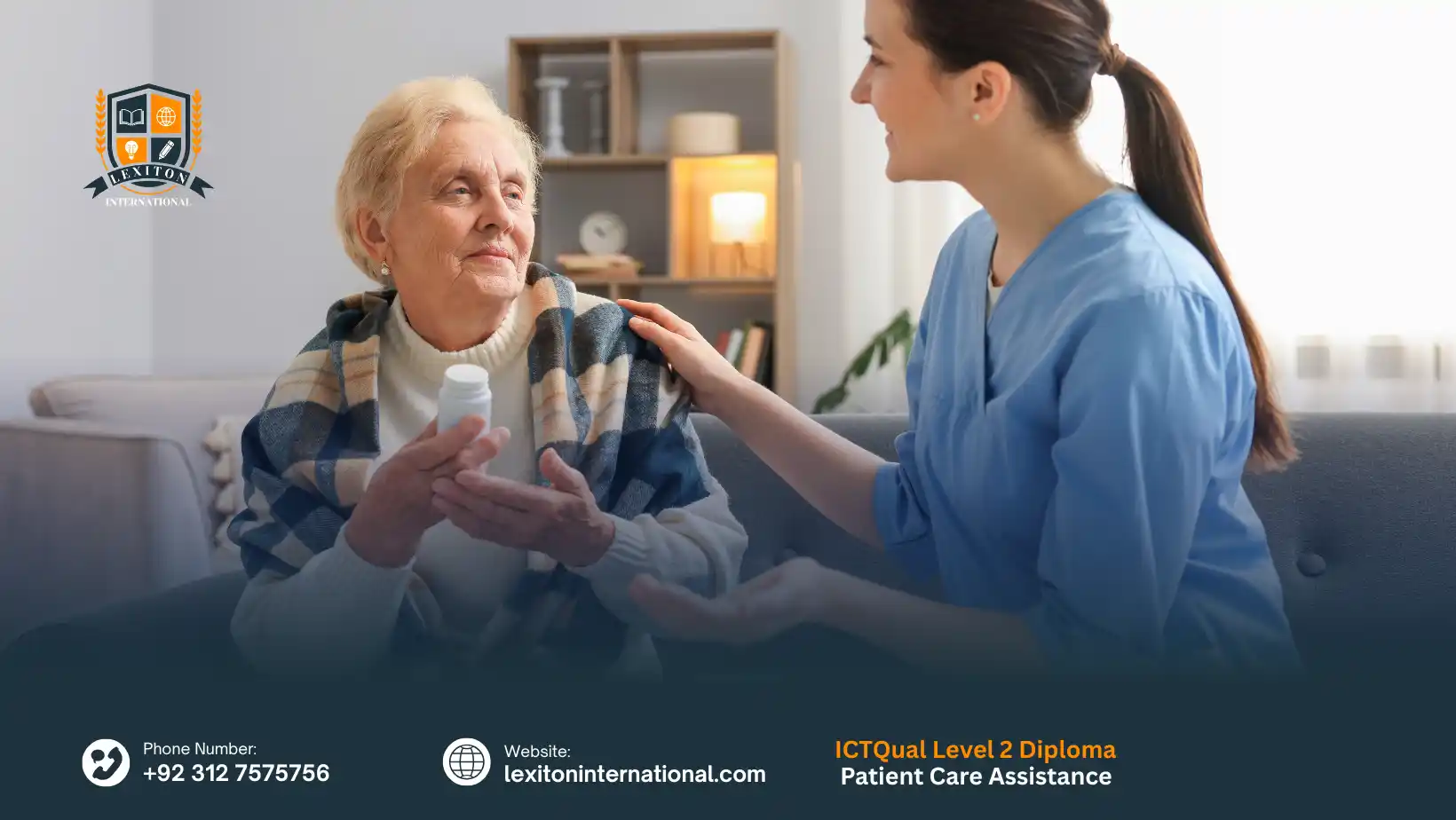
Patient care is the foundation of every healthcare system. From hospitals to community clinics, the quality of assistance provided to patients directly impacts recovery, wellbeing, and dignity. Skilled patient care assistants are essential in ensuring that individuals receive not only medical attention but also compassionate support during their most vulnerable moments. Their role extends beyond routine tasks they provide comfort, monitor patient conditions, and act as a vital link between healthcare professionals and families.
The ICTQual Level 2 Diploma in Patient Care Assistance emphasizes the importance of developing practical skills and empathy in healthcare support. As global demand for qualified healthcare workers continues to rise, the need for professionals who can combine technical knowledge with compassion has never been greater. Patient care assistants are often the first point of contact for patients, making their contribution critical to building trust and maintaining high standards of care.
This diploma highlights the value of patient‑centered care, preparing learners to step into meaningful roles within healthcare environments. By pursuing the ICTQual Level 2 Diploma in Patient Care Assistance, learners begin a rewarding journey dedicated to improving lives and strengthening healthcare delivery.
- Age Requirements: Learners must be at least 18 years or older at the time of enrollment.
- Professional Experience: Prior exposure to healthcare or patient care environments is beneficial but not mandatory.
- Educational Background: A qualification in healthcare, biology, or related subjects is recommended.
- English Language Proficiency: Learners must have a good command of English to engage with course materials, assessments, and technical documentation effectively.
Mandatory Units
Learning Outcomes for the ICTQual Level 2 Diploma in Patient Care Assistance:
Introduction to Patient Care and Healthcare Environments
- Understand the roles and responsibilities of a patient care assistant within different healthcare settings.
- Learn the principles of safe, ethical, and compassionate care for patients.
- Gain awareness of healthcare policies, procedures, and standards of practice.
- Understand the importance of confidentiality, data protection, and patient rights.
- Develop knowledge of the healthcare environment, including hospital, clinic, and community settings.
- Recognize the needs of diverse patient groups and provide inclusive care.
- Understand the significance of teamwork and collaboration with healthcare professionals.
- Learn strategies to maintain professionalism and a safe working environment.
Understanding Human Anatomy and Physiology
- Gain knowledge of basic human anatomy relevant to patient care.
- Understand physiological systems and their functions to support patient health.
- Learn the impact of illness, injury, or aging on the human body.
- Recognize signs and symptoms of common medical conditions.
- Understand how to support patients’ mobility, nutrition, and daily activities safely.
- Develop the ability to apply anatomical knowledge to patient care tasks.
- Understand the relationship between anatomy, physiology, and health monitoring.
- Build confidence in assisting healthcare professionals with patient assessments.
Infection Control and Health Safety Practices
- Understand the principles of infection prevention and control in healthcare.
- Learn proper hygiene and sanitation procedures to maintain patient safety.
- Recognize the importance of personal protective equipment (PPE) in care settings.
- Develop knowledge of procedures for handling and disposing of waste safely.
- Understand risk assessment and measures to prevent accidents or cross-contamination.
- Learn strategies to protect patients, colleagues, and oneself from infection.
- Understand reporting protocols for infection or safety incidents.
- Gain awareness of health and safety legislation in healthcare environments.
Personal Care and Support for Patients
- Learn techniques for assisting patients with daily activities such as bathing, dressing, and feeding.
- Understand safe practices for patient mobility and positioning.
- Develop skills to support patients with physical or emotional needs compassionately.
- Gain knowledge of nutritional care and monitoring fluid intake.
- Learn strategies to respect patient dignity, privacy, and independence.
- Understand procedures for assisting patients with medical aids or devices.
- Develop competence in supporting patients with diverse health conditions.
- Build confidence in providing consistent, high-quality personal care.
Communication and Professional Relationships in Healthcare
- Develop effective verbal and non-verbal communication skills with patients and colleagues.
- Understand the importance of empathy, active listening, and emotional support.
- Learn to communicate patient information accurately and professionally.
- Develop skills for handling sensitive or challenging conversations.
- Understand teamwork principles and collaborative practice in healthcare.
- Learn strategies for building trust and maintaining professional relationships.
- Recognize the importance of cultural awareness and respecting patient diversity.
- Gain confidence in using communication to enhance patient care and safety.
Observation, Monitoring, and Reporting of Patient Health
- Learn to observe and record patient behavior, vital signs, and overall health accurately.
- Understand how to identify changes in patient conditions and respond appropriately.
- Develop skills in monitoring physical, emotional, and psychological well-being.
- Learn reporting protocols for healthcare teams and documentation standards.
- Understand the significance of accurate record-keeping for patient safety and care planning.
- Gain knowledge of how to support care plans and treatment procedures effectively.
- Develop problem-solving skills to respond to observed health concerns.
- Build confidence in contributing to patient assessments and communicating findings to healthcare professionals.
The ICTQual Level 2 Diploma in Patient Care Assistance is designed for individuals seeking to build foundational skills in healthcare support and contribute to patient wellbeing.
Who Is this for
- Aspiring patient care assistants starting their career journey
- Healthcare support workers looking for formal certification
- Hospital staff assisting with patient monitoring and daily care
- Care home workers supporting residents with routine needs
- Community health volunteers seeking structured training
- Medical assistants expanding their responsibilities
- Individuals transitioning into healthcare careers
- International learners pursuing recognized healthcare qualifications
Completing the ICTQual Level 2 Diploma in Patient Care Assistance opens doors to further opportunities in healthcare support.
Future Progression
- Progression into intermediate and advanced patient care qualifications
- Opportunities to work in hospitals, clinics, and care homes
- Enhanced prospects in community health and welfare services
- Ability to support specialist patient care needs
- Recognition as a qualified professional in patient care assistance
- Potential to move into mentoring or supervisory roles
- Strengthened credibility for global healthcare opportunities
- Expanded career pathways in social care and welfare sectors
Curious About This Course?