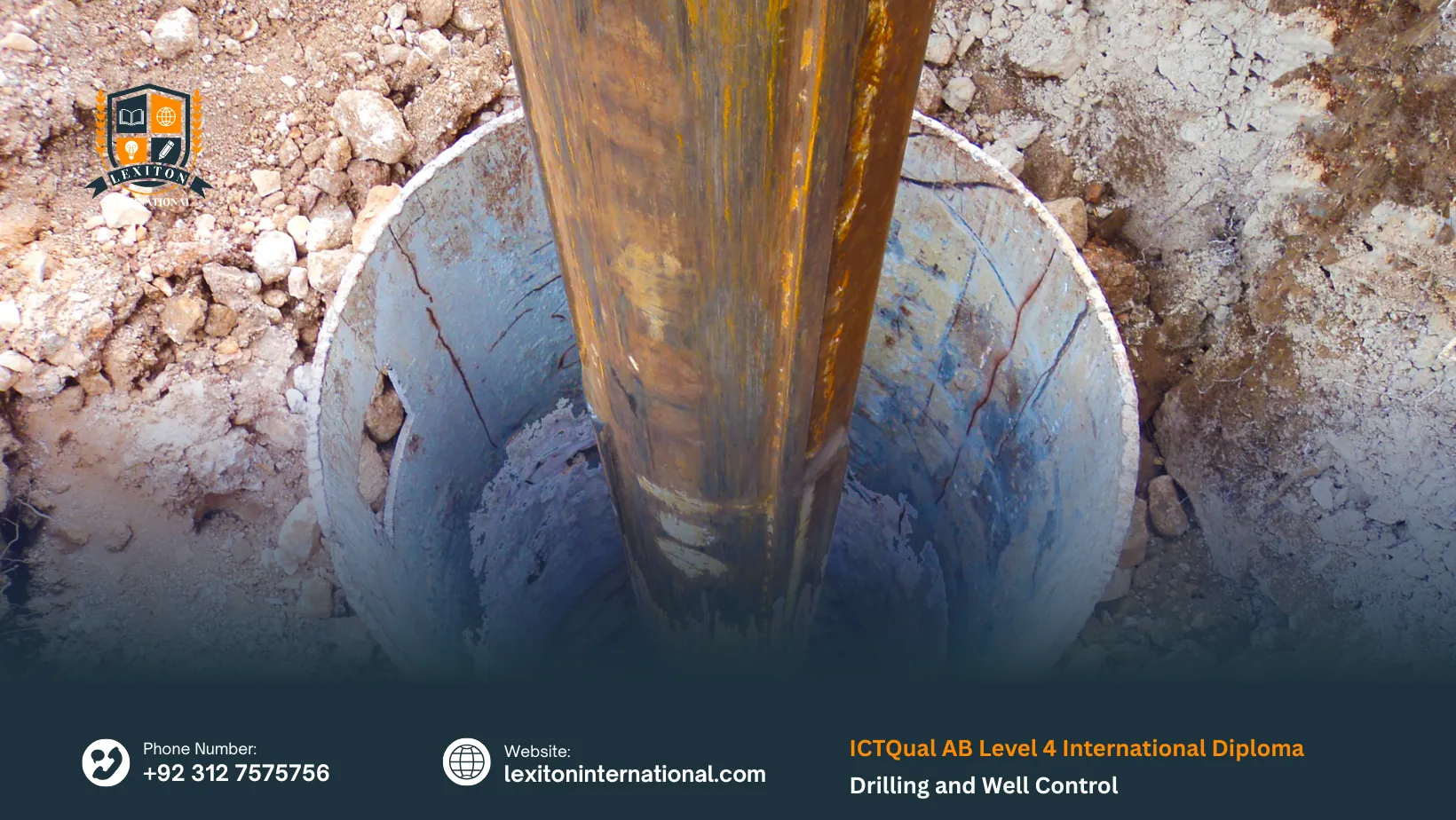
The ICTQual AB Level 4 International Diploma in Drilling and Well Control is a specialised qualification designed to introduce learners to the core principles of drilling operations and well control within the global oil and gas industry. It focuses on how wells are safely drilled, monitored, and managed to ensure efficient energy extraction while maintaining strict operational control. This programme is ideal for individuals who want to build strong foundational knowledge in one of the most critical areas of petroleum engineering.
The course covers essential topics such as drilling systems, well control principles, pressure management, rig operations, and drilling fluids. Learners also gain an understanding of well integrity, safety standards, and industry regulations that govern drilling activities. The programme is structured to provide clear insight into how drilling operations are planned and controlled to prevent risks and ensure safe and efficient outcomes in oilfield environments.
By completing this diploma, learners develop a strong understanding of drilling processes and well control concepts used across the oil and gas sector. It enhances technical awareness and analytical thinking, enabling individuals to interpret drilling operations with confidence. As drilling remains a vital part of global energy production, this qualification provides valuable knowledge for those interested in this essential and high-demand field.
- Age Requirement: Applicants should ideally be 18 years or older at the time of enrollment.
- Educational Background: A secondary school qualification (or equivalent) is required. Preference is given to candidates with a background in science, mathematics, or engineering-related subjects, as these provide the analytical and problem-solving foundation needed for drilling and well control studies. Candidates with vocational or technical diplomas in mechanical, industrial, or energy-related fields are also encouraged to apply.
- Work Experience: Work experience is not mandatory at this level. However, prior exposure to oil and gas, industrial, or mechanical environments is considered an advantage. Learners with such experience will find it easier to connect theoretical knowledge with real-world applications.
- English Language Proficiency: Since the course is delivered in English, learners must demonstrate a good command of spoken and written English.
Mandatory Unit
Year 1 – Foundation and Core Knowledge
Skills You Will Gain
Learning Outcomes for the ICTQual AB Level 4 International Diploma in Drilling and Well Control:
Year 1 – Foundation and Core Knowledge
Introduction to Drilling and Well Control
- Understand the fundamental concepts and terminology used in drilling and well control operations.
- Explain the structure and components of a drilling rig and associated equipment.
- Identify the key roles and responsibilities within drilling teams.
- Demonstrate knowledge of the stages and processes involved in drilling operations.
- Analyse the basic principles of well control and their importance for safe operations.
Fundamentals of Petroleum Geology
- Explain the geological formation of oil and gas reservoirs.
- Identify types of rocks, sediments, and structural traps relevant to hydrocarbon accumulation.
- Understand the concepts of porosity, permeability, and fluid flow in reservoirs.
- Analyse geological data for exploration and drilling planning.
- Apply basic geoscience principles to support drilling decision-making.
Drilling Engineering Principles
- Understand the mechanics of drilling and borehole construction.
- Explain drilling methods and techniques used in onshore and offshore environments.
- Analyse drilling parameters for efficiency and safety optimisation.
- Identify challenges in drilling operations and propose technical solutions.
- Apply engineering principles to improve drilling performance and cost-effectiveness.
Well Planning and Design
- Develop well design strategies for specific reservoir and operational conditions.
- Identify key considerations for well trajectory, casing, and completion design.
- Assess risks and mitigation measures during well planning.
- Apply regulatory and safety standards to well design processes.
- Use planning tools to optimise drilling operations and well performance.
Drilling Fluids and Cementing Operations
- Explain the properties and functions of drilling fluids.
- Analyse fluid selection based on well conditions and formation characteristics.
- Understand cementing techniques and their role in well integrity.
- Evaluate operational challenges related to fluid circulation and cementing.
- Apply best practices to ensure efficient and safe drilling fluid and cement operations.
Well Control Techniques and Safety Procedures
- Understand the principles of well control and kick detection.
- Demonstrate knowledge of blowout preventers and associated equipment.
- Apply techniques to manage well control incidents safely and effectively.
- Analyse case studies to identify common well control failures and lessons learned.
- Implement safety procedures to prevent accidents and ensure compliance.
Offshore and Subsea Drilling Operations
- Understand offshore drilling environments and operational challenges.
- Identify subsea equipment and technologies used in deepwater drilling.
- Analyse risks associated with offshore and subsea drilling projects.
- Apply operational strategies to ensure safe and efficient offshore drilling.
- Understand regulatory and environmental considerations in offshore operations.
Reservoir Engineering and Production Concepts
- Explain the principles of reservoir behaviour and fluid flow.
- Analyse production strategies to optimise hydrocarbon recovery.
- Apply reservoir management techniques to support drilling decisions.
- Understand well performance monitoring and production forecasting.
- Evaluate enhanced recovery methods and their application in field development.
Oil and Gas Equipment and Technology
- Identify key drilling, completion, and production equipment.
- Understand the function and maintenance requirements of critical machinery.
- Analyse technological advancements in drilling and production operations.
- Apply equipment selection principles for efficiency and safety.
- Evaluate the integration of new technologies in operational workflows.
Health, Safety, and Environmental Management in Drilling
- Understand HSE standards and regulatory frameworks in oil and gas operations.
- Identify workplace hazards and implement risk mitigation strategies.
- Apply emergency response and incident management procedures.
- Promote a safety culture within drilling teams and operations.
- Analyse environmental impact and implement sustainable drilling practices.
Digital Tools and Simulation in Well Operations
- Use digital modelling and simulation tools for well planning and monitoring.
- Analyse drilling data to optimise operations and decision-making.
- Apply software solutions for reservoir and production management.
- Understand the role of digitalisation in improving operational efficiency.
- Evaluate emerging technologies and their impact on drilling operations.
Professional Practice and Future Trends in Drilling
- Develop professional communication and teamwork skills for drilling environments.
- Understand ethical and legal responsibilities in oil and gas operations.
- Analyse industry trends and emerging technologies shaping drilling practices.
- Apply project management principles to drilling and well control projects.
- Plan for continuous professional development and career progression in drilling.
The ICTQual AB Level 4 International Diploma in Drilling and Well Control is designed for individuals who want to build a strong entry-level understanding of drilling operations and well control fundamentals. It is ideal for learners aiming to step into the oilfield industry with essential technical awareness and safety knowledge.
Who Is This Course For
- Learners who want to start a career in drilling operations and oilfield services.
- Individuals interested in how drilling rigs and well systems operate in the oil and gas industry.
- Aspiring technicians aiming to build basic knowledge of drilling and pressure control systems.
- Students from technical or science backgrounds planning to enter the energy sector.
- Workers seeking to shift into oilfield, rig, or industrial operational roles.
- Individuals interested in offshore and onshore drilling environments.
- Candidates looking for entry-level opportunities in global drilling companies.
- Learners who want to understand basic well control and safety procedures.
- People aiming to develop practical awareness of oilfield equipment and operations.
The ICTQual AB Level 4 International Diploma in Drilling and Well Control builds essential industry readiness by developing foundational drilling knowledge and safety awareness required in oilfield environments. It prepares you for entry-level exposure to high-pressure operations where discipline, precision, and teamwork are critical.
Future Progression
- Step into assistant-level roles supporting drilling and rig operations.
- Assist in basic well control activities under supervision in oilfield environments.
- Contribute to day-to-day rig support tasks across onshore and offshore sites.
- Work alongside drilling teams in monitoring equipment and operational safety.
- Support routine maintenance and inspection activities on drilling systems.
- Build opportunities in oilfield service companies and drilling contractors.
- Take part in field operations focused on safe drilling practices.
- Strengthen eligibility for junior technical roles in the energy and oilfield sector.
- Develop recognition for supporting essential drilling and operational safety work.
- Position yourself at the starting point of a globally active and high-demand industry.
Curious About This Course?