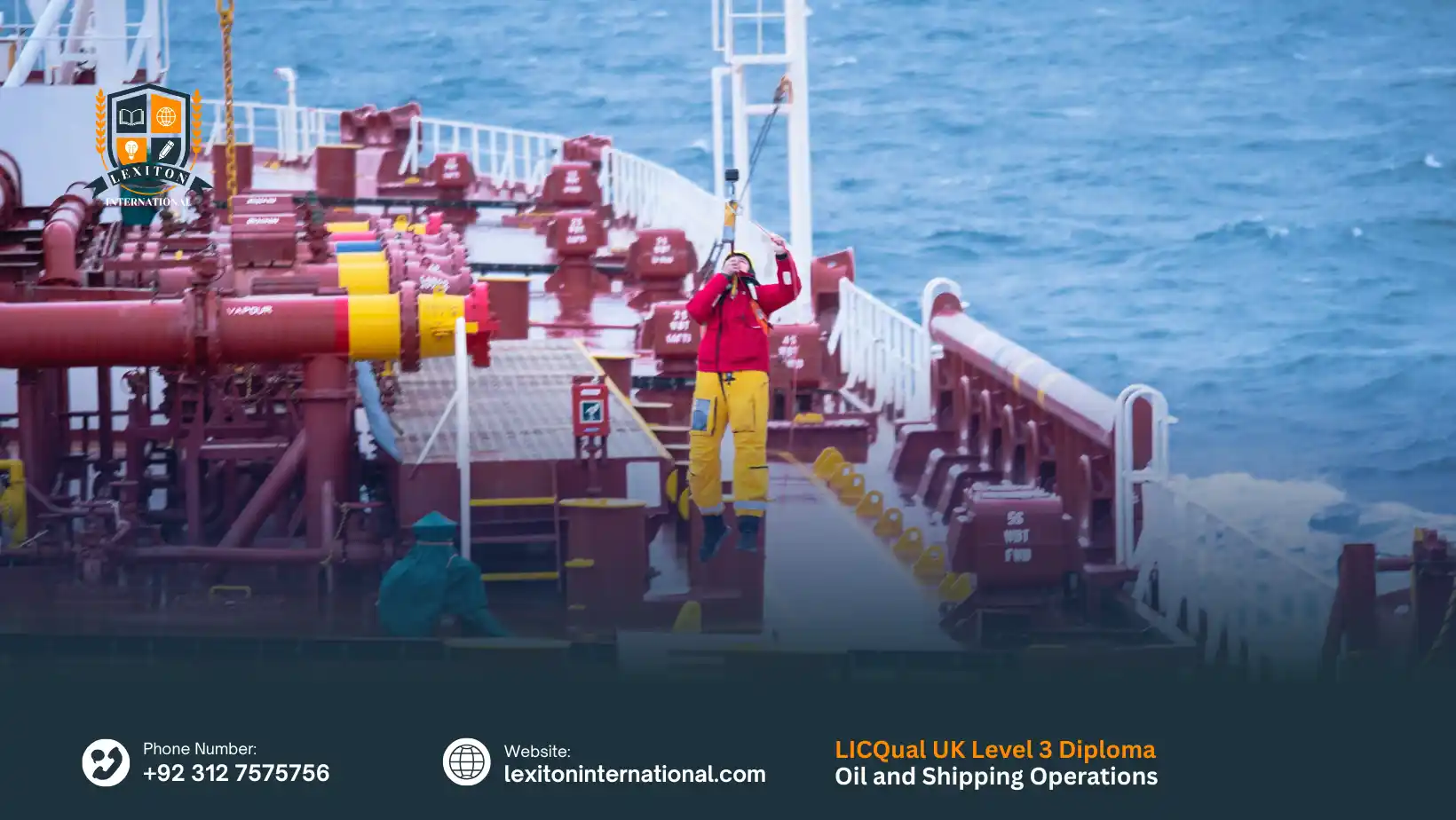
UK Level 3 Oil Shipping by LICQual
Oil and shipping operations are at the core of global energy and trade, ensuring the safe and efficient movement of one of the world’s most valuable commodities. Every shipment depends on professionals who understand logistics, compliance, and the complexities of transporting oil across international waters. In today’s competitive industry, expertise in oil and shipping operations is essential to sustaining economic growth, international partnerships, and customer trust.
The LICQual UK Level 3 Diploma in Oil and Shipping Operations emphasizes the importance of preparing individuals to meet these challenges with confidence. Oil shipping is not simply about moving cargo; it requires knowledge of international regulations, risk management, and the ability to coordinate complex supply chains. As global demand for energy continues to expand, the need for skilled professionals who can uphold operational excellence and contribute to secure shipping systems has never been greater.
By pursuing this diploma, learners position themselves as capable contributors to one of the most critical areas of international commerce.
- Age Requirements: Applicants must be 18 years or above at the time of enrollment.
- Professional Experience: No prior experience required, though exposure to oil or shipping environments is beneficial.
- Educational Background: Basic education in business, logistics, or maritime studies recommended.
- English Language Proficiency: Learners must have good written and spoken English skills to engage effectively with course materials, reporting tasks, and communication in industrial settings.
Mandatory Units
1. Introduction to Oil and Shipping Operations
Learners will be able to:
- Explain the role of oil and shipping operations in global energy and trade.
- Identify the key stakeholders in oil transport, shipping, and logistics.
- Demonstrate understanding of the basic processes in oil shipping operations.
- Recognize the importance of oil shipping in international commerce.
- Apply foundational knowledge to entry‑level oil and maritime scenarios.
- Assess how oil shipping supports global supply chains and energy security.
2. Fundamentals of Maritime Transport and Tanker Operations
Learners will be able to:
- Demonstrate knowledge of tanker types, structures, and operational functions.
- Apply safe and efficient methods for loading, transporting, and discharging oil cargo.
- Recognize the importance of cargo stability, stowage, and vessel balance.
- Analyze the impact of technology on modern tanker operations.
- Evaluate the role of maritime transport in global oil logistics.
- Apply international best practices in tanker operations and oil transport.
3. Health, Safety, and Environmental Awareness in Oil Shipping
Learners will be able to:
- Demonstrate understanding of international safety standards in oil shipping.
- Apply knowledge of pollution prevention and environmental protection measures.
- Recognize the importance of compliance with MARPOL and SOLAS conventions.
- Analyze the risks associated with oil transport and tanker operations.
- Evaluate safety management systems for oil shipping operations.
- Promote a culture of safety, compliance, and sustainability in maritime logistics.
4. Port Operations, Storage, and Cargo Handling
Learners will be able to:
- Explain the role of ports in oil shipping and global energy logistics.
- Demonstrate understanding of oil storage, terminal operations, and cargo flows.
- Apply knowledge of safe handling and transfer of oil cargo at ports.
- Analyze the interdependence of ports, shipping companies, and logistics providers.
- Evaluate the efficiency of port operations in supporting oil trade.
- Recognize the importance of digitalization and innovation in port logistics.
5. Shipping Documentation and International Trade Practices
Learners will be able to:
- Demonstrate knowledge of essential shipping documents, including bills of lading.
- Apply international trade practices to oil shipping and logistics operations.
- Recognize the legal and commercial importance of accurate documentation.
- Analyze the role of Incoterms in oil trade and shipping contracts.
- Evaluate the impact of documentation errors on oil cargo movement and compliance.
- Apply best practices in preparing and managing oil shipping paperwork.
6. Professional Skills for Oil and Shipping Careers
Learners will be able to:
- Demonstrate effective communication and teamwork in oil shipping contexts.
- Apply problem‑solving and critical thinking to oil and logistics challenges.
- Recognize the importance of ethics and compliance in professional practice.
- Develop employability skills for entry‑level roles in oil shipping and logistics.
- Apply time management and organizational skills to maritime operations.
- Build confidence in applying theoretical knowledge to professional practice.
The LICQual UK Level 3 Diploma in Oil and Shipping Operations is designed for learners who want to strengthen their skills and solve real‑world challenges in energy logistics.
Who Is This Course For?
- Aspiring oil shipping staff seeking structured training
- Logistics employees aiming to enhance service skills
- Port handling teams improving operational standards
- Compliance staff working in energy trade environments
- Business professionals expanding into oil shipping operations
- Career changers pursuing opportunities in oil logistics
- International learners seeking recognized shipping qualifications
The LICQual UK Level 3 Diploma in Oil and Shipping Operations provides learners with the foundation to advance their careers in energy logistics and maritime operations. This qualification strengthens professional credibility and opens doors to wider opportunities across the global shipping sector.
Future Progression
- Progression into specialist oil and shipping qualifications
- Opportunities to work in international ports and energy companies
- Enhanced prospects in cargo handling, safety, and compliance roles
- Ability to contribute to risk management and operational efficiency
- Recognition as a qualified oil shipping professional
- Potential to move into mentoring, supervisory, or training positions
- Strengthened credibility for global logistics opportunities
Curious About This Course?