Introduction
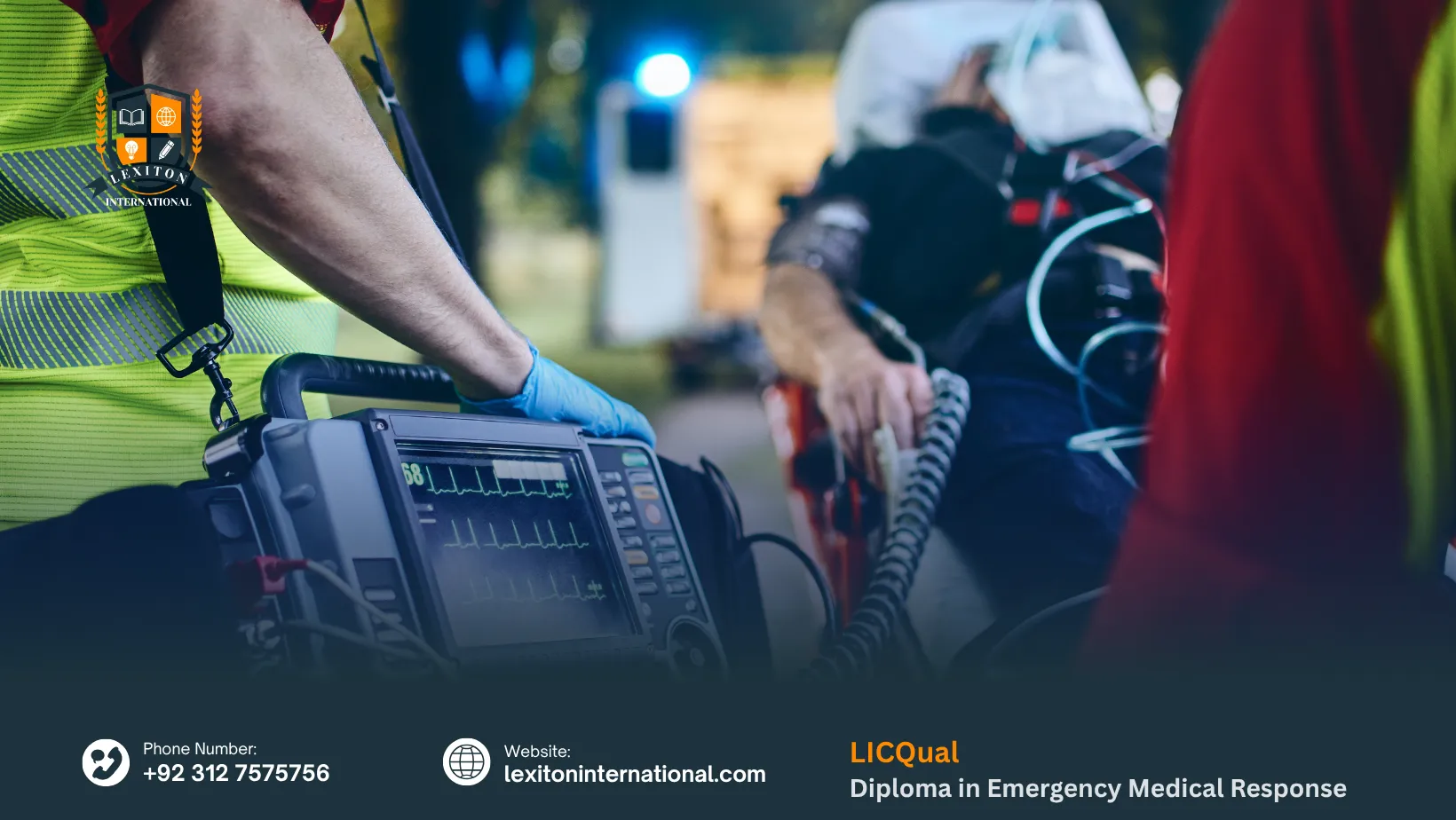
The LICQual Diploma in Emergency Medical Response is designed to provide Learners with practical knowledge and skills for responding effectively to medical emergencies. The qualification focuses on essential emergency response principles, initial patient assessment, immediate care, communication and safe response procedures in situations where timely action can be critical.
Learners develop an understanding of how to recognise common medical emergencies, assess a casualty, prioritise immediate needs and provide appropriate first response within their level of training. Key areas may include emergency scene assessment, patient communication, basic life support awareness, bleeding and injury management, shock, breathing difficulties and other urgent medical conditions. The course also emphasises personal safety, infection prevention, effective teamwork and appropriate emergency communication.
The LICQual Diploma in Emergency Medical Response is relevant to Learners in Pakistan and internationally, particularly those interested in emergency care, healthcare support, first response, workplace safety, community services and medical response environments. It can be valuable for individuals who may have responsibilities for responding to emergencies in workplaces, public settings or community environments.
Through structured learning, Learners can build confidence in recognising emergency situations and understanding appropriate response procedures. The qualification provides practical, people-focused knowledge that can support professional development in emergency response, healthcare support and safety-related environments while reinforcing the importance of working within appropriate training and professional boundaries.
The LICQual Diploma in Emergency Medical Response is suitable for Learners interested in emergency care, first response and healthcare support. No specific medical experience is normally required.
- Age: 18 years or above.
- Experience: Previous healthcare or first-response experience is beneficial but not mandatory.
- Language: Basic English proficiency is recommended.
- Education: Basic secondary education or equivalent is recommended.
- Communication: Ability to understand emergency instructions and communicate clearly.
- Learning: Ability to complete learning activities and assessments.
The LICQual Diploma in Emergency Medical Response, qualification consisting of 6 mandatory study units.
Mandatory Units
- Advanced Patient Assessment and Diagnosis
- Fundamentals of Emergency Medical Response
- Trauma Management and Critical Care
- Cardiopulmonary Resuscitation (CPR) and Advanced Life Support
- Medical Emergencies and Crisis Management
- Legal, Ethical, and Professional Considerations in Emergency Medical Response
Skills You Will Gain
The LICQual Diploma in Emergency Medical Response helps Learners develop practical knowledge for recognising emergencies, providing appropriate first response and supporting casualty care.
- Emergency Assessment: Assess emergency situations and identify immediate priorities.
- Scene Safety: Recognise hazards and maintain a safe emergency response environment.
- Patient Assessment: Conduct basic initial checks to understand a casualty’s condition.
- Emergency Response: Apply appropriate first-response principles during medical emergencies.
- Life Support: Understand essential principles of basic life support and emergency care.
- Breathing Problems: Recognise signs of breathing difficulties and appropriate response actions.
- Bleeding Control: Understand methods for managing bleeding and reducing further harm.
- Injury Management: Provide appropriate initial support for common injuries.
- Shock Awareness: Recognise potential signs of shock and understand appropriate first-response measures.
- Communication Skills: Communicate clearly with casualties, emergency teams and other responders.
- Emergency Calls: Provide relevant information when contacting emergency medical services.
- Infection Control: Apply basic infection prevention and control practices during emergency response.
- Casualty Care: Provide safe and respectful support while awaiting professional medical assistance.
- Team Coordination: Work effectively with others during emergency response situations.
- Incident Reporting: Understand the importance of recording and reporting emergency incidents.
- Professional Practice: Work within appropriate training, procedures and professional boundaries.
The LICQual Diploma in Emergency Medical Response is suitable for Learners who want to develop practical knowledge of emergency response, casualty care and first-response procedures.
Who Is This Course For
This course is particularly suitable for
- First Responders: Individuals who may provide initial assistance during emergencies.
- Healthcare Support Staff: Professionals supporting patients and emergency care activities.
- First Aid Personnel: Those seeking stronger knowledge of emergency response procedures.
- Workplace Safety Staff: Professionals responsible for responding to workplace emergencies.
- Security Personnel: Those who may encounter medical emergencies while performing their duties.
- Community Workers: Individuals providing support in community and public environments.
- Care Workers: Professionals who may need to respond to urgent medical situations.
- Emergency Support Staff: Individuals working in environments where emergency response knowledge is valuable.
- Safety Supervisors: Supervisors responsible for emergency preparedness and workplace response.
- Career-Focused Learners: Learners interested in emergency medical response and healthcare support roles.
Future Progression
The LICQual Diploma in Emergency Medical Response can help Learners develop practical knowledge for emergency response, healthcare support and safety-related roles.
- First Response Roles: Apply emergency response knowledge in appropriate first-response environments.
- Healthcare Support: Develop skills relevant to healthcare and patient support settings.
- Workplace Response: Support emergency preparedness and response within workplaces.
- Community Support: Apply emergency care knowledge in community and public environments.
- First Aid Services: Strengthen knowledge for first aid and emergency support activities.
- Safety Roles: Use emergency response knowledge alongside workplace safety responsibilities.
- Emergency Support: Contribute to appropriate emergency response activities within trained responsibilities.
- Professional Development: Strengthen skills for continued development in emergency care and safety-related fields.
Curious About This Course?