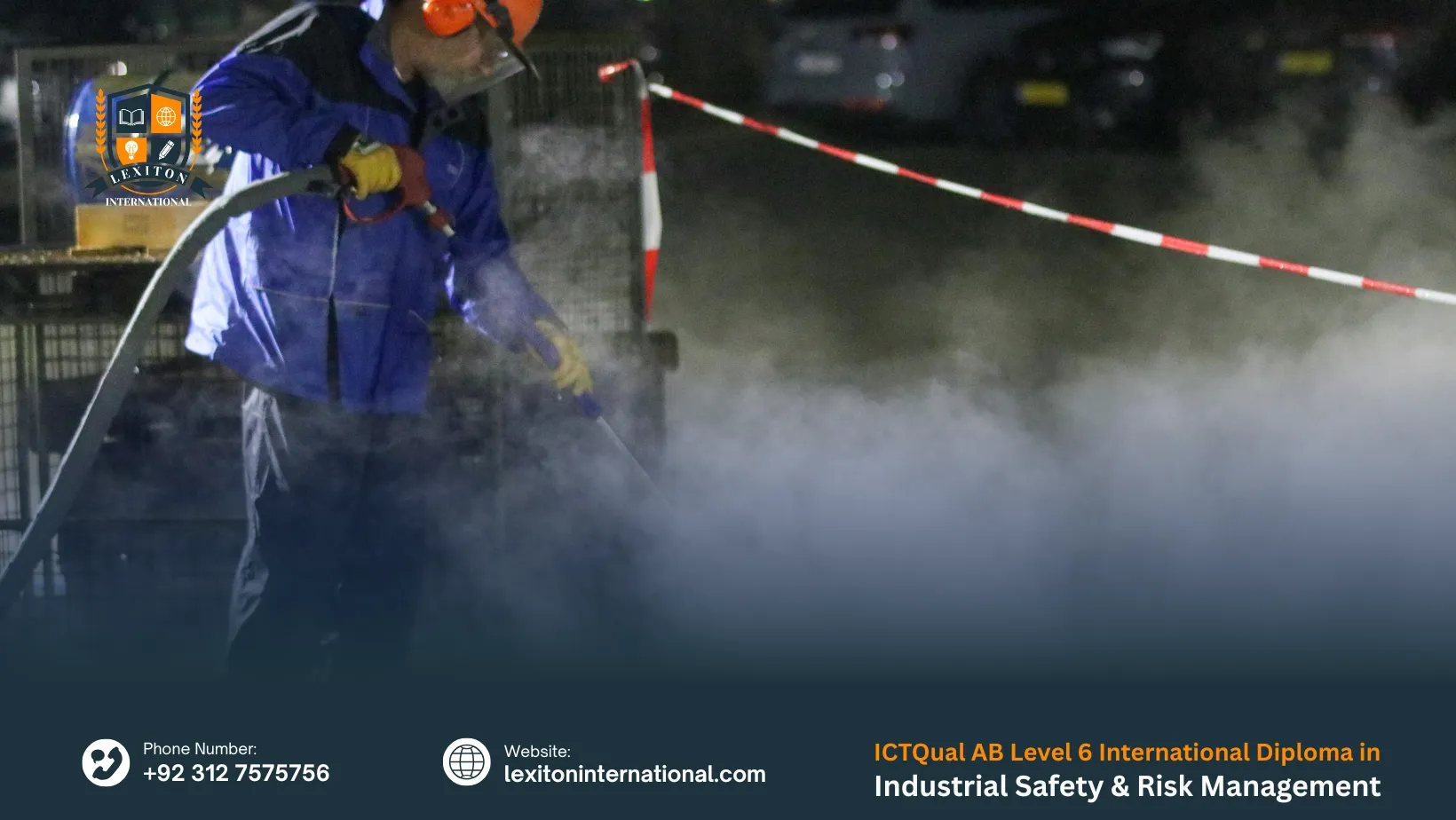
The ICTQual AB Level 6 International Diploma in Industrial Safety & Risk Management is designed to provide learners with a comprehensive understanding of workplace safety practices, risk assessment methodologies, and the principles of effective safety management systems. This program emphasizes the importance of creating safe working environments across industries, equipping learners with the knowledge and skills to identify hazards, evaluate risks, and implement preventive measures. It also focuses on developing leadership qualities in safety management, ensuring that participants are prepared to take responsibility for safeguarding people, property, and processes in complex industrial settings.
The course offers a detailed exploration of industrial safety frameworks, risk management strategies, and compliance with international standards. Learners will study topics such as hazard identification, accident prevention, emergency preparedness, and occupational health principles. The program integrates theoretical knowledge with practical applications, enabling participants to understand how safety policies are implemented in real-world scenarios. By combining case studies, applied learning, and structured modules, the diploma ensures that learners gain both technical expertise and managerial insight into safety practices.
In addition, the course highlights the role of risk management in modern industries, where operational efficiency must be balanced with safety obligations. Learners will be introduced to advanced risk analysis techniques, safety audits, and incident investigation methods, all of which are critical for maintaining compliance and minimizing workplace accidents. The program also emphasizes the importance of cultivating a proactive safety culture, encouraging learners to adopt preventive approaches rather than reactive measures. By the end of the course, participants will be well-prepared to contribute meaningfully to organizational safety objectives and uphold international standards of risk management.
To enroll in this program, candidates must meet certain entry requirements that ensure they are prepared for the academic and professional demands of the course.
- Age Requirements: Applicants should be at least 21 years old to demonstrate maturity and readiness for advanced-level study.
- Qualification Requirements: A recognized Level 5 diploma or equivalent qualification is required to ensure foundational knowledge in safety or management.
- Professional Experience: Candidates should have at least 2–3 years of relevant work experience in industrial operations, safety, or risk management roles.
- Educational Background: A background in engineering, science, management, or related fields is preferred to support understanding of technical and managerial concepts.
- Language Proficiency Requirement: Learners must have a good command of English to comprehend course materials and participate effectively in assessments.
- Technical Skills Requirement: Basic computer literacy is essential, as the course involves digital resources, online assessments, and research activities.
Mandatory Units
Year 1 – Foundation of Industrial Safety & Risk Management
Year 2 – Applied Industrial Safety & Risk Management
Year 3 – Strategic Leadership in Industrial Safety & Risk Management
This diploma is designed to provide learners with a structured pathway to develop advanced knowledge, skills, and professional competence in industrial safety and risk management. Across three years of study, participants will progress from foundational principles to applied practices and finally to strategic leadership, ensuring they are fully prepared to manage safety responsibilities in diverse industrial environments.
Year 1 – Foundation of Industrial Safety & Risk Management
1. Principles of Industrial Safety Management
- Explain the core principles of industrial safety and their relevance to workplace operations.
- Analyse organisational safety structures and their contribution to hazard prevention.
- Understand the role of safety policies in shaping workplace culture.
- Apply safety principles to improve operational efficiency and reduce risks.
2. Introduction to Risk Management in Industrial Environments
- Identify different types of workplace risks and hazards.
- Apply basic risk assessment methods to control hazards effectively.
- Understand the importance of prioritising risks based on severity and likelihood.
- Recommend simple preventive measures to reduce workplace incidents.
3. Occupational Health and Industrial Hygiene Fundamentals
- Understand the principles of occupational health and hygiene.
- Recognise exposure risks related to noise, dust, chemicals, and biological agents.
- Propose preventive measures to safeguard worker health.
- Evaluate workplace hygiene practices for compliance with standards.
4. Workplace Hazards Identification and Control Measures
- Identify physical, chemical, and biological hazards in industrial settings.
- Recommend suitable control strategies to mitigate risks.
- Apply monitoring techniques to ensure hazard control effectiveness.
- Promote awareness of hazard prevention among employees.
5. Safety Legislation and Regulatory Compliance
- Explain key international safety legislation and standards.
- Evaluate organisational compliance with regulatory requirements.
- Understand the consequences of non-compliance in industrial operations.
- Apply regulatory frameworks to workplace safety practices.
6. Fire Safety and Emergency Preparedness
- Assess fire risks and prevention measures in industrial environments.
- Develop emergency response procedures for workplace incidents.
- Train employees in fire safety awareness and evacuation protocols.
- Evaluate fire safety systems for effectiveness and reliability.
7. Manual Handling and Ergonomic Safety
- Apply ergonomic principles to workplace design and task management.
- Recommend practices to minimise musculoskeletal injuries.
- Analyse manual handling risks and propose safer alternatives.
- Promote ergonomic awareness among employees.
8. Communication and Reporting in Safety Management
- Demonstrate effective safety communication techniques.
- Prepare reports and documentation to support safety compliance.
- Use communication tools to share safety information across teams.
- Encourage transparent reporting of incidents and hazards.
9. Introduction to Environmental Safety and Sustainability
- Recognise environmental hazards and their impact on workplace safety.
- Propose sustainable practices to minimise environmental risks.
- Understand the link between environmental safety and industrial operations.
- Promote eco-friendly initiatives within safety management systems.
10. Electrical and Mechanical Safety Awareness
- Identify electrical and mechanical hazards in industrial environments.
- Apply safe operational procedures and preventive measures.
- Evaluate equipment safety standards and maintenance practices.
- Promote awareness of electrical and mechanical safety among workers.
11. Incident Investigation and Root Cause Analysis
- Conduct basic incident investigations and identify root causes.
- Recommend corrective and preventive actions.
- Document findings to support organisational learning.
- Apply structured methods to improve incident analysis.
12. Professional Ethics and Responsibility in Safety Practice
- Demonstrate ethical responsibility in workplace safety management.
- Apply professional standards to ensure safe and compliant practices.
- Promote accountability and integrity in safety decision-making.
- Understand the role of ethics in building trust within organisations.
Year 2 – Applied Industrial Safety & Risk Management
1. Advanced Risk Assessment and Hazard Control
- Conduct comprehensive risk assessments in complex industrial settings.
- Evaluate the effectiveness of control measures and recommend improvements.
- Apply advanced risk analysis techniques to high-risk operations.
- Develop proactive strategies for hazard prevention.
2. Safety Performance Monitoring and Auditing
- Develop and implement safety monitoring systems.
- Conduct safety audits and evaluate organisational performance.
- Analyse audit findings to recommend improvements.
- Promote continuous improvement through monitoring and feedback.
3. Process Safety Management and Hazardous Substances
- Identify process safety risks and manage hazardous materials.
- Apply industry standards to control chemical and process hazards.
- Evaluate safety systems for handling hazardous substances.
- Recommend safe storage and disposal practices.
4. Industrial Safety in Manufacturing and Heavy Industries
- Analyse safety risks in manufacturing and heavy industries.
- Implement sector-specific safety measures and protocols.
- Evaluate machinery safety standards and operational practices.
- Promote awareness of industry-specific hazards.
5. Safety Management in Construction and Energy Sectors
- Recognise hazards in construction and energy projects.
- Apply international safety standards to manage site-specific risks.
- Develop safety plans tailored to construction and energy operations.
- Monitor compliance with sector-specific safety requirements.
6. Occupational Diseases and Preventive Measures
- Identify common occupational illnesses and their causes.
- Develop preventive strategies to mitigate occupational health risks.
- Promote awareness of occupational diseases among employees.
- Evaluate workplace health programmes for effectiveness.
7. Behavioural Safety and Human Factors
- Analyse the impact of human behaviour on safety performance.
- Apply behavioural safety techniques to reduce incidents.
- Promote positive safety behaviours among employees.
- Evaluate the role of human factors in accident causation.
8. Safety Culture Development and Change Management
- Develop strategies to promote a strong safety culture.
- Apply change management principles to implement safety improvements.
- Encourage employee participation in safety initiatives.
- Evaluate cultural change outcomes in workplace safety.
9. Safety Technology and Digital Tools
- Utilise modern digital tools for hazard identification and reporting.
- Evaluate the effectiveness of technology in enhancing workplace safety.
- Apply digital platforms to monitor safety performance.
- Promote adoption of innovative safety technologies.
10. Emergency Response Planning and Crisis Management
- Develop effective emergency response and crisis management plans.
- Evaluate preparedness and response effectiveness in industrial settings.
- Train employees in crisis management procedures.
- Apply lessons learned from past emergencies to improve planning.
11. Legal and Regulatory Frameworks (International Perspective)
- Compare global safety legislation and standards.
- Apply international frameworks to ensure compliance in multinational operations.
- Evaluate differences in regulatory requirements across regions.
- Promote harmonisation of safety practices globally.
12. Research Methods and Data Analysis for Safety Management
- Conduct research and analyse safety-related data.
- Apply evidence-based decision-making to improve industrial safety practices.
- Use statistical tools to interpret safety data.
- Present research findings to support organisational learning.
Year 3 – Strategic Leadership in Industrial Safety & Risk Management
1. Strategic Safety Leadership and Governance
- Demonstrate leadership in safety management at organisational level.
- Develop governance strategies to ensure long-term safety compliance.
- Promote accountability in safety leadership.
- Evaluate leadership effectiveness in safety outcomes.
2. Integrated Management Systems (ISO 45001, ISO 14001, ISO 9001)
- Apply principles of integrated management systems to workplace safety.
- Evaluate organisational performance against ISO standards.
- Promote integration of safety, quality, and environmental systems.
- Monitor compliance with international management frameworks.
3. Business Risk Management and Sustainability
- Assess industrial risks and develop sustainability-focused safety strategies.
- Implement risk management frameworks aligned with business objectives.
- Promote sustainable practices within safety management.
- Evaluate the impact of risk management on business continuity.
4. Advanced Occupational Health & Wellbeing Strategies
- Design workplace health and wellbeing programmes.
- Integrate wellbeing strategies into overall safety management.
- Promote employee participation in wellbeing initiatives.
- Evaluate the effectiveness of health programmes.
5. Safety in Large-Scale Industrial Projects
- Identify and manage risks in complex industrial and construction projects.
- Apply advanced planning and control strategies for project safety.
- Monitor safety performance in large-scale operations.
- Promote collaboration among stakeholders for project safety.
6. Corporate Social Responsibility and Ethical Safety Practices
- Develop safety policies aligned with corporate social responsibility principles.
- Promote ethical decision-making and accountability in safety management.
- Evaluate the role of CSR in enhancing safety culture.
- Encourage transparency in safety practices.
7. International Standards and Global Safety Frameworks
- Analyse international safety frameworks and apply them in organisational contexts.
- Evaluate global safety compliance and performance metrics.
- Promote adoption of international best practices.
- Compare global frameworks to identify strengths and gaps.
8. Digital Transformation and Emerging Trends in Safety
- Assess the impact of emerging technologies on industrial safety.
- Implement digital solutions to improve safety monitoring and reporting.
- Promote innovation in safety management practices.
- Evaluate future trends in safety technology.
9. Policy Development and Implementation in Safety Management
- Develop and implement effective organisational safety policies.
- Evaluate policy effectiveness and recommend improvements.
- Promote employee engagement in policy development.
- Align policies with international standards and organisational goals.
10. Research Project / Dissertation in Industrial Safety
- Conduct independent research on a relevant industrial safety topic.
- Analyse findings and provide evidence-based recommendations.
- Present research outcomes to stakeholders.
- Apply research to improve workplace safety practices.
11. Professional Development and Lifelong Learning
- Demonstrate commitment to continuous professional development by engaging in ongoing training and skill enhancement.
- Apply reflective practices to evaluate personal strengths and areas for improvement in safety management.
- Develop strategies for maintaining professional competence in evolving industrial environments.
- Promote lifelong learning as a means to adapt to new safety challenges and global standards.
- Encourage knowledge-sharing and mentoring to support the growth of others in the safety profession.
12. Capstone Project: Practical Application of Safety Leadership
- Plan and execute a comprehensive safety improvement project within a real or simulated industrial environment.
- Demonstrate integration of knowledge, skills, and strategic leadership in a practical context.
- Analyse project outcomes to identify successes, challenges, and lessons learned.
- Present findings and recommendations to stakeholders in a professional format.
- Showcase the ability to apply theoretical learning to practical, high-impact safety solutions.
This diploma is designed for individuals who aspire to become competent professionals in industrial safety and risk management. The ideal learner is someone who combines academic readiness, professional ambition, and a strong sense of responsibility toward workplace safety.
Professional Orientation
- Motivated to pursue a career in industrial safety and risk management.
- Interested in applying safety principles across diverse industries.
- Committed to improving workplace safety standards.
- Willing to take responsibility for hazard prevention and compliance.
- Focused on building leadership skills in safety management.
Academic Readiness
- Possesses a solid educational background in science, engineering, or management.
- Capable of understanding technical safety concepts and applying them practically.
- Demonstrates analytical thinking and problem-solving abilities.
- Comfortable with structured learning and assessments.
- Prepared to engage with both theoretical and applied modules.
Workplace Experience
- Has prior exposure to industrial environments or safety-related roles.
- Understands the importance of risk management in daily operations.
- Able to connect real-world experiences with academic learning.
- Seeks to enhance existing knowledge with advanced safety practices.
- Values practical application of safety principles.
Personal Attributes
- Displays strong ethical responsibility in professional settings.
- Communicates effectively with teams and stakeholders.
- Shows resilience and adaptability in challenging environments.
- Demonstrates leadership potential in safety initiatives.
- Maintains a proactive attitude toward hazard prevention.
Commitment to Growth
- Dedicated to continuous learning and professional development.
- Open to adopting new technologies in safety management.
- Seeks opportunities to expand knowledge through certifications.
- Values sustainability and environmental responsibility.
- Strives to contribute positively to organisational safety culture.
Global Perspective
- Interested in international safety standards and compliance frameworks.
- Willing to apply knowledge across multinational operations.
- Understands cultural diversity in workplace safety practices.
- Seeks to align safety strategies with global best practices.
- Committed to promoting safety beyond local boundaries.
The ideal learner for this diploma is someone who blends academic capability, workplace experience, and ethical responsibility, with a vision to lead safety initiatives and contribute to sustainable industrial practices worldwide.
Completing ICTQual AB Level 6 International Diploma in Industrial Safety & Risk Management opens pathways for learners to advance their expertise and professional standing in industrial safety and risk management. Future progression focuses on specialised diplomas, certifications, and professional recognition.
Advanced Diplomas
- Progression to higher-level diplomas in occupational health and safety.
- Opportunities to specialise in process safety management.
- Diplomas focusing on construction and energy sector safety.
- Advanced qualifications in environmental safety and sustainability.
- Diplomas in leadership and governance for safety professionals.
Professional Certifications
- Eligibility for internationally recognised safety certifications.
- Certifications in risk assessment and hazard control.
- Industry-specific certifications for manufacturing and heavy industries.
- Certifications in emergency response and crisis management.
- Professional recognition through accredited safety bodies.
Sector-Specific Pathways
- Specialisation in oil, gas, and energy sector safety.
- Advanced training in chemical and hazardous substance management.
- Certifications tailored to construction project safety.
- Diplomas focusing on transport and logistics safety.
- Pathways into mining and heavy engineering safety management.
Technology and Innovation
- Certifications in digital safety tools and reporting systems.
- Diplomas in safety technology and automation.
- Training in emerging safety technologies and digital transformation.
- Specialisation in data-driven safety management.
- Opportunities to explore AI and IoT applications in safety.
Leadership and Governance
- Diplomas in strategic safety leadership.
- Certifications in integrated management systems.
- Advanced training in corporate social responsibility and ethics.
- Pathways into governance and compliance leadership roles.
- Recognition as a safety leader in multinational organisations.
Global Recognition
- Opportunities to gain certifications aligned with international standards.
- Diplomas recognised across multiple industries worldwide.
- Pathways to professional membership in global safety organisations.
- Certifications that enhance employability in international markets.
- Recognition as a globally competent safety professional.
Future progression for learners of this diploma ensures they can expand their expertise through advanced diplomas, certifications, and sector-specific pathways, positioning them as leaders in industrial safety and risk management across global industries.
Curious About This Course?