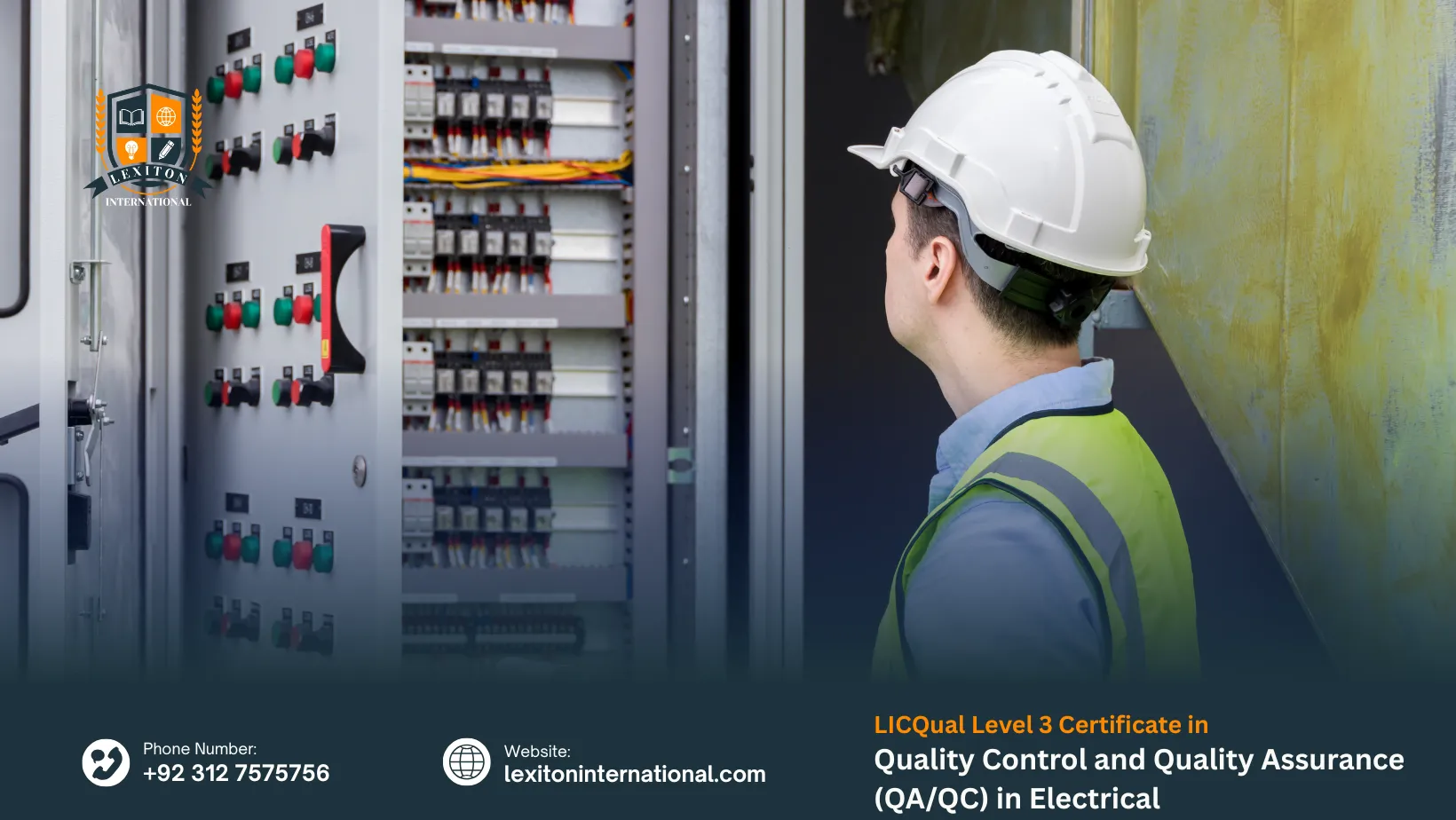
The LICQual Level 3 Certificate in Quality Control and Quality Assurance (QA/QC) in Electrical is designed for learners who want to build strong technical competence in maintaining, evaluating, and improving electrical quality standards across industrial, commercial, and engineering environments. This course introduces participants to the essential principles of inspection, testing, compliance, and documentation, while strengthening their understanding of electrical systems, safety protocols, and regulatory expectations. It blends theoretical foundations with practical applications, enabling learners to develop the confidence and capability required to support quality-driven operations and contribute to organizational excellence.
This qualification provides a structured overview of how QA/QC processes are implemented within electrical projects, manufacturing lines, maintenance operations, and installation environments. Learners explore the full lifecycle of quality assurance, from planning and preventive measures to corrective actions and continuous improvement. The course also highlights the importance of risk assessment, defect identification, root-cause analysis, and adherence to international standards, ensuring participants gain a well-rounded understanding of quality frameworks used across the electrical sector. Through real-world examples and scenario-based learning, participants develop the ability to evaluate quality performance and recommend improvements that enhance reliability and safety.
In addition, the course emphasizes the practical responsibilities of QA/QC professionals, including inspection techniques, documentation control, equipment verification, and coordination with engineering and safety teams. Learners gain insight into how quality assurance supports project timelines, cost efficiency, and regulatory compliance. By the end of the program, participants are equipped with the knowledge and skills needed to uphold high-quality standards, reduce operational errors, and support the delivery of safe, efficient, and compliant electrical systems across various industries.
To enroll in LICQual Level 3 Certificate in Quality Control and Quality Assurance (QA/QC) in Electrical, applicants should meet the following criteria to ensure they can successfully engage with the course content and practical components. These requirements help maintain a strong learning environment and support participants in achieving the best possible outcomes.
- Age Requirement: Applicants must be at least 18 years old to ensure maturity, responsibility, and readiness for technical and safety-related learning.
- Qualification Requirements: A basic secondary school qualification or equivalent is preferred, demonstrating the learner’s ability to understand technical concepts and structured coursework.
- Professional Experience: Prior exposure to electrical work, technical environments, or industrial settings is beneficial, helping learners relate course content to real-world applications.
- Educational Background: A foundation in science, mathematics, or technical subjects is helpful, as it supports understanding of electrical principles and quality processes.
- Language Proficiency: Learners should have a reasonable command of English to understand course materials, assessments, and technical terminology effectively.
- Technical Interest: Applicants should demonstrate an interest in electrical systems, engineering processes, or quality management to fully benefit from the learning experience.
Mandatory Units
Learners enrolled in this qualification will progressively build their competence in electrical QA/QC by exploring foundational principles, regulatory frameworks, inspection methods, analytical tools, and documentation practices. Each unit is designed to strengthen both theoretical understanding and practical application, ensuring participants gain the skills needed to support high‑quality electrical engineering operations.
Introduction to Quality Control and Quality Assurance in Electrical
- Explain the fundamental concepts, objectives, and scope of Quality Control (QC) and Quality Assurance (QA) within the electrical engineering environment.
- Identify how QA/QC contributes to improving product reliability, operational safety, and compliance across electrical systems and components.
- Distinguish clearly between QA and QC functions and describe how each supports different stages of the electrical production and inspection process.
- Understand the significance of preventive quality measures and how they reduce defects, failures, and rework in electrical projects.
- Describe the responsibilities of QA/QC personnel and how their role integrates with engineering, production, and safety teams.
Electrical Codes, Standards, and Regulations
- Demonstrate a solid understanding of major electrical codes, standards, and regulatory frameworks governing electrical systems and products.
- Explain the importance of adhering to international, regional, and national standards such as ISO, IEC, and local electrical regulations.
- Apply relevant codes and standards to real-world QA/QC activities to ensure legal compliance and safe system performance.
- Evaluate electrical products and installations against regulatory requirements to identify non‑conformities and corrective needs.
- Understand how regulatory updates impact quality processes and organizational compliance obligations.
Testing and Inspection Techniques in Electrical QA/QC
- Master essential electrical testing and inspection techniques used to assess performance, safety, and quality of electrical components and systems.
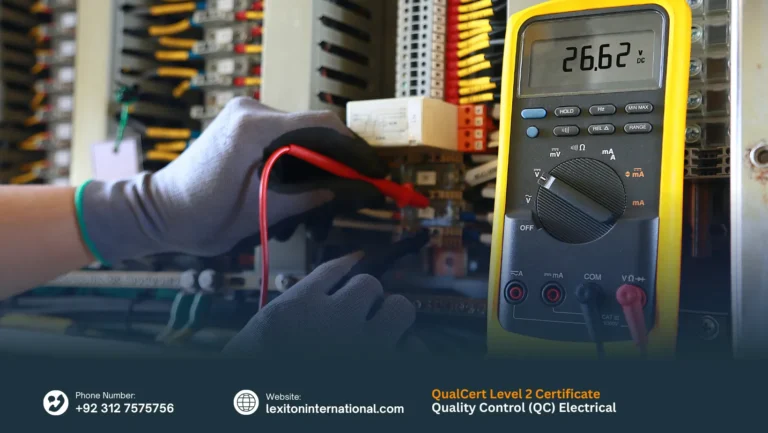
- Use testing instruments and diagnostic tools effectively to detect defects, verify specifications, and ensure operational integrity.
- Interpret test data accurately and document results in a structured and professional manner.
- Conduct inspections at various stages of production, installation, and maintenance to ensure ongoing compliance with quality standards.
- Recommend corrective actions based on inspection findings to support continuous improvement and defect prevention.
Quality Control for Electrical Components and Systems
- Apply systematic Quality Control practices to monitor and maintain the quality of electrical components, assemblies, and complete systems.
- Implement inspection checkpoints throughout the production cycle to prevent defects and ensure consistent product reliability.
- Develop and execute QC plans that include sampling methods, acceptance criteria, and monitoring procedures.
- Identify root causes of quality issues and propose corrective and preventive actions to enhance product performance.
- Coordinate QC activities with engineering, production, and procurement teams to maintain alignment with quality objectives.
Statistical Analysis and Data Interpretation in Electrical QA/QC
- Understand the role of statistical tools in monitoring, controlling, and improving electrical product quality.
- Analyze inspection and testing data to identify trends, variations, and potential quality risks.
- Use statistical methods such as control charts, sampling techniques, and capability analysis to support decision‑making.
- Interpret data-driven insights to recommend improvements in processes, materials, and system performance.
- Apply statistical thinking to enhance the accuracy, reliability, and efficiency of QA/QC operations.
Documentation and Reporting in Electrical Quality Assurance
- Apply best practices for documenting QA/QC activities, inspection results, and testing procedures in accordance with industry standards.
- Maintain accurate, organized, and traceable records essential for audits, compliance checks, and continuous improvement initiatives.
- Prepare clear and concise QA/QC reports that effectively communicate findings, non‑conformities, and recommended actions.
- Understand the importance of documentation in ensuring accountability, transparency, and regulatory compliance.
- Use documentation tools and templates to streamline reporting and support efficient quality management workflows.
Learners best suited for this qualification are individuals who are motivated to build strong technical, analytical, and inspection‑based skills within the electrical QA/QC field. The ideal participant is someone who values precision, safety, and continuous improvement in engineering environments.
Aspiring Electrical QA/QC Professionals
- Individuals seeking to enter the electrical quality field with a structured and industry‑aligned qualification
- Learners who want to understand inspection, testing, and compliance processes in electrical systems
- Those aiming to build confidence in applying QA/QC methods in real‑world engineering environments
- People who prefer practical, hands‑on learning supported by technical theory
- Learners motivated to contribute to safe, reliable, and compliant electrical operations
Technicians and Supervisors in Electrical Roles
- Electrical technicians who want to enhance their quality control and inspection capabilities
- Supervisors responsible for monitoring electrical work quality and ensuring compliance
- Individuals involved in installation, maintenance, or testing of electrical systems
- Professionals seeking to strengthen their understanding of standards and regulatory requirements
- Those aiming to improve documentation, reporting, and quality monitoring practices
Engineering Support Staff
- Individuals assisting engineers in production, testing, or maintenance environments
- Staff involved in preparing technical reports, inspection records, or compliance documentation
- Team members who support quality audits, equipment verification, or defect analysis
- Those who want to improve their ability to identify non‑conformities and recommend improvements
- Learners who wish to develop stronger communication and coordination skills within QA/QC teams
Professionals Transitioning into Quality Roles
- Workers from related technical fields looking to shift into electrical QA/QC positions
- Individuals seeking a structured pathway to understand quality frameworks and inspection methods
- People aiming to build foundational knowledge before taking on more advanced QA/QC responsibilities
- Those who want to strengthen their analytical and problem‑solving skills
- Learners motivated to contribute to organizational quality improvement initiatives
Individuals Focused on Career Growth
- Learners who want to enhance their professional profile with a recognized technical qualification
- Individuals aiming to increase employability in engineering, manufacturing, or industrial sectors
- People who value continuous learning and skill development
- Those seeking to build credibility in quality‑related roles
- Learners committed to maintaining high standards of safety, reliability, and compliance
Safety‑Conscious and Detail‑Oriented Individuals
- People who naturally pay attention to detail and accuracy in technical tasks
- Individuals who prioritize safety and compliance in electrical work environments
- Learners who enjoy structured processes, checklists, and systematic inspections
- Those who are comfortable analyzing data and identifying improvement opportunities
- Individuals motivated to ensure high‑quality outcomes in every stage of electrical operations
Overall, the ideal learner is someone who values precision, safety, and professional growth, and is ready to develop strong QA/QC capabilities within the electrical engineering field.
Learners who complete this qualification will be well‑positioned to advance their skills, responsibilities, and professional opportunities within the electrical QA/QC sector. This course provides a strong foundation for further technical development, specialized certifications, and expanded roles in quality management.
Progression into Advanced QA/QC Roles
- Opportunities to take on more specialized inspection and testing responsibilities
- Ability to support advanced quality planning and defect‑prevention strategies
- Increased readiness for roles involving system audits and compliance verification
- Enhanced capability to contribute to continuous improvement initiatives
- Stronger positioning for supervisory or lead QA/QC responsibilities
Specialized Electrical Quality Certifications
- Eligibility to pursue higher‑level QA/QC certifications focused on electrical systems
- Opportunities to specialize in inspection, testing, or compliance‑based certifications
- Ability to expand knowledge in areas such as equipment calibration or advanced diagnostics
- Strengthened foundation for certifications related to electrical safety and system reliability
- Improved readiness for industry‑recognized quality assurance credentials
Progression into Technical and Inspection‑Focused Diplomas
- Pathway to enroll in advanced diplomas related to electrical inspection and testing
- Opportunities to deepen knowledge in electrical system design, maintenance, or troubleshooting
- Ability to pursue specialized diplomas in quality management
- Enhanced capability to handle complex inspection tasks in industrial environments
- Stronger foundation for technical diplomas that expand engineering competencies
Growth into Quality Management Support Roles
- Ability to assist in developing quality plans, procedures, and documentation systems
- Opportunities to support internal audits and compliance monitoring activities
- Increased involvement in root‑cause analysis and corrective action planning
- Enhanced readiness to coordinate with engineering, production, and safety teams
- Strengthened capability to contribute to organizational quality improvement programs
Expansion into Industry‑Specific QA/QC Areas
- Opportunities to specialize in sectors such as manufacturing, construction, utilities, or industrial plants
- Ability to adapt QA/QC skills to different electrical environments and operational needs
- Increased readiness to work with sector‑specific standards and inspection requirements
- Enhanced capability to support quality operations in high‑risk or high‑precision industries
- Stronger positioning for roles requiring specialized electrical quality expertise
Development Toward Technical Leadership
- Ability to guide junior technicians and support staff in quality‑related tasks
- Opportunities to contribute to training, mentoring, or quality awareness programs
- Increased involvement in planning and implementing quality improvement strategies
- Enhanced readiness for leadership roles within QA/QC teams
- Strengthened professional credibility through advanced technical and quality skills
Overall, this qualification opens multiple pathways for learners to grow professionally, pursue advanced certifications, and take on more specialized or leadership‑oriented roles within the electrical QA/QC field.
Curious About This Course?