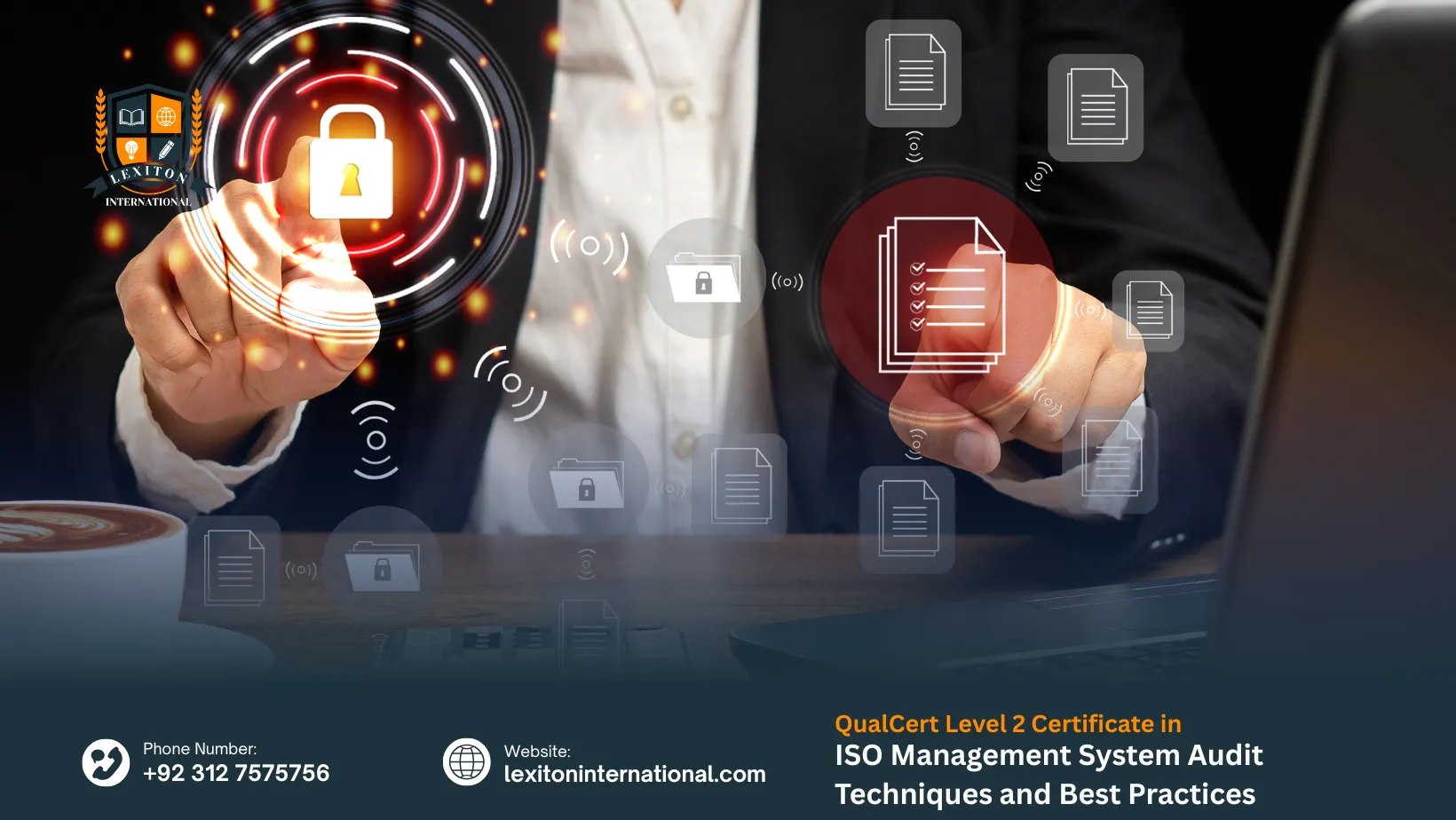
The QualCert Level 2 Certificate in ISO Management System Audit Techniques and Best Practices is designed as an intermediate qualification for learners who have a basic understanding of ISO standards and wish to strengthen their auditing skills. This program bridges foundational knowledge with more advanced applications, enabling participants to confidently plan, conduct, and report audits in alignment with international best practices. It emphasizes practical learning, structured methodologies, and professional conduct, preparing learners to contribute effectively to organizational compliance and improvement.
The course provides a detailed exploration of ISO management system frameworks, focusing on audit planning, evidence collection, and reporting techniques. Learners will gain insight into the audit cycle, risk-based approaches, and the role of auditors in ensuring compliance with ISO standards such as ISO 9001, ISO 14001, and ISO 45001. Through case studies and guided exercises, participants will learn how to apply audit principles in real-world contexts, ensuring accuracy, transparency, and professionalism in their work. The program also highlights the importance of communication and ethical conduct, equipping learners with the skills to interact effectively with auditees and stakeholders.
Beyond technical knowledge, the certificate emphasizes the development of analytical, organizational, and leadership skills that are essential for career progression in auditing and compliance. Learners will explore advanced reporting methods, non-conformance identification, and corrective action processes, ensuring they can support organizations in achieving continual improvement. By the end of the program, participants will be prepared to take on more complex audit responsibilities, progress into supervisory roles, or pursue higher-level qualifications in ISO management system auditing.
To ensure learners are prepared for the intermediate level of this program, the following entry requirements apply:
- Age Requirements Applicants must be at least 19 years old at the time of enrollment, ensuring maturity and readiness for professional learning.
- Qualification Requirements A prior certificate or training in auditing, compliance, or a related field is recommended to demonstrate foundational knowledge.
- Professional Experience Learners should have some exposure to organizational processes, compliance activities, or quality assurance, even if not in a formal audit role.
- Educational Background Applicants should have completed secondary education and preferably hold post-secondary qualifications in business, management, or technical studies.
- Proficiency in English Learners must be able to read, write, and communicate effectively in English, since all course materials, discussions, and assessments are delivered in this language.
- Access to Computer and Internet Applicants should have reliable access to a computer and internet connection, as the program may involve online resources, assignments, and communication.
Mandatory Units
This certificate is designed to strengthen learners’ intermediate knowledge and skills in ISO management system auditing. By completing the program, participants will be able to apply structured audit techniques, prepare documentation, identify nonconformities, and contribute to organizational compliance and continual improvement with confidence.
Overview of ISO Standards and Audit Principles
- Understand the structure, purpose, and global relevance of ISO management system standards such as ISO 9001, ISO 14001, and ISO 45001.
- Explain the fundamental principles of auditing, including integrity, objectivity, impartiality, and evidence-based reporting.
- Recognize the role of audits in supporting compliance, organizational accountability, and continual improvement.
- Evaluate how ISO standards contribute to efficiency, customer satisfaction, and international competitiveness.
- Appreciate the importance of aligning audits with organizational goals and stakeholder expectations.
Audit Planning and Preparation Techniques
- Demonstrate the ability to develop effective audit plans and schedules that align with organizational priorities.
- Identify audit objectives, scope, and criteria in accordance with ISO guidelines.
- Prepare necessary documentation, tools, and resources to ensure audit readiness.
- Communicate with auditees in advance to clarify expectations and build cooperation.
- Recognize how structured planning improves audit efficiency, accuracy, and professionalism.
Conducting Audits and Evidence Collection
- Apply appropriate audit techniques such as interviews, observations, and document reviews.
- Gather objective evidence that aligns with audit criteria and ISO requirements.
- Assess compliance and performance against established standards and organizational processes.
- Demonstrate professionalism during on-site activities, ensuring transparency and respect.
- Understand how evidence-based auditing supports reliable findings and organizational improvement.
Identifying and Managing Nonconformities
- Detect and classify nonconformities accurately during the audit process.
- Record findings with clarity, consistency, and adherence to ISO documentation standards.
- Understand how to escalate nonconformities and engage with process owners for resolution.
- Recommend corrective actions that address root causes and prevent recurrence.
- Appreciate the role of nonconformity management in driving continual improvement.
Audit Reporting, Corrective Actions, and Follow-up
- Prepare comprehensive audit reports that meet ISO 19011 guidelines and organizational requirements.
- Recommend appropriate corrective and preventive actions to address identified issues.
- Plan and implement follow-up audits to verify the effectiveness of corrective measures.
- Communicate findings clearly to stakeholders, ensuring transparency and accountability.
- Recognize how effective reporting and follow-up strengthen organizational compliance and credibility.
This certificate is designed for learners and professionals who want to strengthen their auditing knowledge and progress beyond the basics of ISO management system standards. It is suitable for individuals seeking career growth, organizational impact, and internationally relevant skills in compliance and quality assurance.
Aspiring Auditors and Compliance Professionals
- Individuals who have completed introductory training in auditing or ISO standards.
- Learners aiming to progress into intermediate-level auditing responsibilities.
- Those motivated to build credibility in compliance and organizational governance.
- People preparing for roles that involve structured audit planning and reporting.
- Professionals seeking a recognized qualification to enhance their career profile.
Quality Assurance and Operations Staff
- Employees working in quality assurance or operational departments across industries.
- Staff members responsible for monitoring compliance and reporting findings.
- Individuals seeking to refine their audit preparation and evidence collection skills.
- Professionals aiming to contribute to organizational improvement initiatives.
- Those preparing to take on greater responsibility in compliance management.
Supervisors and Team Leaders
- Team leaders who oversee compliance processes and need intermediate audit knowledge.
- Supervisors aiming to strengthen accountability and transparency in their teams.
- Professionals tasked with managing audit activities and reporting outcomes.
- Individuals seeking to improve leadership and communication skills in audit contexts.
- Those preparing to guide junior auditors and support organizational compliance.
Career Changers and Professionals Expanding Skills
- Individuals transitioning into auditing, compliance, or management roles.
- Professionals from other fields who want to diversify their career options.
- Learners motivated to pursue internationally recognized qualifications.
- People aiming to enhance employability through intermediate audit training.
- Those seeking structured progression into advanced ISO auditing areas.
Organizations Supporting Staff Development
- Companies investing in employee training for compliance and quality assurance.
- Employers preparing staff for external certification audits.
- HR departments aiming to build internal audit capacity.
- Organizations committed to continuous improvement and customer satisfaction.
- Businesses seeking to strengthen credibility and competitiveness through ISO compliance.
This course is ideal for professionals and organizations seeking intermediate expertise in ISO auditing, offering a pathway to career advancement, specialization, and international recognition.
Completing the QualCert Level 2 Certificate in ISO Management System Audit Techniques and Best Practices opens multiple academic, professional, and organizational pathways for learners to advance their careers and knowledge.
Academic Progression
- Opportunity to pursue higher-level certificates or diplomas in auditing and compliance.
- Access to advanced qualifications in ISO management systems.
- Foundation for progression into postgraduate certifications in quality management.
- Recognition as a stepping stone toward professional certifications.
Professional Career Growth
- Entry into roles such as compliance officer or audit assistant.
- Enhanced employability across industries requiring ISO compliance.
- Opportunities to progress into supervisory or team leader positions.
- Development of transferable skills applicable in multiple sectors.
- Increased credibility in organizational governance and quality assurance.
Industry-Specific Opportunities
- Career advancement in manufacturing, construction, healthcare, and service industries.
- Ability to support organizations preparing for certification audits.
- Opportunities to specialize in industry-specific ISO standards.
- Recognition as a valuable contributor to organizational compliance.
- Potential to move into advisory or consultancy roles.
Organizational Progression
- Ability to take on greater responsibility in internal audit teams.
- Contribution to organizational improvement and risk management.
- Opportunities to lead audit projects under supervision.
- Recognition as a trusted resource for compliance monitoring.
- Pathway to senior roles in quality assurance departments.
International Opportunities
- Qualification recognized across industries worldwide.
- Ability to work in multinational organizations with ISO compliance needs.
- Opportunities to participate in global audit projects.
- Enhanced mobility for career growth across borders.
- Foundation for building an internationally relevant career profile.
Personal Development and Lifelong Learning
- Strengthened confidence in professional communication and reporting.
- Improved analytical and problem-solving skills.
- Development of ethical awareness and professional conduct.
- Motivation to pursue continuous learning in auditing and compliance.
- Ability to adapt to evolving industry standards and practices.
Graduates of this certificate will be well-positioned to advance academically, professionally, and personally, with clear pathways into higher qualifications, career growth, and international opportunities in ISO management system auditing.
Curious About This Course?