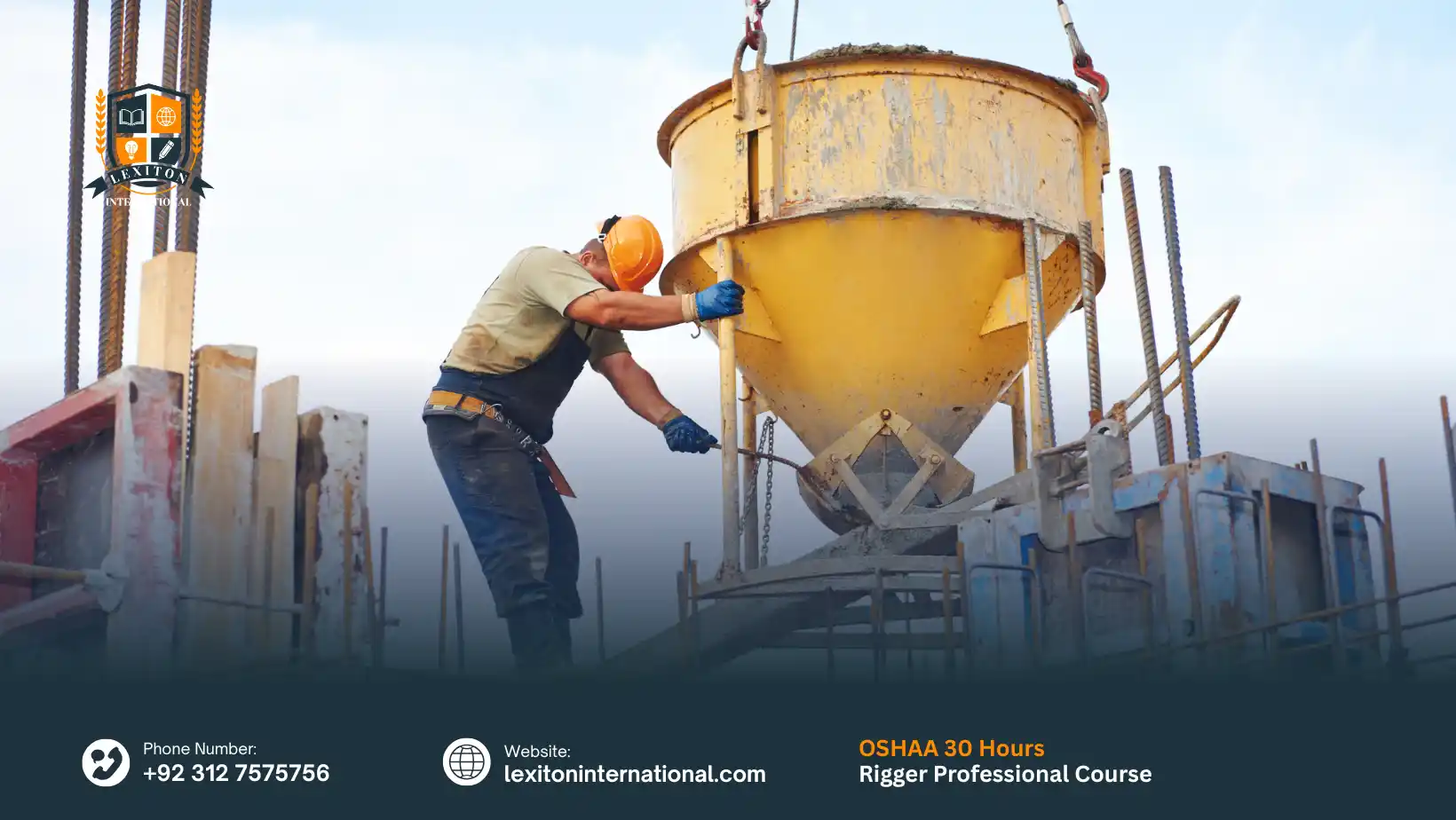
Professional Rigger Course 30 Hour Training
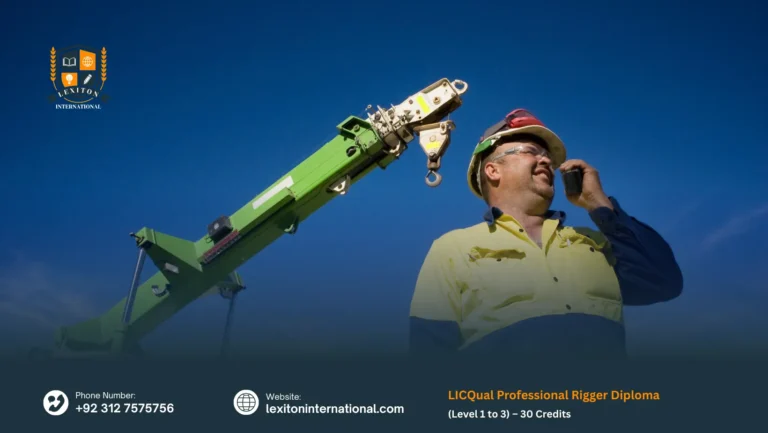
A rigger is a trained professional responsible for safely moving, lifting, and securing heavy loads using cranes, hoists, and lifting equipment in construction and industrial environments. Their role is critical in ensuring that all lifting operations are carried out safely and efficiently, reducing the risk of accidents and equipment damage. Rigging professionals work closely with crane operators and site teams to ensure proper load balance and secure lifting procedures.
The OSHAA Rigger Professional Course (30 Hours) is designed to provide learners with essential knowledge and practical skills required for safe rigging operations. The course covers key topics such as lifting techniques, load calculations, equipment inspection, signal communication, and safety procedures. Learners will also gain understanding of risk assessment, legal safety standards, and proper use of rigging tools and equipment in workplace environments.
Upon completion, learners will be prepared for entry-level roles in construction sites, shipping yards, oil and gas industries, and industrial operations where lifting activities are carried out. This course helps improve job readiness by developing technical skills, safety awareness, and teamwork abilities. It is ideal for individuals who want to start a career in rigging or enhance their existing knowledge in lifting operations and site safety management.
- Age Requirement: Applicants must be at least 18 years old to ensure maturity, responsibility, and readiness for professional-level safety training responsibilities.
- Professional Experience: No previous experience is required to join this course. However, individuals with construction or site experience may find it easier to understand practical concepts.
- Educational Background: A basic secondary school education or equivalent is recommended. No advanced qualifications are required, but understanding basic instructions is important.
- Language Proficiency: Participants should have a good command of English to communicate effectively, deliver training sessions, and understand course materials.
Mandatory Units
Skills You Will Gain
Introduction to Rigging and Safety Protocols (4 Hours)
- Develop a comprehensive understanding of rigging principles and safety protocols essential for lifting operations
- Recognize common hazards and implement preventive measures to reduce risks
- Understand the responsibilities and roles of riggers in maintaining a safe work environment
- Build foundational knowledge to integrate safety standards into all rigging activities
Rigging Equipment and Tools (5 Hours)
- Identify, select, and inspect rigging equipment and tools used in lifting operations
- Understand load capacities, limitations, and proper handling techniques for slings, shackles, hoists, and other tools
- Apply best practices for equipment maintenance and safety checks to prevent failure and accidents
- Match the correct equipment to specific lifting tasks while ensuring regulatory compliance
Load Calculations and Weight Distribution (4 Hours)
- Calculate load weights and assess proper weight distribution for safe lifting operations
- Understand principles of center of gravity, load balancing, and mechanical advantage
- Apply practical methods to prevent overloading, equipment damage, and workplace accidents
- Strengthen decision-making skills for safe and efficient lift planning
Basic and Advanced Rigging Techniques (5 Hours)
- Master fundamental rigging methods including knotting, hitching, and securing loads
- Apply advanced techniques for complex lifts involving multiple points or unusual loads
- Integrate safety checks and procedural protocols to minimize risk
- Adapt rigging strategies to dynamic operational requirements
Risk Assessment and Hazard Identification (4 Hours)
- Identify potential hazards in lifting and rigging operations
- Conduct risk assessments to evaluate probability and severity of accidents
- Implement corrective measures and safe work practices
- Enhance situational awareness and proactive safety management
Legal Regulations and Compliance in Rigging (5 Hours)
- Acquire detailed knowledge of OSHA standards and other regulatory requirements
- Understand legal responsibilities of riggers and management in workplace safety
- Apply compliance strategies to daily operations, documentation, and reporting
- Maintain regulatory adherence while optimizing operational efficiency
Communication and Coordination in Rigging Operations (3 Hours)
- Develop effective communication skills to coordinate lifting operations with team members and crane operators
- Learn standardized signaling techniques and verbal protocols for safe load handling
- Enhance teamwork and situational coordination to prevent miscommunication-related incidents
- Build leadership abilities to guide safe and efficient rigging activities
Completing the OSHAA Rigger Professional Course 30 Hours ensures participants are fully prepared to lead lifting operations with confidence, implement rigorous safety measures, maintain compliance with regulatory standards, and cultivate a strong safety culture. Graduates of this course will possess advanced technical skills, operational expertise, and the leadership competencies necessary to enhance workplace safety, reduce accidents, and drive efficiency across all rigging and lifting operations.
This course is designed for individuals who want to work in lifting, rigging, and heavy load handling operations within construction, oil and gas, shipping, and industrial environments. It is also suitable for those who wish to start a career in rigging or improve their practical knowledge of safe lifting procedures and equipment handling.
Who Is This Course For
- Individuals interested in rigging and lifting operations
- Workers involved in construction or industrial site activities
- Beginners who want to start a career as a rigger or lifting assistant
- Construction labourers looking to develop technical safety skills
- Warehouse or industrial workers handling heavy loads and equipment
- Individuals aiming to improve their knowledge of workplace lifting safety
This qualification provides a strong foundation for anyone looking to enter the rigging and lifting industry. It helps learners develop practical skills, improve safety awareness, and prepare for future job opportunities in construction and industrial sectors.
After completing the OSHAA Rigger Professional Course (30 Hours), learners can progress into various skilled roles and advanced training opportunities within construction, oil and gas, shipping, and industrial lifting sectors. This qualification builds essential rigging knowledge and practical safety skills, helping learners move toward more responsible and technical positions.
Future Progression
- Progress to advanced rigging and lifting operations certification courses
- Apply for roles such as rigger, lifting assistant, or rigging technician
- Work in construction sites, ports, shipping yards, and industrial facilities
- Develop skills for crane operations support and lifting supervision roles
- Continue further health and safety or lifting specialist training programs
- Gain experience leading toward supervisory positions in rigging operations
This course provides a strong starting point for building a professional career in rigging and lifting operations. It helps learners improve technical skills, increase employability, and create a clear pathway for long-term growth in industrial and construction safety roles.
Curious About This Course?