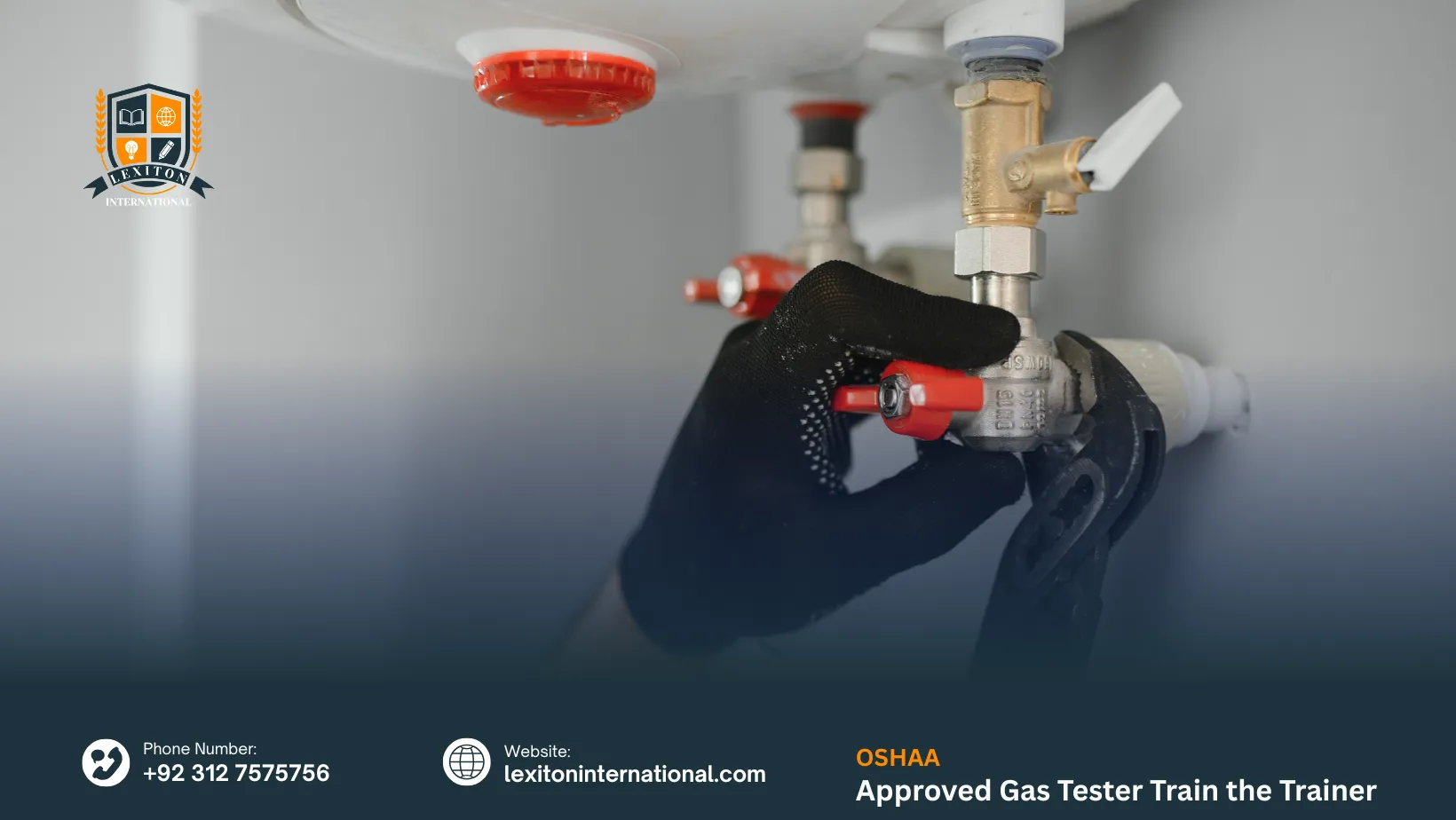
The OSHAA Approved Gas Tester Train the Trainer course is designed to prepare professionals with the technical expertise and instructional skills required to conduct gas testing safely and to train others in this critical area of occupational safety. This program emphasizes the importance of gas detection in hazardous environments, equipping learners with the knowledge to identify risks, operate testing equipment, and ensure compliance with safety standards. By combining technical training with advanced teaching methodologies, participants are empowered to become both competent gas testers and effective trainers who can transfer their expertise to others in the workplace.
This course provides a comprehensive overview of gas testing practices, focusing on the principles of gas detection, monitoring techniques, and the safe use of testing equipment. Learners will explore the procedures for identifying hazardous gases, interpreting readings, and implementing corrective actions to maintain safe working conditions. Practical exercises and case studies are integrated to strengthen problem-solving skills and ensure participants can apply their knowledge in real-world scenarios. The program also highlights the importance of documentation, reporting, and adherence to international safety standards, ensuring learners are prepared to uphold compliance across diverse industries.
Beyond technical training, the course emphasizes the role of trainers in building safety awareness and competence among workers. Participants will gain skills in curriculum design, facilitation, and learner engagement, enabling them to deliver impactful training sessions tailored to different audiences. By mastering both gas testing and training techniques, graduates of this program will be able to lead safety initiatives, educate teams effectively, and contribute to the development of a strong workplace safety culture. This dual focus ensures that learners not only safeguard their own environments but also empower others to adopt best practices in gas testing and hazard prevention.
To ensure participants are fully prepared to benefit from the OSHAA Approved Gas Tester Train the Trainer course, specific entry requirements have been established. These criteria maintain the quality of learning and ensure learners have the necessary background, skills, and commitment to succeed in both technical and training roles.
- Age Requirements: Applicants must be at least 21 years old to enroll, ensuring maturity and readiness for professional-level training.
- Qualification Requirements: A recognized diploma or equivalent certification in occupational safety, engineering, or technical fields is required.
- Professional Experience: Candidates should have a minimum of two years of relevant work experience in safety management, gas testing, or industrial operations.
- Educational Background: A strong foundation in science, engineering, or technical studies is preferred to support understanding of gas detection principles.
- Language Proficiency: Learners must demonstrate proficiency in English, as course materials, discussions, and assessments are conducted in this language.
- Commitment to Professional Development: Applicants should show a clear interest in advancing workplace safety culture and a willingness to train others effectively.
Mandatory Units
The Learning Outcomes of the OSHAA Approved Gas Tester Train the Trainer course are designed to provide participants with advanced technical skills, regulatory compliance knowledge, and leadership abilities essential for delivering effective safety training. By focusing on both theoretical principles and practical applications, this course ensures that learners are fully prepared to educate others, uphold compliance standards, and contribute to safer workplace environments.
Introduction to Gas Testing
- Gain a comprehensive understanding of the principles, objectives, and scope of gas testing in industrial settings.
- Identify the role of gas testing in maintaining workplace safety, compliance, and operational efficiency.
- Develop the ability to explain the importance of gas testing to diverse audiences with clarity and authority.
- Learn how gas testing contributes to hazard prevention and supports organizational safety culture.
- Acquire skills to connect gas testing practices with broader occupational health and safety goals.
Safety Regulations and Compliance
- Acquire detailed knowledge of OSHA standards, industry regulations, and international best practices related to gas testing.
- Understand legal responsibilities and compliance obligations for both trainers and workers.
- Learn how to integrate regulatory requirements into effective gas testing training programs.
- Gain the ability to interpret regulatory frameworks and communicate them effectively to learners.
- Develop strategies to ensure training aligns with organizational compliance objectives.
Gas Detection Equipment
- Master the correct use, calibration, and maintenance of gas detection devices.
- Evaluate different types of gas detection equipment and their suitability for specific environments.
- Gain the ability to train others in the safe and accurate operation of gas detection tools.
- Learn troubleshooting techniques to address common equipment issues during testing.
- Understand how to document and report equipment performance for compliance purposes.
Hazard Recognition and Risk Management
- Identify common hazardous gases, their properties, and the risks they pose in various industries.
- Develop strategies for assessing gas-related hazards and implementing control measures.
- Learn to teach proactive risk management techniques to minimize exposure and prevent incidents.
- Acquire skills to conduct hazard assessments and communicate findings effectively.
- Understand how to integrate risk management into organizational safety policies.
Designing Effective Training Programs
- Develop structured training plans that align with organizational needs and regulatory standards.
- Apply instructional design principles to create engaging and outcome-driven training content.
- Ensure training programs support compliance while fostering a culture of safety awareness.
- Learn to incorporate case studies, simulations, and practical exercises into training delivery.
- Gain the ability to evaluate training effectiveness and adjust content accordingly.
Training Delivery Techniques
- Practice advanced presentation and facilitation skills for engaging diverse learners.
- Learn how to adapt delivery techniques to different workplace contexts and learner needs.
- Gain the ability to assess participant understanding and adjust training approaches accordingly.
- Acquire skills to manage group dynamics and encourage active participation.
- Develop confidence in delivering technical content with clarity and authority.
Communication and Leadership Skills
- Strengthen interpersonal communication skills to effectively convey complex safety concepts.
- Build leadership qualities that inspire trust, accountability, and active participation in safety programs.
- Learn how to motivate and mentor others to adopt safe practices consistently.
- Gain skills in conflict resolution and managing challenging training situations.
- Develop the ability to lead by example and foster a culture of responsibility.
Emergency Preparedness and Response
- Understand the role of gas testing in emergency planning and response procedures.
- Learn to train workers in recognizing warning signs, initiating responses, and using emergency equipment.
- Develop skills to coordinate with teams and organizations during gas-related emergencies.
- Acquire knowledge of emergency communication protocols and response strategies.
- Gain the ability to integrate gas testing into broader emergency preparedness frameworks.
Evaluation and Continuous Improvement
- Acquire methods for assessing the effectiveness of training programs and learner performance.
- Learn how to collect feedback and apply it to refine training delivery and content.
- Develop a mindset of continuous improvement to maintain high safety and compliance standards.
- Gain skills in monitoring long-term training impact within organizations.
- Understand how to align evaluation outcomes with organizational safety objectives.
By completing the OSHAA Approved Gas Tester Train the Trainer course, participants will emerge as highly skilled safety trainers capable of leading gas testing initiatives with confidence. They will be equipped to uphold compliance, reduce workplace risks, and establish a culture of safety that protects workers, supports organizational success, and aligns with global best practices in occupational safety and health.
The ideal learner for the OSHAA Approved Gas Tester Train the Trainer course is a professional who combines technical expertise with a strong commitment to workplace safety and the ability to educate others. This program is designed for individuals who are ready to take on leadership roles in gas testing and training, ensuring compliance and fostering a culture of safety.
Professional Background
- Experienced in occupational safety, industrial operations, or compliance management
- Familiar with gas testing procedures and workplace hazard identification
- Engaged in roles requiring responsibility for worker safety and risk management
- Comfortable working in environments where hazardous gases may be present
- Demonstrates reliability and accountability in professional practice
Educational Foundation
- Holds a diploma or certification in safety, engineering, or technical fields
- Possesses strong analytical and problem-solving skills for hazard assessment
- Understands scientific and technical concepts related to gas detection and monitoring
- Capable of interpreting safety regulations and applying them to workplace contexts
- Shows readiness to expand knowledge through structured training programs
Leadership and Communication Skills
- Confident in leading teams and managing group dynamics during training sessions
- Skilled in delivering clear and persuasive communication to diverse audiences
- Able to facilitate discussions and encourage active participation in safety programs
- Demonstrates adaptability in addressing different learner needs and workplace contexts
- Maintains authority while fostering collaboration and respect among participants
Commitment to Training and Development
- Passionate about educating others and sharing technical expertise
- Interested in designing and delivering impactful training sessions on gas testing
- Motivated to improve organizational safety culture through knowledge transfer
- Willing to adapt training methods to suit different learner groups and industries
- Dedicated to continuous improvement in training delivery and outcomes
Ethical and Professional Values
- Upholds high standards of integrity and accountability in both auditing and training
- Respects confidentiality and organizational interests during safety assessments
- Models professional behavior that builds trust and credibility
- Promotes fairness, transparency, and ethical decision-making in safety practices
- Committed to fostering a safe and responsible workplace environment
Global and Future-Oriented Perspective
- Aware of international safety standards and their global significance
- Interested in emerging trends in gas detection and hazard management
- Prepared to adapt to evolving regulatory and industry requirements
- Seeks to integrate sustainability and innovation into safety practices
- Values foresight and proactive planning for organizational resilience
The ideal learner for this course is a professional who blends technical knowledge, leadership ability, and a passion for training. Such individuals are well-positioned to become safety leaders who protect workers, strengthen compliance, and inspire others to adopt best practices in gas testing.
The OSHAA Approved Gas Tester Train the Trainer course provides learners with a strong foundation for advancing their careers through specialized certifications, professional recognition, and expanded leadership opportunities. Graduates of this program can build upon their expertise to further strengthen their role in gas testing, compliance, and training.
Advanced Diplomas in Safety and Hazard Management
- Opportunities to pursue higher-level diplomas in occupational safety and hazard control
- Specialized programs focusing on risk management and industrial safety systems
- Diplomas that enhance credibility in international safety standards and practices
- Structured learning that deepens technical and managerial expertise
- Recognition that supports progression into senior safety leadership roles
Specialized Gas Testing Certifications
- Access to certifications in advanced gas detection and monitoring practices
- Programs that validate expertise in conducting complex gas testing procedures
- Certifications tailored to specific industries such as oil, gas, or manufacturing
- Recognition as a certified gas testing trainer with global applicability
- Enhanced authority in managing compliance and training teams
Trainer Development Pathways
- Opportunities to gain certifications in professional training and facilitation
- Programs that strengthen instructional design and delivery skills
- Recognition as a certified trainer in occupational safety and compliance
- Ability to expand training services across organizations and industries
- Development of advanced skills in coaching and mentoring future safety professionals
Industry-Specific Safety Certifications
- Specialized certifications in areas such as confined space safety or hazardous materials management
- Programs tailored to industry-specific compliance requirements and risks
- Recognition that enhances employability in specialized industrial sectors
- Opportunities to address unique hazards and regulatory frameworks
- Strengthened expertise in managing safety challenges in complex environments
International Recognition and Professional Memberships
- Eligibility for memberships in professional safety and auditing bodies
- Access to international networks of safety trainers and gas testing experts
- Recognition that supports global career mobility and opportunities
- Opportunities to contribute to international safety initiatives and standards development
- Enhanced credibility through association with recognized professional organizations
Leadership and Organizational Roles
- Progression into senior compliance and safety leadership positions
- Opportunities to lead organizational safety programs and training teams
- Recognition as a subject matter expert in gas testing and safety training
- Ability to influence organizational policies and strategic safety decisions
- Expanded career opportunities in consultancy, advisory, and leadership roles
The future progression of this course empowers learners to advance through specialized diplomas, certifications, and professional recognition. Graduates are equipped to take on higher responsibilities, expand their influence, and contribute to global safety and compliance excellence in gas testing and workplace hazard management.
Curious About This Course?