LICQual Level 3 Certificate in Specialty Pharmacy Guide
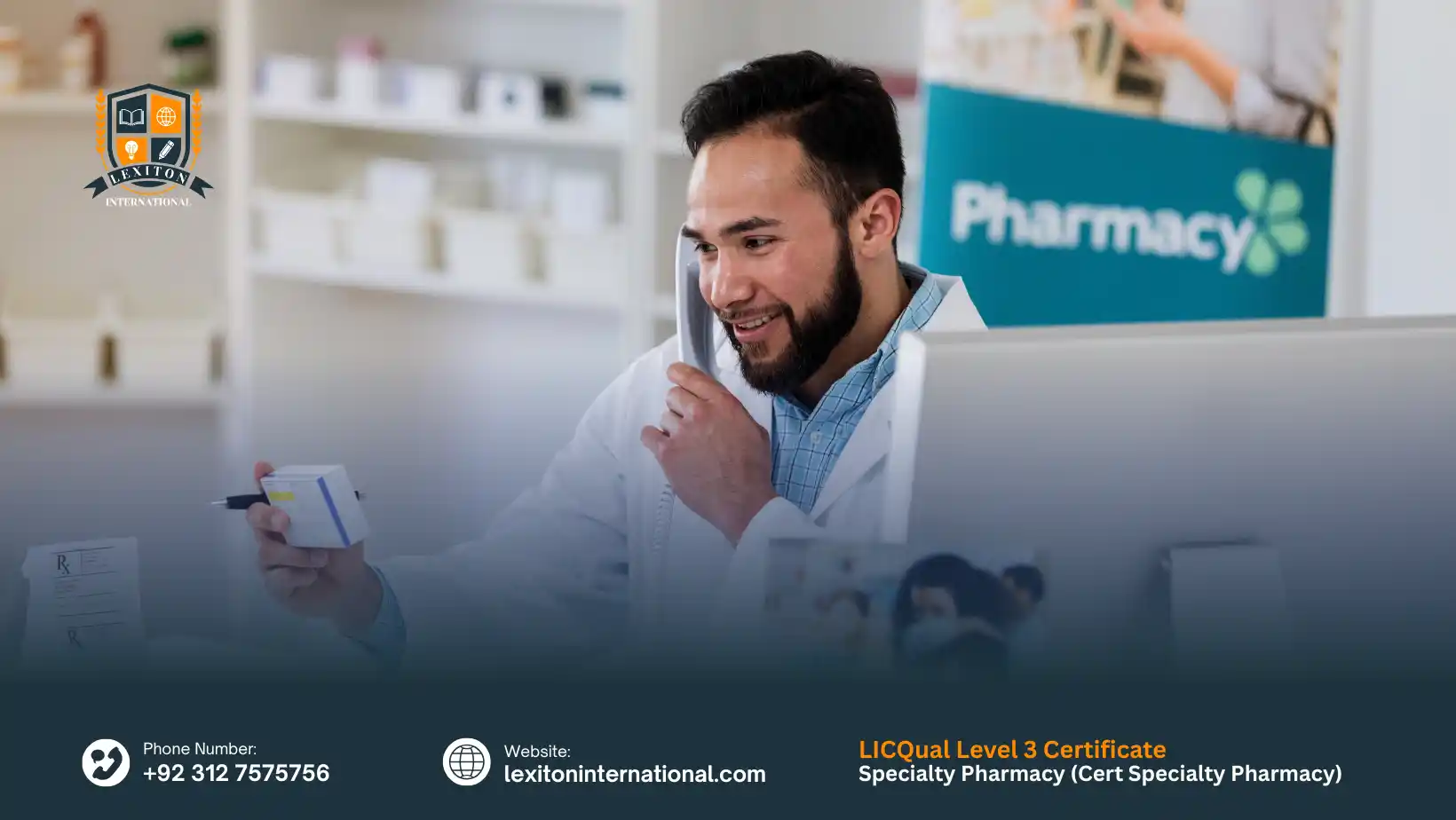
The LICQual Level 3 Certificate in Specialty Pharmacy (Cert Specialty Pharmacy) is a premier professional qualification designed to equip pharmacy staff with the advanced clinical expertise required for the complex medication market. Unlike traditional pharmacy roles, specialty pharmacy focuses on high-cost, high-touch biological therapies used to treat rare and chronic conditions. This program covers the essential principles of cold-chain logistics, patient financial assistance coordination, and intensive clinical monitoring, ensuring that practitioners can safely manage the intricate requirements of specialty drug therapy in modern healthcare settings.
In the 2026 healthcare era, the rapid growth of personalized medicine has made this certification an indispensable asset for any pharmacy professional. As medical systems shift toward specialized biological treatments, the responsibility for managing these high-risk medications falls on experts who can ensure patient safety and therapy adherence. This qualification addresses the urgent need for a highly skilled workforce capable of bridging the gap between pharmaceutical manufacturers and complex patient needs, making it a cornerstone for those dedicated to clinical excellence.
By enrolling in the LICQual Level 3 Certificate in Specialty Pharmacy (Cert Specialty Pharmacy), you are positioning yourself at the absolute forefront of the most profitable and fastest-growing sector in pharmacy. This course provides the technical framework necessary to solve the challenges of prior authorizations, specialty drug distribution, and patient education for life-altering therapies. Whether you are aiming to advance your current clinical standing or transition into a high-demand industry niche, this certification offers the prestige and practical skills needed to lead in the global specialty pharmacy landscape effectively.
- Age Requirements: Applicants must be 18 years or above at the time of enrollment.
- Professional Experience: While formal clinical experience is not strictly mandatory, individuals currently working as pharmacy assistants or in healthcare support roles will find the curriculum highly applicable.
- Educational Background: A minimum of a High School Diploma, Secondary School Certificate, or an equivalent Level 2 qualification is required. A basic foundation in science is highly recommended.
- English Language Proficiency: Learners must have good written and spoken English skills to engage effectively with course materials, reporting tasks, and communication in industrial settings.
Mandatory Units
Skills You Will Gain
Unit 1: Principles of Specialty Pharmacy Practice
- Understand the scope and role of specialty pharmacy in modern healthcare systems
- Demonstrate knowledge of the therapeutic areas commonly covered in specialty pharmacy
- Apply principles of quality assurance and risk management in pharmacy services
- Evaluate the impact of specialty pharmacy on patient outcomes and healthcare costs
Unit 2: Clinical Applications of Specialty Medicines
- Analyse the pharmacology, indications, and therapeutic value of specialty medicines
- Apply evidence-based approaches in the selection and monitoring of specialty treatments
- Demonstrate safe handling and administration procedures for high-risk medications
- Assess clinical case studies to support patient-centred therapeutic decisions
Unit 3: Regulatory Frameworks, Ethics, and Patient Safety in Specialty Pharmacy
- Understand international and national regulatory standards governing specialty pharmacy
- Apply ethical principles in pharmacy practice, including confidentiality and informed consent
- Evaluate strategies to minimise medication errors and improve patient safety
- Demonstrate compliance with professional codes of practice and legal requirements
Unit 4: Pharmaceutical Supply Chain and Logistics for Specialty Medicines
- Understand the logistics and distribution models for specialty pharmaceuticals
- Analyse the importance of cold chain management and secure storage practices
- Evaluate supply chain challenges, including shortages and counterfeit medicines
- Demonstrate knowledge of inventory control and demand forecasting in pharmacy operations
Unit 5: Patient-Centred Care and Counselling in Specialty Pharmacy
- Demonstrate effective communication and counselling techniques for diverse patient groups
- Apply strategies to improve patient adherence to complex therapy regimens
- Evaluate the role of pharmacists in multidisciplinary healthcare teams
- Understand the psychosocial aspects of patient care in specialty pharmacy
Unit 6: Research, Professional Development, and Emerging Trends in Specialty Pharmacy
- Understand the role of research and innovation in advancing pharmacy practice
- Critically evaluate new and emerging trends in specialty medicines and therapies
- Demonstrate reflective practice and commitment to lifelong learning and CPD
- Develop a professional development plan to enhance career growth in pharmacy
This specialized training is designed for healthcare professionals who want to move beyond basic dispensing and master the art of managing high-cost biological therapies. It bridges the gap between general pharmacy practice and the technical demands of specialty drug distribution.
Who Is This Course For?
- Aspiring Specialty Technicians: Individuals seeking a formal path into the high-cost medication market.
- Pharmacy Support Personnel: Staff looking to upgrade their skills to handle orphan drugs safely.
- Career Switchers: Medical professionals moving into the pharmaceutical supply chain sector.
- Healthcare Coordinators: Those managing complex therapy approvals and patient assistance programs.
- Compliance Officers: Professionals ensuring rigorous safety standards in high-risk medication handling.
- Retail Pharmacy Staff: Community employees aiming to broaden their clinical service offerings.
- International Learners: Students seeking a globally recognized credential for professional mobility.
This qualification creates a clear pathway for professional growth, allowing you to build a sustainable career in high-touch pharmaceutical services through specialized vocational training and leadership roles.
Future Progression
- Senior Specialty Lead: Take charge of specialty drug departments in major clinical networks.
- Clinical Account Manager: Coordinate between manufacturers and providers as a recognized expert.
- Specialized Professional Diplomas: Progress toward Level 4 or Level 5 vocational diplomas in therapeutics.
- Patient Access Manager: Lead teams that handle insurance navigation and medication assistance.
- Quality & Safety Supervisor: Oversee regulatory compliance and cold-chain integrity.
- Chronic Disease Consultant: Specialize in oncology, immunology, or rare genetic disorders.
- Specialty Operations Lead: Manage the logistical distribution and clinical workflows.
- Pharmaceutical Representative: Transition into industry roles with a deep technical understanding.
Curious About This Course?