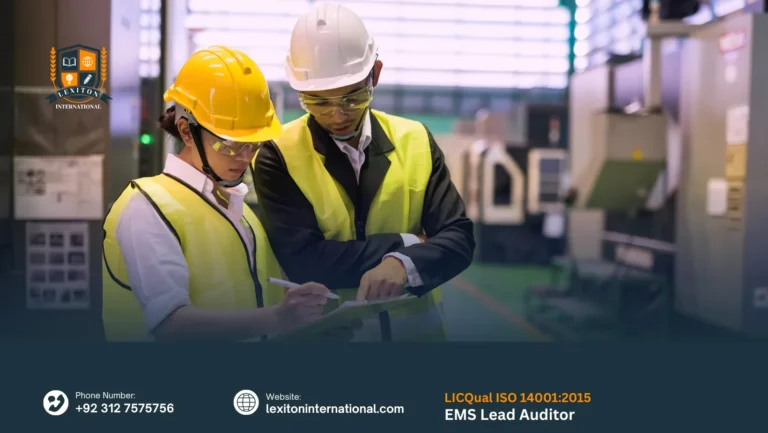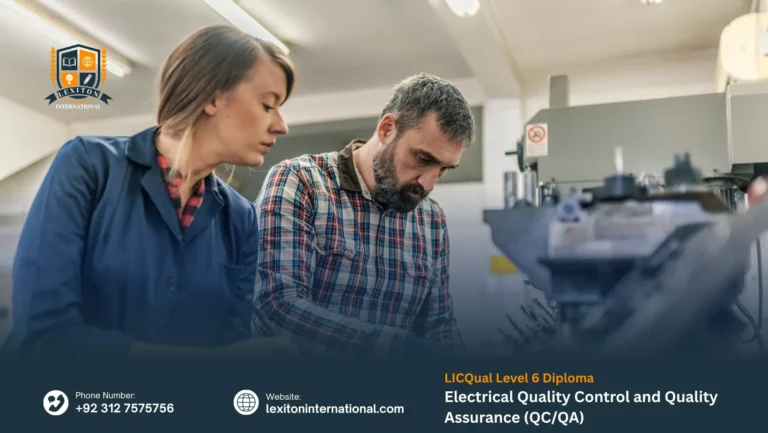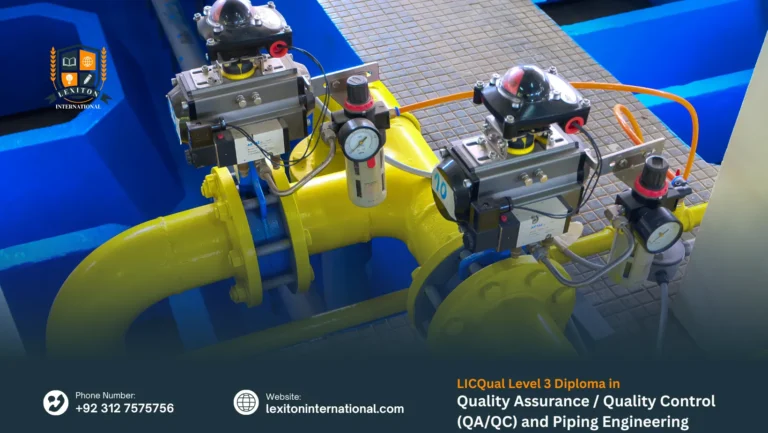
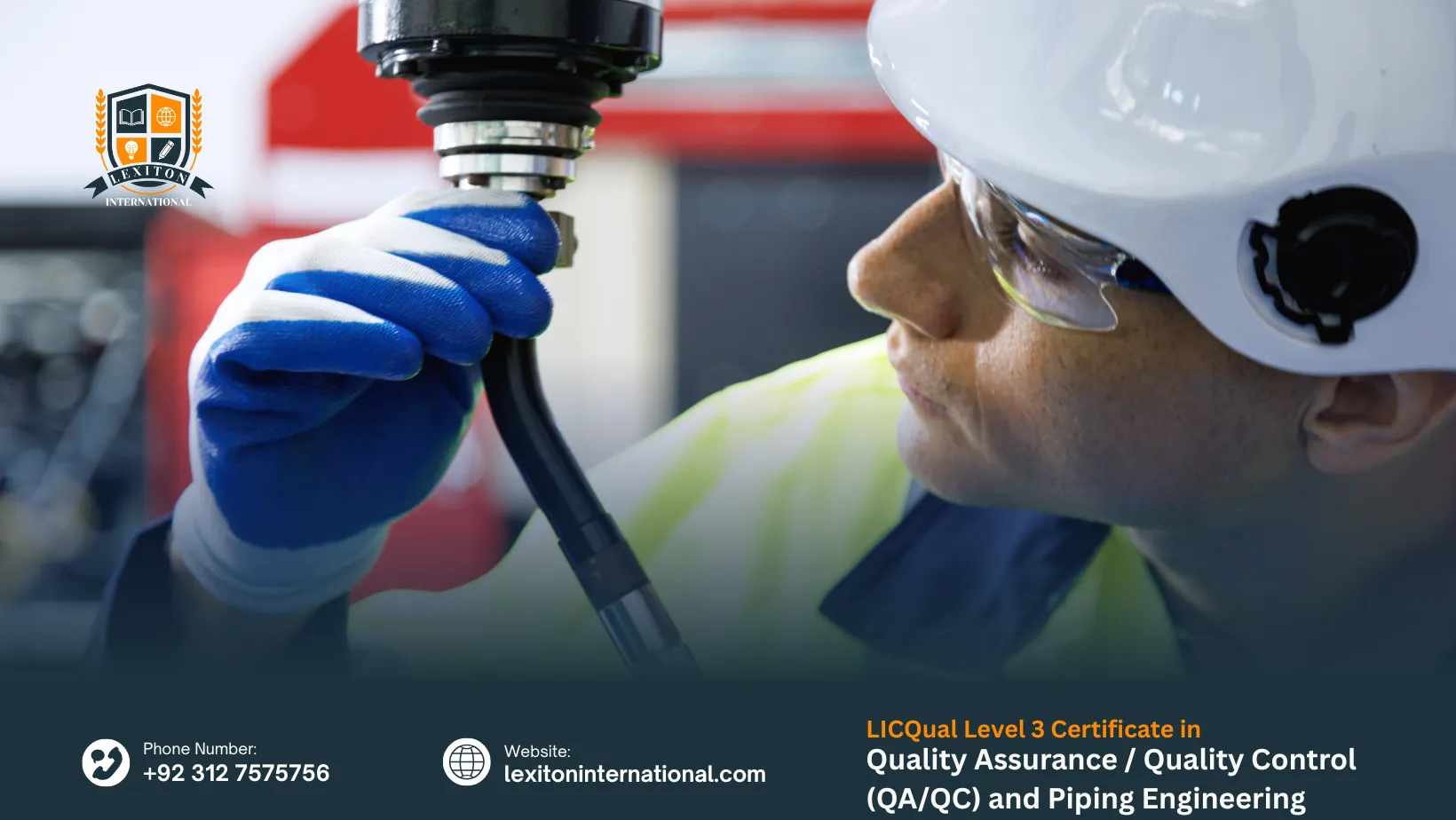
The LICQual Level 3 Certificate in Quality Assurance / Quality Control (QA/QC) and Piping Engineering is designed to provide learners with a strong foundation in the principles, practices, and technical applications of QA/QC within industrial piping systems. This course introduces participants to the essential standards, inspection methods, and engineering processes that ensure safety, reliability, and compliance in piping projects. It emphasizes practical knowledge, industry relevance, and the ability to apply quality assurance techniques in real-world engineering environments, making it a valuable qualification for those seeking to strengthen their professional expertise in this field.
The program offers a comprehensive overview of QA/QC methodologies, including inspection procedures, documentation practices, and compliance with international codes and standards. Learners will explore the technical aspects of piping engineering, such as material selection, fabrication processes, welding inspection, and testing methods. By combining theoretical knowledge with practical applications, the course equips participants with the skills to identify, prevent, and resolve quality issues in piping systems, ensuring that projects meet both safety and performance requirements.
In addition, the course highlights the importance of quality management systems and their integration into engineering workflows. Participants will gain insights into project monitoring, risk assessment, and the role of QA/QC professionals in maintaining operational excellence. The curriculum is structured to build confidence in applying industry-approved techniques, fostering a mindset of precision, accountability, and continuous improvement. This ensures that learners are well-prepared to contribute effectively to engineering projects across diverse industrial sectors.
To enroll in the LICQual Level 3 Certificate in Quality Assurance / Quality Control (QA/QC) and Piping Engineering, learners are expected to meet certain entry requirements that ensure readiness for the program.
- Age Requirements: Learners must be at least 18 years old to ensure maturity and readiness for professional-level training.
- Qualification Requirements: A minimum of a secondary school qualification or equivalent is required to demonstrate basic academic ability.
- Professional Experience: Prior exposure to engineering, construction, or technical industries is preferred, though not mandatory, as it supports practical understanding.
- Educational Background: Candidates with a background in science, mathematics, or technical studies will find the course particularly accessible and beneficial.
- Language Proficiency: Learners should have a good command of English to understand technical terminology and course materials effectively.
- Technical Aptitude: Basic knowledge of engineering concepts or willingness to learn technical processes is essential for successful participation.
Mandatory Units
By the end of this course, applicants will have developed a comprehensive understanding of Quality Assurance / Quality Control (QA/QC) principles and piping engineering practices. Each unit is carefully designed to build technical knowledge, practical skills, and professional confidence, enabling learners to contribute effectively to industrial projects and uphold international standards of safety and quality.
1. Introduction to QA/QC and Piping Engineering – Learning Outcomes
- Explain the fundamental principles of QA/QC and why they are critical in industrial projects.
- Identify the roles, responsibilities, and authority of QA/QC professionals within engineering teams.
- Describe the core concepts of piping engineering, including its scope and industrial applications.
- Recognize how quality control supports the design, construction, and maintenance of piping systems.
- Demonstrate awareness of the link between QA/QC practices and overall project success.
2. Piping Materials, Components, and Fabrication – Learning Outcomes
- Identify and classify different types of pipes, fittings, valves, flanges, and gaskets used in piping systems.
- Understand material selection criteria based on operating conditions such as temperature, pressure, and corrosion.
- Interpret piping drawings, symbols, and layout concepts to support fabrication and installation.
- Describe fabrication processes including cutting, welding, and assembly of piping components.
- Explain installation procedures and the importance of precision in ensuring system integrity.
3. International Codes and Standards – Learning Outcomes
- Recognize and apply key industry standards such as ASME, API, ASTM, ISO, and DIN.
- Understand the importance of codes in maintaining safety, quality, and compliance across projects.
- Interpret engineering specifications and regulatory requirements with accuracy.
- Ensure compliance with international and project-specific standards during inspection and documentation.
- Evaluate how adherence to codes enhances reliability and reduces risks in piping systems.
4. Welding Processes and Visual Inspection – Learning Outcomes
- Understand common welding processes used in piping fabrication, including SMAW, GTAW, and GMAW.
- Identify weld joint types, welding positions, and interpret welding symbols in drawings.
- Interpret Welding Procedure Specifications (WPS) and Procedure Qualification Records (PQR).
- Perform basic visual inspections of welds to detect defects and irregularities.
- Recognize common welding defects and recommend corrective measures to maintain quality.
5. Non-Destructive Testing (NDT) Methods – Learning Outcomes
- Explain the purpose and importance of NDT in ensuring quality and safety in piping systems.
- Identify and describe key NDT methods including Visual Testing (VT), Penetrant Testing (PT), Magnetic Particle Testing (MT), Radiographic Testing (RT), and Ultrasonic Testing (UT).
- Select appropriate NDT techniques based on inspection requirements and project conditions.
- Interpret NDT reports and understand defect acceptance criteria.
- Appreciate how NDT contributes to preventive maintenance and long-term reliability.
6. QA/QC Documentation and Reporting – Learning Outcomes
- Compile QA/QC dossiers and prepare final project documentation for handover.
- Prepare and utilize QA/QC forms such as Inspection Test Plans (ITPs), checklists, and inspection reports.
- Maintain accurate documentation for material traceability and inspection records.
- Identify and report non-conformities while assisting in corrective and preventive actions.
- Understand the importance of documentation in ensuring accountability and project transparency.
By the conclusion of this course, learners will possess the technical knowledge, practical skills, and professional confidence required to perform QA/QC and piping engineering tasks effectively. They will be equipped to uphold industry standards, ensure safety and reliability, and contribute meaningfully to the success of engineering projects across diverse industrial sectors.
The LICQual Level 3 Certificate in Quality Assurance / Quality Control (QA/QC) and Piping Engineering is designed for motivated individuals who aspire to build strong technical and professional expertise in industrial quality management and piping systems. The ideal learner for this course demonstrates a balance of curiosity, discipline, and practical ambition, making them well-suited to thrive in demanding engineering environments.
Professional Aspirations
- Interested in pursuing a career in QA/QC or piping engineering within industrial sectors
- Motivated to gain internationally recognized skills that enhance employability
- Committed to applying quality standards in real-world projects
- Seeking to contribute to safety, compliance, and operational excellence
- Focused on building a career pathway in technical and engineering roles
Technical Mindset
- Comfortable working with technical concepts and engineering processes
- Keen to understand inspection methods, codes, and standards
- Interested in exploring fabrication, welding, and testing procedures
- Able to interpret technical drawings and specifications
- Willing to engage with practical applications of QA/QC principles
Personal Attributes
- Detail-oriented and attentive to accuracy in documentation and inspection
- Strong sense of responsibility and accountability in professional tasks
- Problem-solving mindset with the ability to identify and resolve issues
- Adaptable to diverse industrial environments and project requirements
- Committed to continuous improvement and professional growth
Educational Background
- Holds a secondary school qualification or equivalent academic foundation
- Familiar with science, mathematics, or technical subjects
- Possesses basic knowledge of engineering concepts or technical processes
- Comfortable with English language for technical communication
- Prepared to engage with structured learning and industry-focused content
Industry Engagement
- Interested in sectors such as oil and gas, construction, manufacturing, or energy
- Keen to understand the role of QA/QC in large-scale projects
- Motivated to work in environments where safety and compliance are critical
- Looking to enhance credibility and recognition in technical industries
- Ready to apply learned skills in practical, hands-on scenarios
The ideal learner for this course is someone who combines ambition with discipline, technical curiosity with practical application, and a commitment to quality with a drive for professional success.
Completing the LICQual Level 3 Certificate in Quality Assurance / Quality Control (QA/QC) and Piping Engineering opens doors to a wide range of career and professional development opportunities. Learners will be equipped with industry-relevant skills that allow them to progress confidently into advanced certifications, specialized diplomas, and higher-level responsibilities within engineering and quality management fields.
Career Advancement
- Eligible for QA/QC inspector or piping engineer roles in industrial projects
- Opportunities to work in oil and gas, construction, and manufacturing sectors
- Ability to take on supervisory responsibilities in inspection and quality control teams
- Recognition as a skilled professional capable of ensuring compliance and safety
- Enhanced employability across international engineering markets
Specialized Certifications
- Progression into advanced QA/QC certifications for deeper technical expertise
- Opportunities to pursue certifications in welding inspection and NDT methods
- Access to specialized piping engineering certifications for complex projects
- Ability to expand knowledge through certifications in quality management
- Recognition through industry-approved technical credentials
Advanced Diplomas
- Pathway to Level 4 or Level 5 diplomas in QA/QC and engineering disciplines
- Opportunities to specialize in piping design and fabrication diplomas
- Access to advanced diplomas in industrial safety and inspection practices
- Ability to broaden expertise with diplomas in mechanical or process engineering
- Recognition through higher-level vocational qualifications
Industry Roles
- Progression into roles such as QA/QC coordinator, piping supervisor, or inspection engineer
- Opportunities to contribute to large-scale infrastructure and energy projects
- Ability to manage documentation, compliance, and reporting responsibilities
- Recognition as a professional capable of leading QA/QC initiatives
- Enhanced credibility in technical and engineering environments
Professional Growth
- Development of leadership skills in quality assurance and project management
- Opportunities to mentor junior inspectors and engineers
- Ability to contribute to continuous improvement initiatives within organizations
- Recognition as a reliable professional in maintaining safety and compliance
- Growth into roles requiring accountability and technical decision-making
Future progression from this course ensures learners are not only prepared for immediate industry roles but also positioned for long-term professional growth through advanced diplomas, certifications, and specialized career pathways in QA/QC and piping engineering.
Curious About This Course?