Hospital Pharmacy Level 3 | Professional Skills & Guide
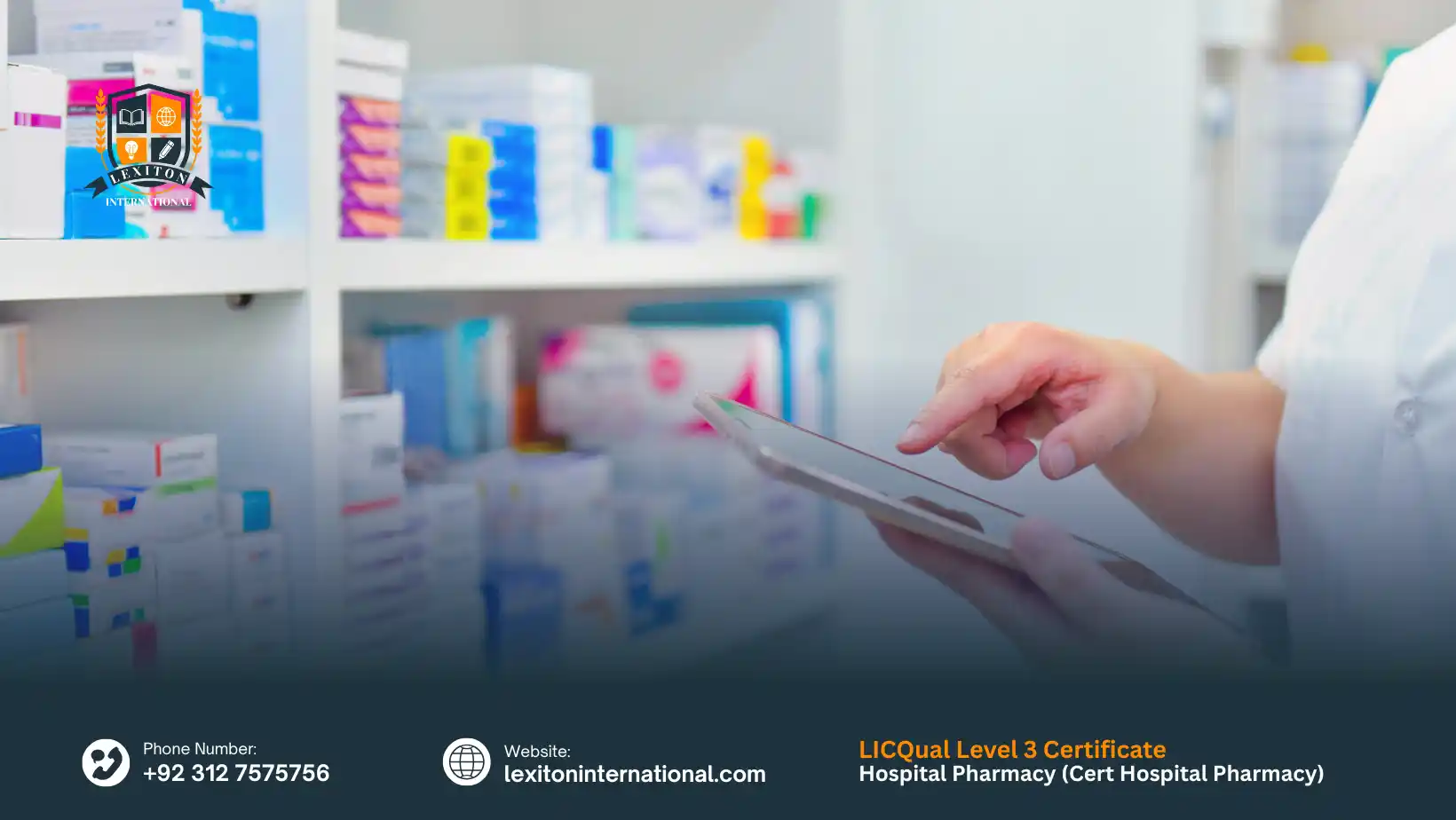
The LICQual Level 3 Certificate in Hospital Pharmacy (Cert Hospital Pharmacy) is a vocational qualification designed to bridge the gap between retail pharmacy and high-pressure clinical healthcare. This program focuses on medicine management, including aseptic techniques, sterile manufacturing, and complex dosage calculations for inpatient care. Students master the operational nuances of clinical pharmacy, ensuring they work alongside medical teams to provide safe therapy. Ultimately, this award provides the scientific foundation required to navigate high-stakes medical environments and contribute to patient safety.
The global healthcare landscape is shifting toward specialized pharmacy services, making this expertise critical for career resilience in 2026. Unlike community work, hospital-based pharmacy requires precision to manage life-critical medications within fast-paced clinical wards. For professionals looking to remain relevant in a market dominated by advanced technologies, mastering these principles is essential. The LICQual Level 3 Certificate in Hospital Pharmacy (Cert Hospital Pharmacy) addresses the global shortage of specialists who can manage intricate pharmaceutical supply chains while adhering to clinical standards.
By pursuing this certification, you position yourself at the forefront of medical care where significant patient recoveries occur. This program empowers you to move beyond basic dispensing and lead specialized pharmacy units with professional prestige. If you are ready to transform your passion into a high-value asset, this qualification provides the technical depth and industrial expertise necessary to dominate the clinical pharmacy sector.
- Age Requirements: Applicants must be 18 years or above at the time of enrollment.
- Professional Experience: No mandatory prior hospital experience, but a basic understanding of pharmacy is recommended.
- Educational Background: A High School Diploma or equivalent Level 2 certificate in a science-related field.
- English Language Proficiency: Learners must have good written and spoken English skills to engage effectively with course materials, reporting tasks, and communication in industrial settings.
Mandatory Units
Skills You Will Gain
Unit 1: Fundamentals of Hospital Pharmacy Practice
Learners will be able to:
- Understand the structure, roles, and responsibilities within hospital pharmacy settings.
- Explain core principles of pharmacy operations and hospital workflow.
- Analyse the integration of pharmacy services in patient care delivery.
- Demonstrate knowledge of healthcare team collaboration and professional communication.
Unit 2: Clinical Pharmacy and Patient Care
Learners will be able to:
- Understand the principles of clinical pharmacy in hospital environments.
- Apply patient assessment techniques to support safe and effective medication use.
- Evaluate clinical interventions to optimise therapeutic outcomes.
- Demonstrate knowledge of patient counselling and education strategies.
Unit 3: Medication Management and Dispensing in Hospitals
Learners will be able to:
- Understand hospital medication supply chain, storage, and inventory management.
- Apply procedures for accurate dispensing and administration of medicines.
- Evaluate safety protocols to prevent medication errors.
- Demonstrate adherence to standard operating procedures for hospital pharmacy practice.
Unit 4: Regulatory Compliance, Ethics, and Quality Assurance
Learners will be able to:
- Understand legal and regulatory frameworks governing hospital pharmacy practice.
- Apply ethical principles in medication management and patient care.
- Demonstrate knowledge of quality assurance systems and clinical audits.
- Evaluate compliance procedures to maintain safety, efficacy, and professional standards.
Unit 5: Pharmacology and Therapeutics in Hospital Settings
Learners will be able to:
- Describe the pharmacological mechanisms of commonly used hospital medications.
- Apply therapeutic knowledge to guide clinical decision-making and patient care.
- Evaluate drug interactions, side effects, and contraindications in hospital settings.
- Demonstrate an understanding of evidence-based medicine in clinical practice.
Unit 6: Research, Professional Development, and Emerging Trends in Hospital Pharmacy
Learners will be able to:
- Apply research methods relevant to hospital pharmacy practice.
- Critically evaluate current literature and emerging trends in clinical pharmacy.
- Develop strategies for continuing professional development (CPD).
- Demonstrate reflective practice to enhance professional competence and patient care.
The LICQual Level 3 Certificate in Hospital Pharmacy (Cert Hospital Pharmacy) is designed for ambitious individuals aiming to move beyond the retail counter and into the heart of clinical operations. It effectively solves the problem of “skill stagnation” by providing the high-level technical training required for inpatient medicine management and sterile compounding.
Who Is This Course For?
- Pharmacy Assistants: Retail professionals seeking to pivot into specialized hospital ward environments.
- Healthcare Support Workers: Staff looking to gain the scientific credentials needed for pharmacy transitions.
- Laboratory Technicians: Workers aiming to specialize in aseptic preparation and sterile manufacturing.
- International Pharmacists: Professionals who need to validate their skills against UK-standard clinical benchmarks.
- Logistics Specialists: Individuals wanting to manage complex medical supply chains and dangerous drug storage.
- Nursing Aides: Staff desiring a deeper technical understanding of medication logistics and clinical safety.
- Career Switchers: Science graduates looking to enter the high-growth pharmaceutical sector via the LICQual Level 3 Certificate in Hospital Pharmacy (Cert Hospital Pharmacy).
Graduates of this program are equipped to take on significant responsibilities within the healthcare infrastructure. This qualification acts as a catalyst for moving into technical leadership and specialized management roles within the clinical sector.
Future Progression
- Senior Pharmacy Technician: Lead large teams in the management of complex inpatient dispensing workflows and laboratory operations.
- Aseptic Suite Specialist: Oversee the production of sterile intravenous medications, total parenteral nutrition, and chemotherapy agents.
- Pharmacy Procurement Lead: Manage high-value medication budgets, contract negotiations, and pharmaceutical supply chains for large medical facilities.
- Clinical Trials Coordinator: Organize the intricate logistics for experimental drug studies, ensuring strict adherence to protocols and patient safety.
- Medicines Management Officer: Develop and implement hospital-wide protocols to eliminate medication errors and improve long-term patient care.
- Ward-Based Technical Lead: Collaborate directly with multidisciplinary medical teams to provide specialized pharmaceutical advice at the point of care.
Curious About This Course?