Level 3 Biopharmaceutical Sciences: Professional Training
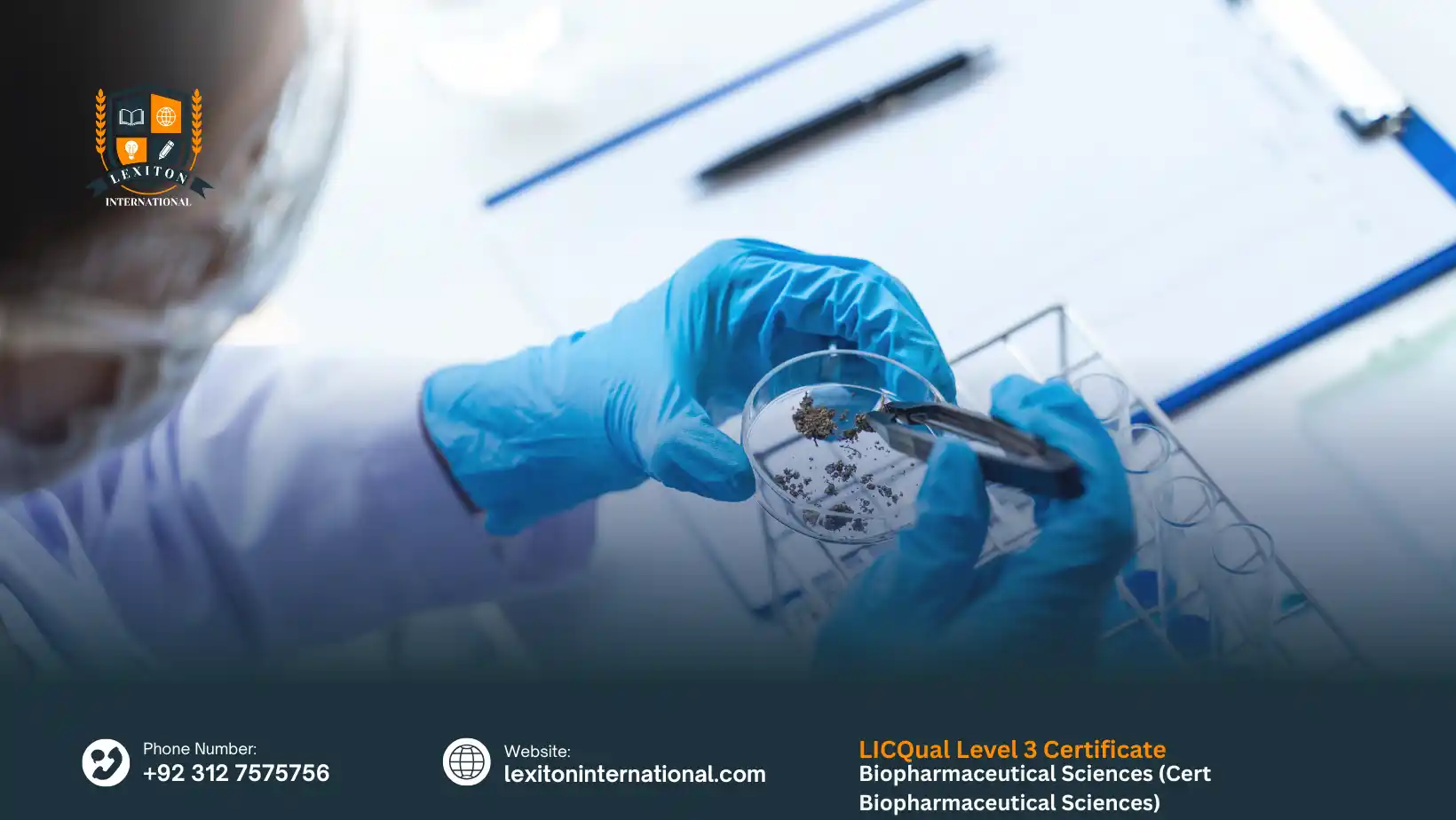
The LICQual Level 3 Certificate in Biopharmaceutical Sciences (Cert Biopharmaceutical Sciences) is a premier vocational qualification designed to bridge the gap between traditional chemistry and advanced biological medicine. It focuses on the production, regulation, and application of therapies derived from living organisms, such as vaccines, monoclonal antibodies, and recombinant proteins. This program provides a deep dive into the technical nuances of cell culture, protein purification, and rigorous quality control protocols.
The global healthcare landscape is witnessing a historic shift toward the revolutionary power of biologics, making this expertise an essential requirement for career resilience. Unlike conventional pharmaceuticals, biopharmaceuticals require a sophisticated level of technical precision and a deep understanding of cellular biology to manage the inherent complexity of “living drugs.” For professionals looking to remain relevant in a market increasingly dominated by personalized medicine and gene therapies, mastering these concepts is no longer optional.
By pursuing the LICQual Level 3 Certificate in Biopharmaceutical Sciences (Cert Biopharmaceutical Sciences), you are positioning yourself at the absolute forefront of medical innovation. The importance of this field cannot be overstated, as biopharmaceuticals offer the primary hope for treating previously incurable genetic disorders. This program empowers you to move beyond basic pharmacology and lead the next wave of therapeutic solutions with professional prestige and industrial insight.
- Age Requirements: Applicants must be 18 years or above at the time of enrollment.
- Professional Experience: No specific industry experience is mandatory, but a basic understanding of laboratory safety is highly recommended.
- Educational Background: A High School Diploma or equivalent (Level 2) with a focus on science (Biology or Chemistry) is required.
- English Language Proficiency: Learners must have good written and spoken English skills to engage effectively with course materials, reporting tasks, and communication in industrial settings.
Mandatory Units
Skills You Will Gain
Unit 1: Fundamentals of Biopharmaceutical Sciences
Learners will be able to:
- Understand the basic principles and scope of biopharmaceutical sciences.
- Describe the structure and function of biomolecules relevant to drug development.
- Differentiate between traditional pharmaceuticals and biopharmaceutical products.
- Analyse the role of biotechnology in advancing modern medicine.
Unit 2: Biotechnology and Bioprocessing
Learners will be able to:
- Explain the core concepts of biotechnology as applied to pharmaceuticals.
- Understand cell culture, fermentation, and bioprocessing methods.
- Assess the production steps of biopharmaceutical products.
- Apply knowledge of bioprocessing to ensure quality and efficiency in manufacturing.
Unit 3: Drug Discovery and Development in Biopharmaceuticals
Learners will be able to:
- Outline the stages of drug discovery, from target identification to preclinical studies.
- Evaluate the importance of molecular biology and genetic engineering in drug development.
- Understand the clinical trial process for biopharmaceutical products.
- Identify ethical considerations in drug discovery and testing.
Unit 4: Quality Assurance and Regulatory Compliance in Biopharmaceuticals
Learners will be able to:
- Explain the importance of Good Manufacturing Practice (GMP) in biopharmaceutical production.
- Understand international regulatory frameworks and guidelines for product approval.
- Apply principles of quality assurance to ensure product safety and efficacy.
- Evaluate case studies of regulatory compliance in the biopharmaceutical sector.
Unit 5: Clinical Applications of Biopharmaceutical Products
Learners will be able to:
- Identify the therapeutic uses of biopharmaceutical products in healthcare.
- Understand the role of biologics in treating chronic and rare diseases.
- Analyse the impact of monoclonal antibodies, vaccines, and gene therapies in modern medicine.
- Evaluate the benefits and risks of clinical applications in patient care.
Unit 6: Research Methods and Emerging Trends in Biopharmaceutical Sciences
Learners will be able to:
- Apply research methodologies relevant to biopharmaceutical sciences.
- Critically evaluate scientific literature and research findings.
- Identify emerging technologies and innovations shaping the industry.
- Develop skills to conduct independent research or contribute to collaborative projects.
The LICQual Level 3 Certificate in Biopharmaceutical Sciences (Cert Biopharmaceutical Sciences) targets individuals moving from general science into specialized biological manufacturing. It solves the challenge of “skill-gaps” in the high-value world of biologics where understanding living systems is essential. This program is perfect for those aiming to master the science behind vaccines and recombinant proteins.
Who Is This Course For?
- Laboratory Assistants: Staff looking to move from general testing into specialized bioprocessing roles.
- Pharmacy Technicians: Professionals wanting to understand the storage and handling of complex biological products.
- Science Graduates: Recent learners seeking a vocational edge to stand out in the competitive biotech market.
- Manufacturing Operators: Personnel aiming to transition from chemical lines to biological suites.
- Quality Control Analysts: Individuals needing to understand the unique stability requirements of proteins.
- Career Switchers: Professionals with a basic science background moving into the life sciences sector.
- Research Coordinators: Staff managing clinical trials who need to understand biological agents.
Achieving the LICQual Level 3 Certificate in Biopharmaceutical Sciences (Cert Biopharmaceutical Sciences) provides a launchpad into various technical and supervisory pathways within the global life sciences industry. Graduates can expect to move into high-responsibility roles within biotech firms and manufacturing facilities.
Future Progression
- Senior Bioprocess Technician: Lead teams in the cultivation and harvesting of living cell lines.
- Biological Quality Assurance Lead: Oversee compliance with strict Good Manufacturing Practices (GMP).
- Validation Specialist: Ensure that high-tech equipment in biopharma facilities meets safety standards.
- Stability Study Coordinator: Monitor how biological products behave under different environmental conditions.
- Regulatory Affairs Assistant: Support the submission of technical dossiers to health authorities.
- Clinical Supply Manager: Orchestrate the complex logistics of temperature-sensitive biological medicines.
- Biopharma Sales Specialist: Use technical knowledge to communicate the value of biologics.
Curious About This Course?