Introduction
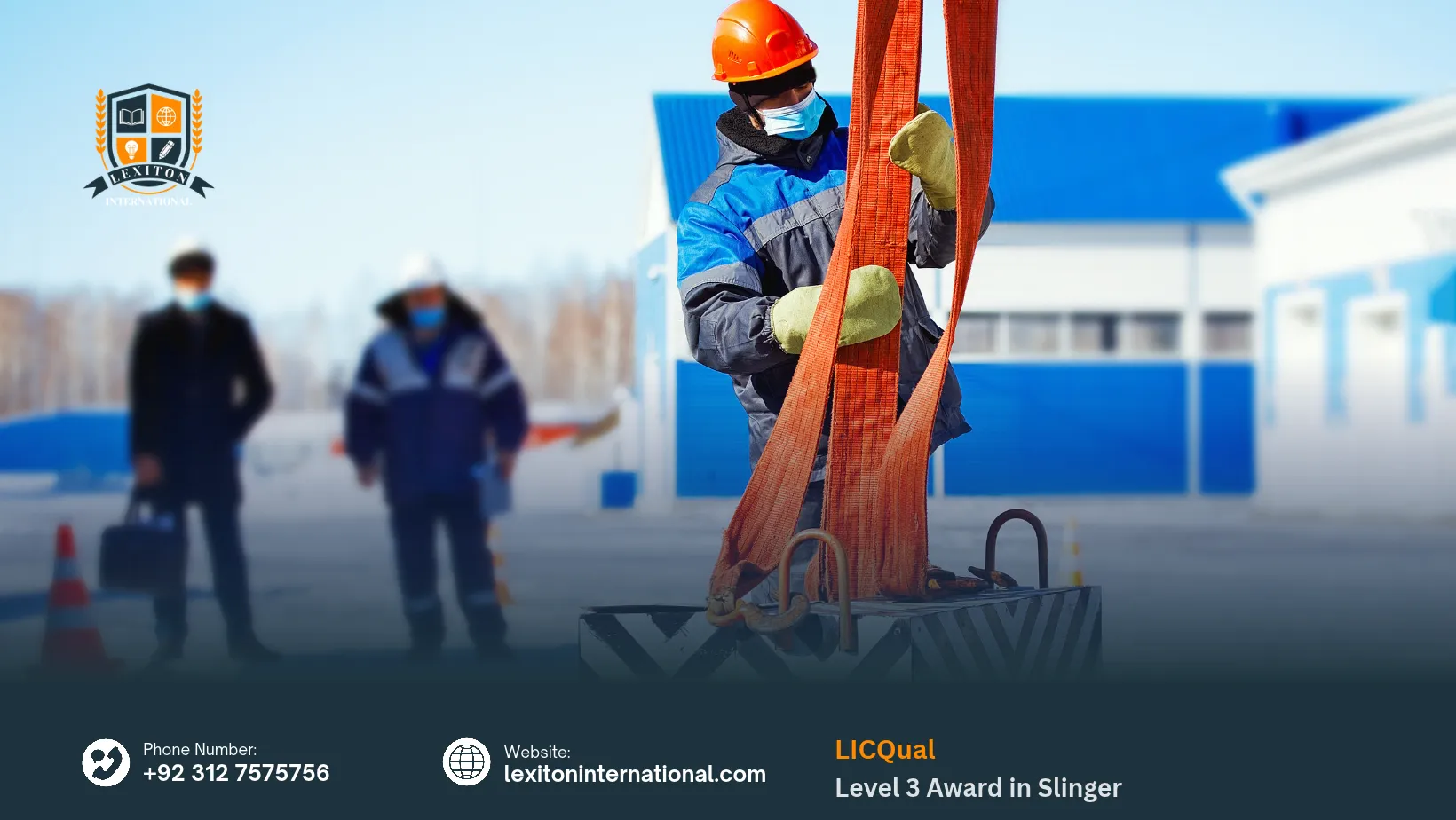
The LICQual Level 3 Award in Slinger is designed to develop Learners’ knowledge of safe slinging operations, load handling and lifting equipment used in construction, industrial and engineering environments. The course focuses on the responsibilities of a Slinger when preparing loads for lifting, communicating with crane operators and supporting safe lifting activities in accordance with workplace procedures.
This qualification introduces essential topics such as lifting hazards, load assessment, lifting accessories, slinging techniques, load stability, centre of gravity awareness, exclusion zones, hand signals, communication procedures and risk control measures. Learners can develop an understanding of how to select and check suitable lifting accessories, identify potential hazards and help ensure that loads are attached securely before lifting operations begin. The course also highlights the importance of teamwork, clear communication and compliance with site safety requirements.
The LICQual Level 3 Award in Slinger is relevant to Learners in Pakistan and internationally who work in, or aspire to enter, construction, logistics, manufacturing, warehousing, oil and gas and other lifting-related industries. It may benefit aspiring Slingers, construction workers, lifting teams and industrial support personnel.
The LICQual Level 3 Award in Slinger is suitable for Learners who want to develop knowledge of safe slinging operations, load handling and lifting safety. Previous industry experience may be beneficial but is not always essential.
- Age: Learners should normally be 18 years or older.
- Experience: Previous experience in construction, lifting operations, rigging, warehousing or industrial work is beneficial but not necessarily required.
- Language Proficiency: Basic English proficiency is recommended to understand safety instructions, lifting signals and course materials.
- Educational Background: No specific formal qualification is normally required, subject to the approved training centre’s requirements.
- Communication: Ability to understand instructions and communicate clearly with crane operators and lifting teams.
- Safety Awareness: Willingness to follow lifting procedures, recognise hazards and apply safe working practices.
The LICQual Level 3 Award in Slinger, qualification consisting of 6 mandatory study units.
Mandatory Units
- Advanced Slinging and Signalling Operations
- In-depth Risk Assessment for Complex Lifting
- Complex Equipment Handling
- Environmental and Hazard Awareness
- Problem Solving and Troubleshooting in Lifting
- Comprehensive Knowledge of Industry Standards
Skills You Will Gain
The LICQual Level 3 Award in Slinger helps Learners develop essential knowledge of safe slinging, load handling, lifting accessories and workplace safety. These skills are relevant to construction, engineering, manufacturing, logistics, oil and gas, and other industries involving lifting operations.
- Slinging Operations: Understand the principles of preparing and attaching loads safely for lifting operations.
- Load Assessment: Develop awareness of load weight, shape, size and stability before lifting.
- Lifting Accessories: Identify common lifting accessories, including slings, shackles, hooks and connecting devices.
- Equipment Inspection: Recognise visible damage, wear and defects in lifting accessories that may make them unsafe to use.
- Load Security: Understand how loads should be attached and secured to reduce the risk of slipping or falling.
- Centre of Gravity: Understand how the centre of gravity affects load balance and lifting stability.
- Safe Slinging: Recognise suitable slinging arrangements for different load types and lifting requirements.
- Hazard Identification: Identify common hazards associated with suspended loads, lifting equipment and worksite conditions.
- Risk Awareness: Understand basic risk control measures for reducing accidents during lifting operations.
- Hand Signals: Develop awareness of standard hand signals and communication methods used during lifting activities.
- Crane Communication: Understand the importance of clear communication between Slingers, crane operators and lifting teams.
- Exclusion Zones: Recognise the importance of keeping unauthorised personnel away from lifting areas and suspended loads.
- Load Movement: Understand precautions for controlling load movement and preventing swinging, tilting or unexpected shifts.
- Safety Procedures: Follow workplace lifting procedures and relevant site safety requirements.
- Team Coordination: Understand how teamwork and clear responsibilities support safe and efficient lifting operations.
- Emergency Awareness: Recognise unsafe lifting situations and understand the importance of stopping work and reporting hazards.
The LICQual Level 3 Award in Slinger is suitable for Learners who want to develop knowledge of safe slinging operations, load handling and lifting safety in construction, industrial and engineering environments.
Who Is This Course For
This course is particularly suitable for
- Aspiring Slingers: Suitable for individuals seeking to develop the knowledge required for slinging and load-handling responsibilities.
- Construction Workers: Ideal for workers involved in construction projects where cranes and lifting equipment are used.
- Rigging Personnel: Relevant to individuals supporting rigging activities and preparing loads for lifting.
- Crane Teams: Useful for personnel who work alongside crane operators during lifting operations.
- Oil and Gas Workers: Beneficial for individuals involved in lifting activities at industrial, pipeline and energy project sites.
- Warehouse Staff: Suitable for workers involved in handling and moving heavy materials using lifting equipment.
- Manufacturing Staff: Relevant to personnel working with machinery, equipment and heavy components in industrial facilities.
- Logistics Personnel: Useful for individuals involved in loading, unloading and moving heavy goods.
- Site Supervisors: Beneficial for supervisors who oversee lifting activities and promote safe working practices.
- Career-Focused Learners: Suitable for individuals seeking foundational knowledge of slinging safety for lifting-related work environments.
Future Progression
The LICQual Level 3 Award in Slinger can help Learners develop knowledge of safe lifting operations, load handling and workplace safety. The skills gained may support professional development in construction, engineering, manufacturing, logistics, oil and gas and other industries involving lifting activities.
- Slinging Operations: Build knowledge relevant to preparing and attaching loads for lifting activities.
- Rigging Support: Develop an understanding of lifting accessories, load security and safe rigging practices.
- Crane Operations Support: Strengthen knowledge of communication and coordination with crane operators.
- Construction Projects: Apply slinging safety awareness in construction and infrastructure environments.
- Oil and Gas: Use lifting safety knowledge in industrial facilities, pipeline projects and energy operations.
- Manufacturing: Apply load-handling awareness when moving heavy machinery, materials and industrial components.
- Warehouse Operations: Support safer loading, unloading and movement of heavy goods.
- Lifting Supervision: Build foundational knowledge relevant to supporting lifting teams and site safety procedures.
- Industrial Safety: Strengthen awareness of lifting hazards, exclusion zones and risk control measures.
- Professional Development: Develop transferable skills in communication, hazard awareness, teamwork and safe lifting practices.
Curious About This Course?