Introduction
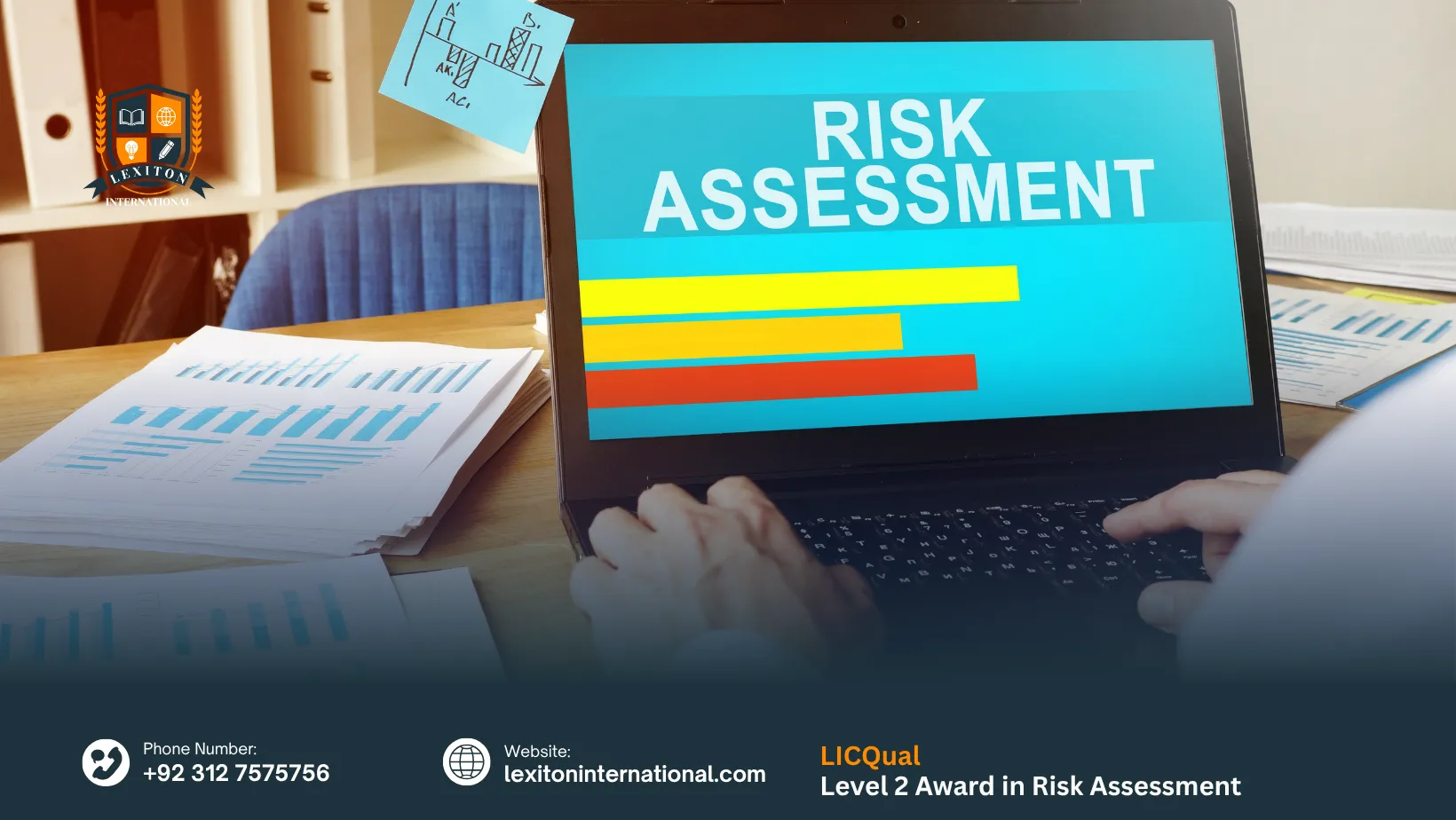
The LICQual Level 2 Award in Risk Assessment is a practical qualification designed to develop essential knowledge and understanding of workplace risk assessment and health and safety principles. It helps learners understand how hazards can be identified, risks can be evaluated, and appropriate control measures can be considered to reduce the likelihood of accidents, injuries, and harm in the workplace.
This Level 2 Risk Assessment qualification introduces learners to the key principles of effective risk assessment, including hazard identification, risk evaluation, control measures, monitoring, and review. It provides a clear understanding of how risk assessment contributes to safer working environments and supports organisations in managing workplace health and safety responsibilities.
The qualification is suitable for employees, supervisors, team leaders, managers, health and safety personnel, and individuals who need a practical understanding of workplace risk assessment. It can be relevant across sectors such as construction, manufacturing, hospitality, retail, facilities management, logistics, offices, and other working environments where identifying and controlling workplace risks is important.
By completing the LICQual Level 2 Award in Risk Assessment, learners can develop practical awareness of workplace hazards, risk control strategies, and responsible safety practices. The qualification provides a structured foundation for applying risk assessment principles within everyday workplace activities and supporting a positive health and safety culture.
Entry Requirements
The LICQual Level 2 Award in Risk Assessment is designed to be accessible to learners who want to develop essential knowledge of workplace risk assessment and safety practices.
- Age: Learners should typically be 16 years or above.
- Experience: No previous experience in risk assessment or health and safety is normally required.
- Language Proficiency: A basic understanding of English is recommended for reading course materials and completing assessments.
- Educational Background: No specific academic qualification is normally required for entry.
- Basic Knowledge: An interest in workplace safety, hazard identification, and risk management is beneficial.
This qualification, the LICQual Level 2 Award in Risk Assessment, consists of 6 mandatory units.
Mandatory Units
- Introduction to Risk Assessment
- Identifying Hazards and Risks
- Risk Assessment Methods
- Implementing Control Measures
- Communication and Documentation
- Reviewing and Monitoring Risk Assessments
Skills You Will Gain
On successful completion of the LICQual Level 2 Award in Risk Assessment, Learners should be able to:
- Hazard Identification: Recognise common workplace hazards and potential sources of harm.
- Risk Evaluation: Understand how workplace risks can be assessed and evaluated.
- Risk Control: Identify suitable control measures to help reduce workplace risks.
- Risk Assessment Principles: Understand the key steps involved in carrying out a risk assessment.
- Workplace Safety: Apply basic principles that support safer working environments.
- Risk Awareness: Develop awareness of how hazards and risks can affect workers and workplace activities.
- Preventive Measures: Understand approaches used to prevent accidents, injuries, and workplace incidents.
- Monitoring Skills: Recognise the importance of monitoring and reviewing workplace risks.
- Safety Communication: Communicate relevant risk and safety information clearly within the workplace.
- Practical Decision-Making: Use basic risk assessment knowledge to support appropriate workplace safety decisions.
The LICQual Level 2 Award in Risk Assessment is suitable for individuals who want to develop practical knowledge of workplace hazards, risk assessment, and health and safety practices.
Who Is This Course For
This course is particularly suitable for:
- Employees who need basic workplace risk assessment awareness.
- Supervisors and team leaders responsible for workplace safety.
- Managers involved in identifying and controlling workplace risks.
- Health and safety personnel supporting risk management activities.
- New professionals entering health and safety related roles.
- Individuals responsible for workplace activities involving potential hazards.
- Professionals seeking practical knowledge of hazard identification and risk control.
Future Progression
The LICQual Level 2 Award in Risk Assessment can support learners in applying risk assessment knowledge across different workplace roles and industries.
- Workplace Safety Roles: Apply risk assessment knowledge when supporting everyday health and safety activities.
- Supervisory Responsibilities: Use hazard identification and risk control skills in supervisory and team leadership duties.
- Risk Assessment Activities: Contribute to identifying workplace hazards and evaluating potential risks.
- Health and Safety Responsibilities: Support organisations in maintaining safer working practices and effective risk controls.
- Industry Applications: Use risk assessment skills across construction, manufacturing, retail, hospitality, logistics, offices, and other workplaces.
- Professional Development: Strengthen practical knowledge of workplace risk management, hazard control, and safety awareness.
Curious About This Course?