Veterinary Nursing (Equine) – ICTQual Level 7
Equine veterinary nursing is a highly specialized discipline that requires advanced knowledge, precision, and compassion. Horses are complex patients, demanding skilled care that goes beyond routine animal health practices. Veterinary nurses working with equines play a crucial role in supporting veterinarians, ensuring patient safety, and maintaining the wellbeing of horses in clinics, hospitals, and stables. Their expertise is vital not only for medical procedures but also for rehabilitation, performance management, and long‑term welfare.
The ICTQual Level 7 Diploma in Veterinary Nursing (Equine) emphasizes the importance of advanced equine nursing skills in today’s veterinary field. As equine medicine evolves, the demand for professionals who can manage complex cases, provide specialized care, and lead within veterinary teams continues to grow. Equine nurses are often the first to identify subtle changes in a horse’s condition, making their role essential for early intervention and effective treatment.
This diploma highlights the value of combining technical expertise with empathy, preparing learners to meet the highest standards of equine healthcare. By pursuing the ICTQual Level 7 Diploma in Veterinary Nursing (Equine), learners position themselves as leaders in equine veterinary practice, dedicated to advancing animal welfare and professional excellence.
- Age Requirements: Learners must be at least 19 years or older at the time of enrollment.
- Professional Experience: Prior experience in equine care or veterinary environments is highly beneficial.
- Educational Background: A qualification in animal care, veterinary nursing, or biological sciences is strongly recommended.
- English Language Proficiency: Learners must have a good command of English to engage with course materials, assessments, and technical documentation effectively.
Mandatory Units
Learning Outcomes for the ICTQual Level 7 Diploma in Veterinary Nursing (Equine):
Advanced Equine Anatomy, Physiology, and Pathophysiology
- Demonstrate advanced knowledge of equine anatomy across musculoskeletal, cardiovascular, and respiratory systems
- Analyse physiological processes that underpin equine health and performance
- Evaluate complex pathophysiological mechanisms in common equine diseases
- Apply anatomical and physiological knowledge to clinical decision‑making in nursing practice
- Integrate current research findings into understanding equine disease progression
- Assess the impact of systemic disorders on equine welfare and clinical outcomes
- Critically reflect on how advanced anatomy and physiology informs evidence‑based nursing interventions
- Relate anatomical and physiological knowledge to surgical preparation and rehabilitation protocols
Equine Clinical Assessment, Diagnostics, and Imaging
- Conduct comprehensive equine patient assessments, including history taking and physical examination
- Apply advanced diagnostic techniques such as haematology, biochemistry, and endoscopy
- Utilise imaging modalities including radiography, ultrasonography, and MRI in equine practice
- Interpret diagnostic results to inform evidence‑based nursing care plans
- Evaluate the limitations, risks, and ethical considerations of diagnostic procedures
- Collaborate effectively with veterinary surgeons in diagnostic decision‑making
- Critically appraise emerging diagnostic technologies for equine healthcare
- Maintain accurate records to support compliance and clinical audits
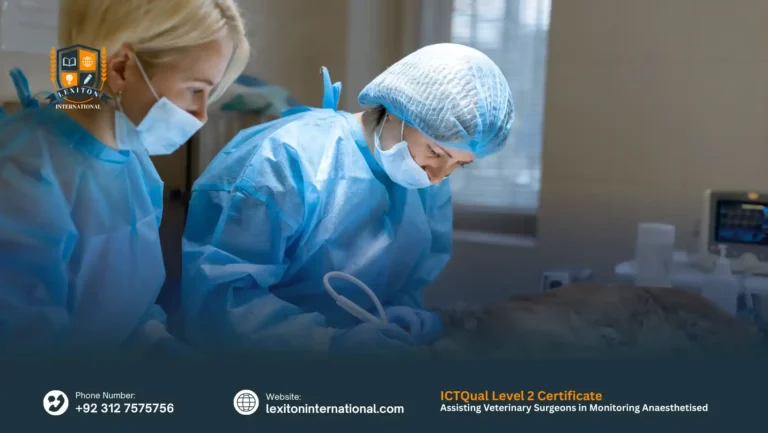
Equine Anaesthesia, Surgical Nursing, and Theatre Practice
- Demonstrate advanced competence in equine anaesthesia protocols and monitoring techniques
- Prepare equine patients for surgery, ensuring welfare and safety standards are upheld
- Assist in theatre practice, including aseptic techniques and surgical instrumentation
- Manage peri‑operative care, including pain management and recovery protocols
- Evaluate risks associated with equine anaesthesia and surgery, applying mitigation strategies
- Reflect on surgical nursing practices to improve patient outcomes and professional standards
- Integrate evidence‑based approaches into anaesthesia and surgical nursing decisions
- Collaborate with multidisciplinary teams to ensure safe and effective surgical outcomes
Pharmacology, Therapeutics, and Evidence‑Based Practice in Equine Nursing
- Apply advanced pharmacological knowledge to equine medicine administration
- Evaluate therapeutic options for equine patients, considering efficacy and safety
- Promote responsible medicine use, including antimicrobial stewardship
- Integrate evidence‑based practice into prescribing and nursing decisions
- Critically appraise current research in equine pharmacology and therapeutics
- Maintain accurate records to support compliance and audit requirements
- Assess the impact of pharmacological interventions on equine welfare and recovery
- Reflect on ethical considerations in prescribing and administering equine medicines
Equine Rehabilitation, Welfare, and Preventive Healthcare
- Design and implement rehabilitation programmes for equine patients recovering from injury or surgery
- Promote preventive healthcare strategies including vaccination, parasite control, and dental care
- Evaluate welfare standards and ethical considerations in equine nursing practice
- Collaborate with owners and multidisciplinary teams to support long‑term equine wellbeing
- Assess the effectiveness of rehabilitation and preventive programmes using measurable outcomes
- Reflect on the nurse’s role in advancing equine welfare and preventive healthcare initiatives
- Critically analyse current research in equine rehabilitation and welfare practices
- Apply international standards of animal welfare to equine nursing interventions
Leadership, Research, and Professional Development in Veterinary Nursing
- Demonstrate leadership skills in managing equine nursing teams and clinical environments
- Mentor junior staff and contribute to professional development within veterinary practice
- Design and conduct research projects that advance equine nursing knowledge
- Critically evaluate clinical audits and quality assurance processes
- Engage in reflective practice to enhance professional growth and patient care standards
- Contribute to policy development and professional discourse in veterinary nursing
- Promote ethical leadership and accountability in equine healthcare settings
- Collaborate with professional bodies to strengthen veterinary nursing standards internationally
The ICTQual Level 7 Diploma in Veterinary Nursing (Equine) is tailored for professionals who want to advance their expertise in equine healthcare and take on senior responsibilities within veterinary practice. This qualification is ideal for those committed to delivering specialized care, leading teams, and ensuring the highest standards of equine welfare.
Who Is this for
- Experienced equine veterinary nurses aiming for advanced certification and recognition
- Animal healthcare professionals seeking to broaden their equine nursing expertise
- Veterinary assistants progressing into senior equine nursing positions
- Stable and equine hospital staff managing complex healthcare requirements
- Animal welfare officers needing advanced equine nursing knowledge for their roles
- Equine rehabilitation specialists enhancing their professional practice and patient outcomes
- Individuals transitioning into advanced veterinary careers with a focus on equine care
- International learners pursuing globally recognized qualifications in equine veterinary nursing
Completing the ICTQual Level 7 Diploma in Veterinary Nursing (Equine) positions learners for advanced opportunities in equine healthcare. This qualification strengthens professional credibility, opens doors to senior roles, and supports career growth in specialized veterinary practice.
Future Progression
- Progression into senior equine nursing and leadership positions
- Opportunities to work in equine hospitals, clinics, and rehabilitation centers
- Enhanced prospects in animal welfare and equine support organizations
- Ability to manage complex equine healthcare and surgical procedures
- Recognition as a trusted professional in equine veterinary nursing
- Potential to move into mentoring, training, or supervisory roles
- Strengthened credibility for international equine healthcare opportunities
- Expanded career pathways in equine welfare, rehabilitation, and support services
Curious About This Course?