Advanced Ichthyological Survey Techniques Diploma
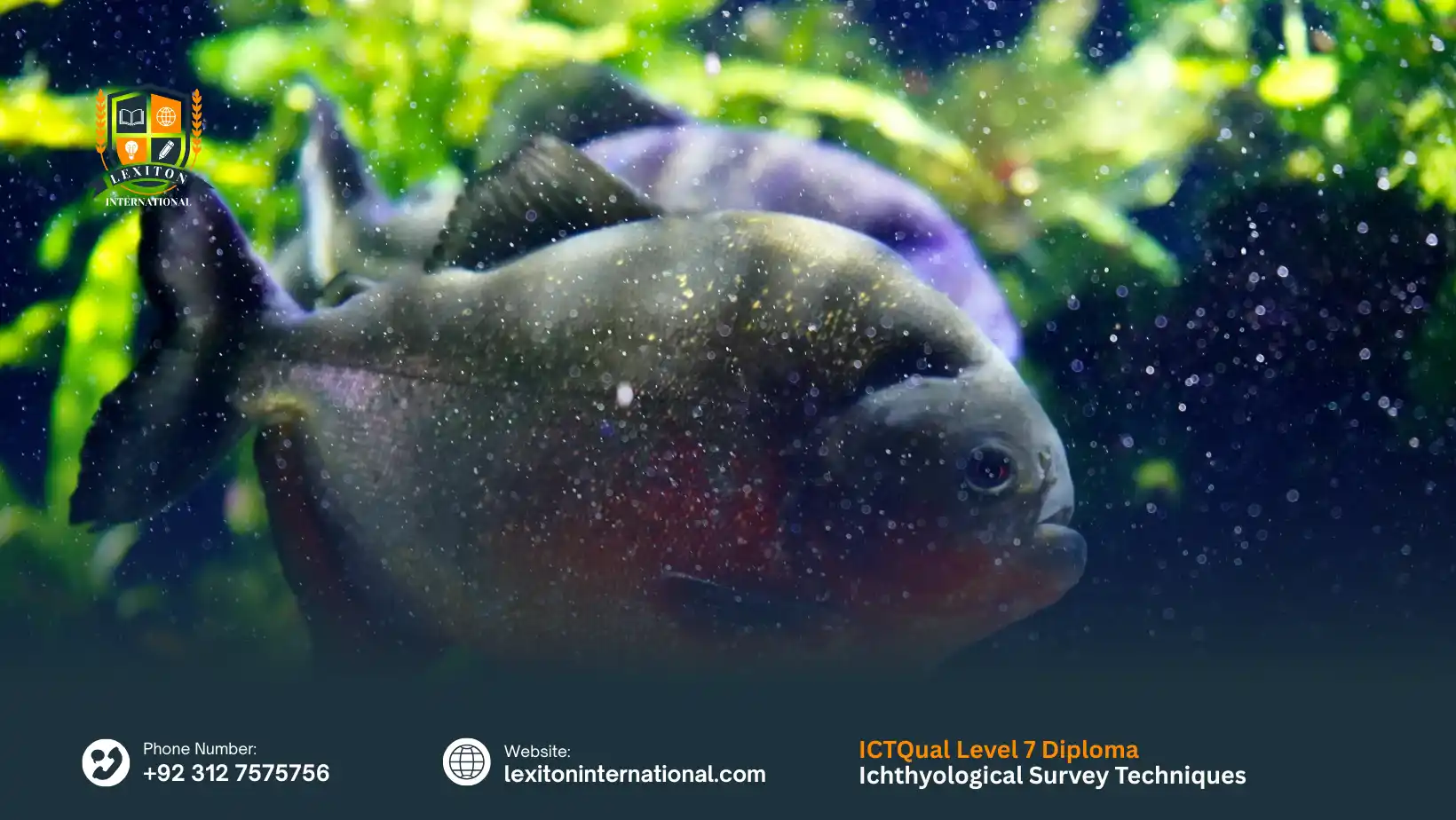
The ICTQual Level 7 Diploma in Ichthyological Survey Techniques stands as a premier postgraduate-level qualification designed for those aiming to master the scientific assessment and monitoring of fish populations. This advanced program bridges the gap between high-level academic theory and professional field application, equipping senior environmental specialists with the expertise to lead complex aquatic surveys. By focusing on robust sampling design and sophisticated statistical modeling, the curriculum ensures that practitioners can deliver accurate population data essential for habitat management in our rapidly changing global environment.
Aquatic ecosystems currently face unprecedented anthropogenic pressures, making the precise monitoring of fish populations a cornerstone of environmental stability and biodiversity conservation. The ICTQual Level 7 Diploma in Ichthyological Survey Techniques offers a high-level pathway for professionals dedicated to the evidence-based management of these vulnerable marine and freshwater habitats. This diploma moves beyond standard monitoring protocols, providing the deep technical proficiency required to lead large-scale aquatic assessments, analyze long-term biodiversity trends, and directly influence environmental policy at a senior level.
Earning this prestigious credential provides the definitive professional edge needed to design robust ecological impact assessments, manage specialized field teams, and implement complex habitat restoration projects. Graduates emerge fully equipped with the strategic insight and analytical capability necessary to make a tangible impact on global aquatic biodiversity. Whether you are aiming to direct international conservation initiatives or provide expert consultancy for major infrastructure projects, this qualification establishes your authority in the field, securing a sustainable future for vital aquatic resources worldwide.
- Age Requirements: Learners must be at least 21 years or older at the time of enrollment.
- Professional Experience: Minimum of 3 years of professional experience in ecological surveying or aquatic research.
- Educational Background: A Bachelor’s degree in Biology, Marine Science, or a related environmental field is required.
- English Language Proficiency: Learners must have a good command of English to engage with course materials, assessments, and technical documentation effectively.
Mandatory Units
Skills You Will Gain
Critical Issues in Ichthyological Surveys
- Learners will critically evaluate contemporary challenges affecting ichthyological survey practices worldwide.
- Learners will analyze ecological, social, and economic factors influencing survey outcomes.
- Learners will assess the impact of human activity, climate change, and policy gaps on aquatic ecosystems.
- Learners will propose innovative solutions to address critical issues in fisheries and biodiversity monitoring.
- Learners will demonstrate advanced problem‑solving skills in complex survey contexts.
Innovations in Survey Technology
- Learners will apply cutting‑edge technologies such as sonar, GIS, and remote sensing in aquatic surveys.
- Learners will evaluate the effectiveness of emerging digital tools for ecological data collection.
- Learners will integrate technological innovations with traditional survey methods for enhanced accuracy.
- Learners will assess the role of automation and AI in advancing ichthyological research.
- Learners will demonstrate adaptability in adopting new technologies for global survey projects.
Global Conservation Strategies
- Learners will analyze international conservation frameworks and their application to fisheries management.
- Learners will evaluate strategies for protecting endangered species and restoring aquatic habitats.
- Learners will assess the role of global collaboration in biodiversity conservation.
- Learners will design sustainable conservation initiatives aligned with international standards.
- Learners will promote ethical and responsible practices in global aquatic resource management.
Advanced Molecular and Genomic Applications
- Learners will apply genomic sequencing and molecular tools to fish population studies.
- Learners will evaluate the role of molecular data in species identification and conservation planning.
- Learners will interpret complex genomic datasets to support ecological decision‑making.
- Learners will assess ethical considerations in the use of molecular and genomic technologies.
- Learners will integrate molecular approaches with ecological surveys for comprehensive analysis.
Leadership and Policy Influence
- Learners will demonstrate leadership in managing large‑scale ichthyological survey projects.
- Learners will evaluate the influence of policy and governance on fisheries and aquatic ecosystems.
- Learners will design strategies to engage stakeholders and influence policy development.
- Learners will promote compliance with international legal and ethical standards.
- Learners will apply leadership skills to drive innovation and collaboration in aquatic research.
Final Research Thesis
- Learners will design and execute an original research thesis addressing advanced ichthyological survey challenges.
- Learners will apply innovative methodologies to collect, analyze, and interpret ecological data.
- Learners will produce a professional thesis report with actionable recommendations.
- Learners will critically evaluate research outcomes and propose future directions for aquatic science.
- Learners will demonstrate originality, independence, and authority in specialist research.
This diploma is meticulously crafted for environmental professionals and dedicated conservationists seeking to specialize their expertise in fish population science. The ICTQual Level 7 Diploma in Ichthyological Survey Techniques solves the problem of “insufficient advanced specialization” by training individuals to perform high-level ecological assessments and advanced population monitoring. It targets those ready to move from general wildlife appreciation to professional-level aquatic species management.
Who Is this for
- Senior Environmental Consultants needing high-level technical skills for large-scale site impact assessments.
- Conservation Managers aiming to lead projects specifically focused on ichthyological habitat restoration.
- Aquatic Researchers seeking advanced data analysis skills for population modeling and tracking.
- Fishery Scientists requiring specialized knowledge for sustainable yield assessment of fish populations.
- Government Officers responsible for managing protected areas that contain protected aquatic species.
- NGO Coordinators tasked with designing long-term biodiversity strategies for fish protection.
- Ecological Assistants wanting to elevate their technical proficiency for senior fieldwork roles.
The ICTQual Level 7 Diploma in Ichthyological Survey Techniques serves as a specialized foundation for advanced career paths in conservation leadership and research specialization. It prepares professionals to assume high-responsibility roles within global conservation frameworks.
Future Progression
- Progress to senior consultancy positions, conducting specialized surveys for large infrastructure developments.
- Advance to leading roles in international conservation organizations focused on aquatic biodiversity.
- Specialize in advanced spatial analysis for aquatic connectivity mapping and species tracking.
- Assume management of specialized conservation initiatives or specific protected aquatic areas.
- Lead international collaborative projects focused on transboundary fish species protection.
- Direct specialized research divisions within environmental consultancy firms.
Curious About This Course?