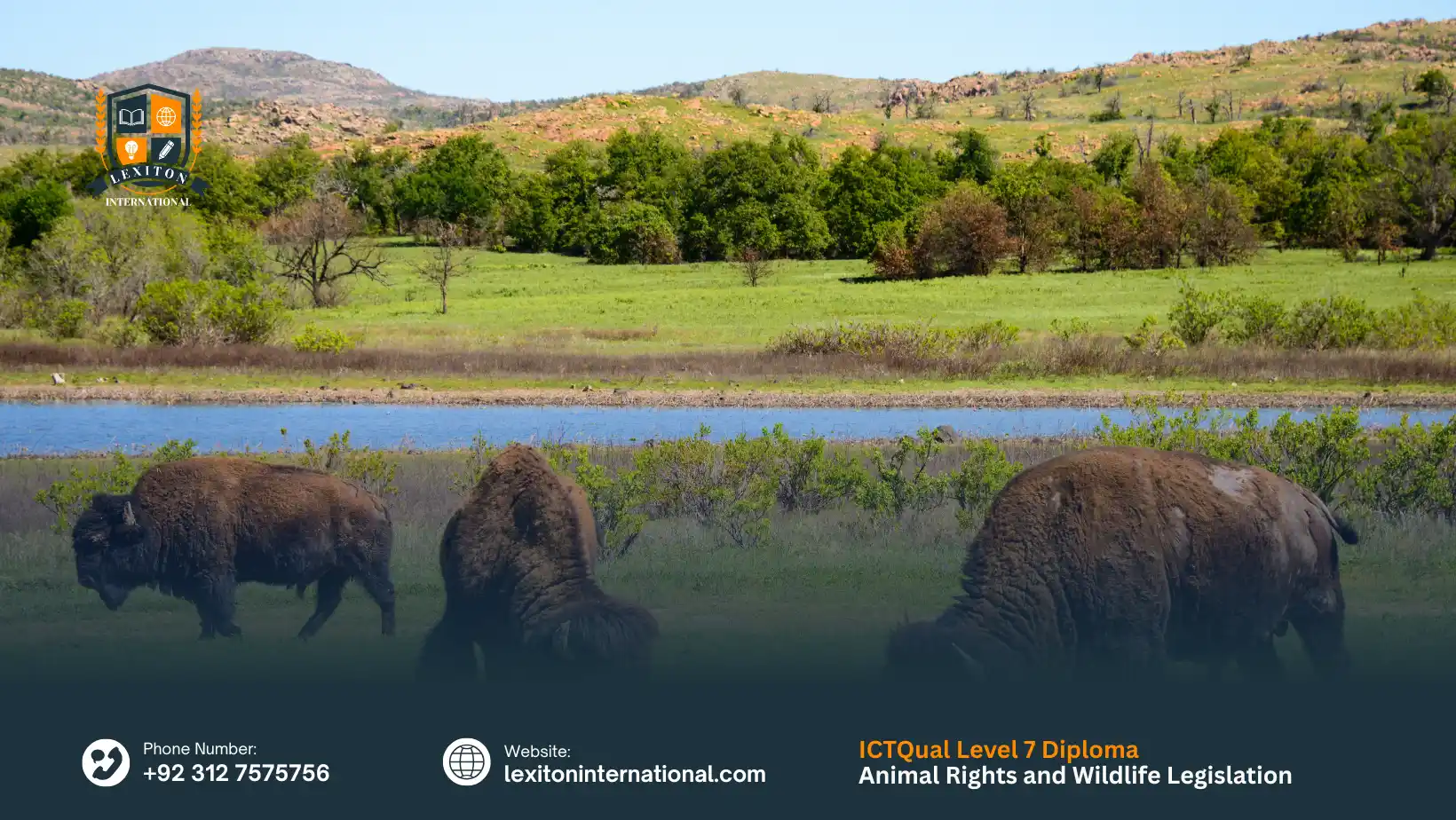
The ICTQual Level 7 Diploma in Animal Rights and Wildlife Legislation is an advanced qualification designed for individuals who want to develop expert knowledge in animal welfare, legal frameworks, and wildlife protection. This course focuses on understanding laws and policies that protect animals and their habitats, making it ideal for learners aiming to work in environmental law, conservation, or animal welfare sectors. It provides a strong professional foundation for those interested in influencing policy and protecting wildlife.
Throughout the course, learners will study key areas such as animal rights principles, wildlife protection laws, environmental regulations, and ethical considerations in animal welfare. The programme also explores how legislation is created, implemented, and enforced at national and international levels. Students will gain insights into real-world challenges, including illegal wildlife trade, habitat destruction, and conservation policy, helping them understand how legal systems support sustainable environmental practices.
After completing this diploma, learners will be equipped with advanced knowledge and analytical skills required for roles in wildlife law, environmental policy, and animal protection organisations. This qualification also supports progression into specialised professional roles. The course enables learners to apply legal knowledge effectively and contribute to protecting animal rights and wildlife on a broader scale.
- Age Requirements: Learners must be at least 21 years or older at the time of enrollment.
- Professional Experience: Relevant experience in animal welfare, environmental work, or legal studies can be beneficial but is not always mandatory.
- Educational Background: A Level 6 qualification or equivalent in a relevant field such as law, environmental studies, or animal science is recommended.
- English Language Proficiency: Learners must have a good command of English to engage with course materials, assessments, and technical documentation effectively.
Mandatory Units
Skills You Will Gain
Leadership in Global Animal Rights and Wildlife Legislation
- Understand advanced principles of leadership in animal welfare and wildlife protection
- Analyse strategies for guiding organisations and influencing global policy
- Develop skills to lead multi-stakeholder initiatives and international projects
- Apply leadership principles to improve ethical and legal compliance in animal protection
- Evaluate the effectiveness of leadership approaches in real-world wildlife and animal rights contexts
Policy Advocacy and International Negotiations for Animal Protection
- Understand international treaties, agreements, and conventions protecting animals
- Analyse diplomatic strategies for influencing global wildlife legislation
- Develop skills in policy advocacy and negotiation with governments and organisations
- Apply knowledge to promote compliance with international animal rights laws
- Evaluate the impact of advocacy efforts on legislation, conservation, and animal welfare
Advanced Research in Wildlife Law and Governance
- Understand research methods for evaluating wildlife legislation and governance
- Analyse data to assess the effectiveness of policies and enforcement strategies
- Develop skills to produce evidence-based reports and recommendations
- Apply research techniques to support legal, ethical, and policy decision-making
- Critically evaluate governance models and propose improvements for wildlife protection
Designing Comprehensive Legal Frameworks for Animal Rights
- Understand how to create integrated national and international legal frameworks
- Analyse best practices for protecting animals, habitats, and biodiversity
- Develop skills to draft policies and strategies for ethical and legal compliance
- Apply knowledge to design laws that support conservation, animal welfare, and enforcement
- Evaluate the impact of proposed frameworks on stakeholders and communities
Global Challenges and Future Directions in Wildlife Legislation
- Understand emerging global threats to wildlife and animal welfare
- Analyse challenges in implementing and enforcing international and national laws
- Evaluate strategies to address issues like illegal trade, habitat loss, and climate change
- Develop skills to propose innovative solutions for sustainable conservation
- Apply knowledge to anticipate trends and plan for future wildlife protection initiatives
Capstone Project: Developing a Policy Framework for Animal Rights and Wildlife Protection
- Integrate knowledge from previous units to design a practical policy framework
- Conduct research and evaluate real-world challenges in wildlife legislation
- Develop skills in strategic planning, ethical decision-making, and advocacy
- Apply leadership and negotiation skills to propose effective policies
- Produce a professional report or presentation demonstrating mastery of animal rights and wildlife law
The ICTQual Level 7 Diploma in Animal Rights and Wildlife Legislation provides a strong pathway for advanced academic and professional development in environmental law and conservation. After completing this course, learners can move into specialised roles, and leadership positions that focus on protecting animal rights and enforcing wildlife laws.
Future Progression
- Progress to advanced research in environmental law, wildlife policy, or animal welfare.
- Pursue roles in environmental law firms, legal advisory services, or policy-making bodies.
- Work with government agencies involved in wildlife protection and environmental regulation.
- Join international organisations and NGOs focused on conservation and animal rights.
- Move into roles related to compliance, legal consultancy, or environmental governance.
- Develop expertise for leadership positions in conservation projects and policy development.
This course opens doors to high-level career opportunities and growth in animal rights and wildlife legislation. It supports learners in building expert knowledge, professional skills, and a meaningful career dedicated to environmental protection and legal advocacy.
This course is designed for individuals looking to advance their knowledge and skills in wildlife damage control. Whether you’re starting your career or seeking to specialize, this qualification offers valuable training. Here’s who can benefit:
Who Is this for
- Those interested in managing and protecting wildlife while minimizing damage caused by species in human environments.
- Individuals working in environmental protection, land management, or pest control who want to enhance their expertise in wildlife damage control.
- Those looking to start a career in wildlife management and control, particularly in agriculture, urban areas, and natural habitats.
- Professionals in pest management seeking to expand their skill set to include wildlife damage prevention and mitigation.
- Anyone looking to apply ethical damage control methods while balancing wildlife conservation goals.
This course is perfect for anyone dedicated to improving wildlife management skills, especially in addressing the challenges posed by wildlife damage to human environments.
Curious About This Course?