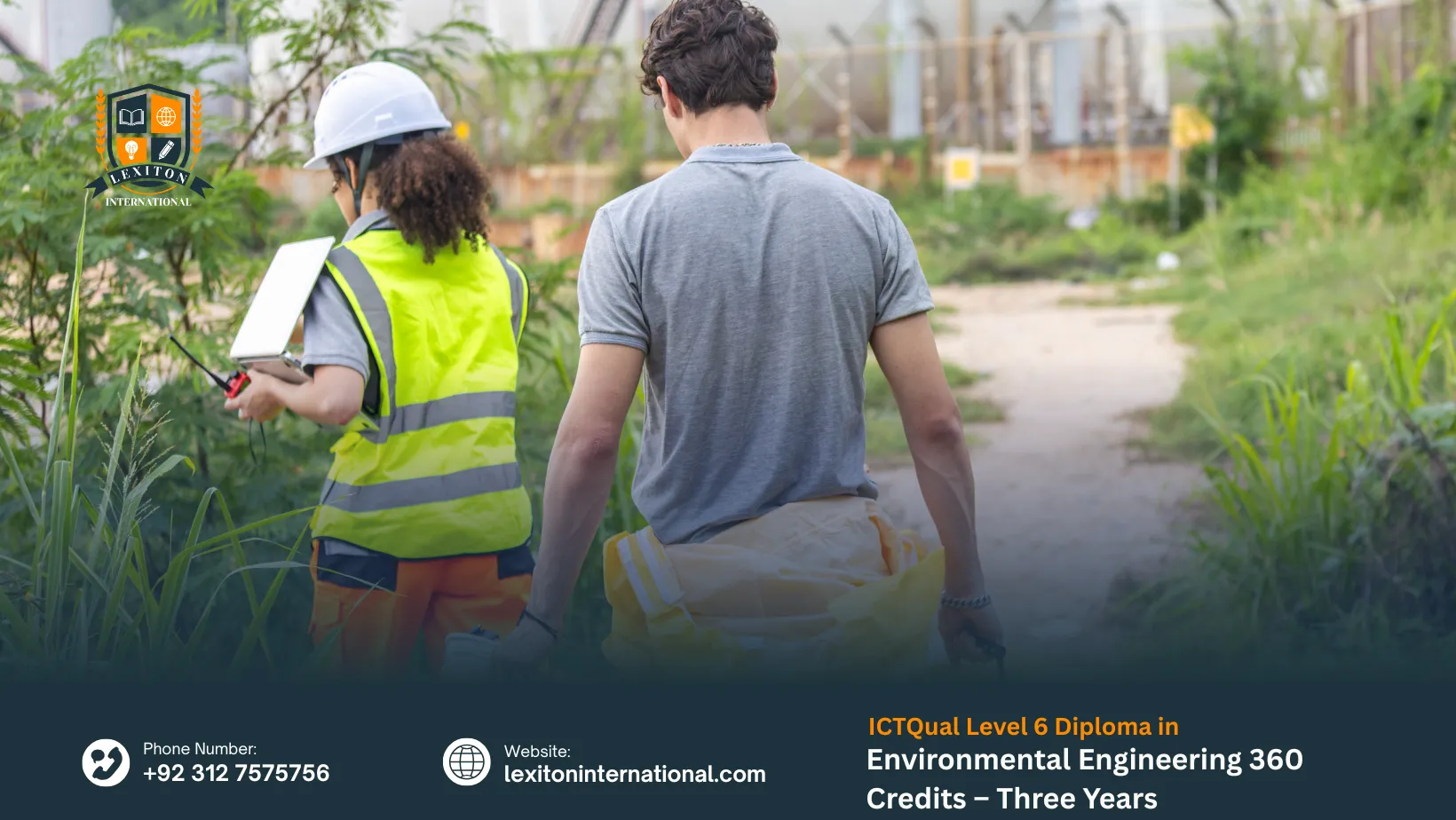
The ICTQual Level 6 Diploma in Environmental Engineering (360 Credits – Three Years) is a specialized qualification designed to provide learners with advanced knowledge and applied skills in environmental systems and sustainable engineering practices. It blends scientific foundations with practical applications, preparing participants to address global challenges such as pollution control, resource management, and climate change mitigation.
The course explores key areas including water and wastewater treatment, air quality management, solid waste engineering, renewable energy systems, and sustainable construction. Learners gain the ability to design, analyze, and implement engineering solutions that reduce environmental impact while meeting industrial and societal needs. Practical projects, laboratory work, and simulations ensure learners develop confidence in applying theory to real-world environmental systems.
Over three years, the diploma emphasizes professional growth through industry-focused projects, applied research, and sustainability-driven practices. Learners also develop leadership, project management, and ethical awareness, ensuring they are prepared for both technical and managerial responsibilities. With its balance of scientific knowledge, engineering application, and professional focus, the ICTQual Level 6 Diploma in Environmental Engineering equips learners to become skilled, innovative, and future-ready professionals in the environmental sector.
To ensure learners are prepared for the academic and professional demands of this program, specific entry requirements have been set.
- Age Requirements: Applicants must be at least 19 years old at the time of enrollment, ensuring maturity and readiness for advanced study.
- Qualification Requirements: A Level 5 Diploma or equivalent qualification in Environmental engineering, environmental science, or a related technical field is required.
- Professional Experience: Candidates should ideally have at least two years of relevant industry or technical experience to demonstrate practical understanding.
- Educational Background: A strong foundation in mathematics, physics, or applied sciences is necessary to support advanced environmental engineering concepts.
- English Language Proficiency: Learners must have good written and spoken English skills to engage effectively with course materials and assessments.
- Technical Aptitude: Applicants should possess basic computer literacy and familiarity with engineering or environmental tools to support practical learning activities.
Mandatory Units
Year 1: Foundations of Environmental Engineering
Year 2: Specialized Environmental Engineering Topics
Year 3: Advanced Studies and Practical Applications
This diploma provides learners with a structured journey from foundational knowledge to advanced specialization in environmental engineering. Across three years, learners will develop scientific expertise, technical skills, and professional competencies that prepare them to design sustainable solutions, manage environmental systems, and contribute effectively to global sustainability goals.
Year 1: Foundations of Environmental Engineering
Introduction to Environmental Engineering
- Understand the fundamental concepts and scope of environmental engineering.
- Explore the role of environmental engineers in addressing global challenges.
- Recognize the importance of sustainability in engineering practices.
- Apply basic engineering principles to environmental problem-solving.
Environmental Science Principles
- Demonstrate knowledge of key environmental science concepts.
- Assess the interaction between human activities and natural systems.
- Explore ecological balance and biodiversity in engineering contexts.
- Apply environmental science principles to practical engineering solutions.
Basics of Environmental Chemistry
- Understand chemical processes that impact air, water, and soil systems.
- Identify pollutants and their effects on environmental quality.
- Explore chemical reactions involved in contamination and remediation.
- Apply chemistry knowledge to pollution control strategies.
Introduction to Renewable Energy Systems
- Gain an overview of renewable energy technologies such as solar, wind, and biomass.
- Evaluate environmental benefits of renewable energy sources.
- Understand challenges in integrating renewable systems into infrastructure.
- Apply renewable energy concepts to sustainable engineering projects.
Mathematics for Environmental Engineers
- Apply mathematical principles to solve engineering problems.
- Use calculus and algebra in fluid dynamics and pollution control.
- Develop proficiency in energy efficiency calculations.
- Apply quantitative reasoning to environmental data analysis.
Engineering Mechanics and Materials
- Understand principles of mechanics in environmental engineering.
- Identify materials used in environmental projects and their properties.
- Explore material selection for sustainability and durability.
- Apply mechanics to design environmentally sound systems.
Introduction to Fluid Mechanics
- Grasp basic concepts of flow, pressure, and velocity.
- Apply fluid dynamics to water treatment and waste management.
- Analyze fluid behavior in environmental systems.
- Use fluid mechanics principles in engineering design.
Pollution Control and Prevention
- Identify types and sources of pollution.
- Propose engineering solutions for pollution prevention.
- Apply control measures to air, water, and soil systems.
- Evaluate effectiveness of pollution management strategies.
Environmental Regulations and Standards
- Understand national and international environmental laws.
- Evaluate how regulations shape engineering practices.
- Apply compliance standards to environmental projects.
- Explore ethical responsibilities in environmental engineering.
Soil Science and Geotechnical Engineering
- Gain knowledge of soil properties and their significance.
- Analyze soil contamination and remediation techniques.
- Apply geotechnical principles to environmental projects.
- Evaluate soil stability in engineering design.
Introduction to Sustainable Development
- Define sustainable development and its importance.
- Identify practices that promote sustainability in engineering.
- Apply sustainable principles to project design.
- Evaluate long-term impacts of engineering solutions.
Communication Skills for Engineers
- Develop effective technical writing and reporting skills.
- Present complex concepts clearly and concisely.
- Enhance teamwork and collaboration in engineering contexts.
- Apply communication skills to professional presentations.
Year 2: Specialized Environmental Engineering Topics
Advanced Water Supply and Wastewater Treatment
- Understand advanced techniques in water purification and distribution.
- Design wastewater treatment systems for sustainability.
- Apply engineering principles to water resource management.
- Evaluate efficiency of treatment processes.
Air Pollution Control and Management
- Identify sources and impacts of air pollution.
- Develop strategies for air quality monitoring.
- Apply engineering solutions for pollution control.
- Evaluate effectiveness of air management systems.
Waste Management and Recycling Techniques
- Analyze waste management practices and recycling technologies.
- Design sustainable systems for urban and industrial waste.
- Apply engineering principles to waste minimization.
- Evaluate performance of recycling initiatives.
Hydrology and Water Resources Management
- Apply hydrological principles to water resource planning.
- Design systems for conservation and sustainable usage.
- Analyze water cycle impacts on engineering projects.
- Evaluate efficiency of water management strategies.
Advanced Renewable Energy Technologies
- Analyze emerging renewable energy technologies.
- Develop solutions for integrating renewable systems.
- Evaluate performance of advanced energy systems.
- Apply renewable technologies to sustainable infrastructure.
Environmental Impact Assessment (EIA)
- Conduct assessments for engineering projects.
- Identify potential environmental impacts.
- Propose mitigation strategies for sustainability.
- Apply EIA principles to project planning.
Risk Management in Environmental Engineering
- Apply risk management strategies to minimize environmental risks.
- Develop risk assessment models for projects.
- Evaluate potential hazards in engineering contexts.
- Implement preventive measures for safety.
Environmental Economics and Policy
- Understand economic aspects of environmental issues.
- Analyze policies shaping engineering practices.
- Apply cost-benefit analysis to sustainability projects.
- Evaluate policy impacts on environmental systems.
Sustainable Infrastructure and Urban Planning
- Design infrastructure projects with sustainability focus.
- Integrate urban planning principles into engineering solutions.
- Apply green technologies to urban development.
- Evaluate long-term impacts of sustainable infrastructure.
Climate Change and Environmental Adaptation
- Examine impacts of climate change on systems.
- Develop adaptation strategies for engineering projects.
- Apply resilience principles to infrastructure design.
- Evaluate effectiveness of adaptation measures.
Environmental Data Collection and Analysis
- Gather environmental data for decision-making.
- Use software tools for data interpretation.
- Apply methodologies to analyze environmental parameters.
- Evaluate data accuracy and reliability.
Environmental Project Management
- Manage projects from planning to execution.
- Apply budgeting and resource allocation skills.
- Coordinate teams effectively in engineering contexts.
- Evaluate project outcomes against objectives.
Year 3: Advanced Studies and Practical Applications
Sustainable Resource Management
- Understand principles of sustainable resource use.
- Design systems for efficient management.
- Apply conservation strategies to engineering projects.
- Evaluate long-term impacts of resource management.
Advanced Environmental Chemistry
- Apply advanced chemical principles to environmental challenges.
- Analyze pollutant degradation processes.
- Develop chemical solutions for remediation.
- Evaluate effectiveness of treatment methods.
Energy Efficiency and Green Technologies
- Design energy-efficient systems for sustainability.
- Implement green technologies in engineering projects.
- Analyze role of efficiency in reducing impacts.
- Evaluate performance of green solutions.
Environmental Monitoring and Data Systems
- Develop monitoring systems for environmental parameters.
- Apply advanced technologies for data collection.
- Analyze data for decision-making.
- Evaluate monitoring effectiveness in projects.
Life Cycle Assessment and Eco-Design
- Conduct assessments of products and processes.
- Apply eco-design principles to engineering solutions.
- Evaluate environmental impacts across life cycles.
- Develop sustainable product designs.
Green Building and Construction Techniques
- Understand sustainable construction methods.
- Apply green building standards to projects.
- Design energy-efficient buildings.
- Evaluate performance of sustainable construction.
Environmental Biotechnology
- Explore biotechnology applications in engineering.
- Analyze role of bioremediation in cleanup.
- Apply microbial technologies to environmental solutions.
- Evaluate effectiveness of biotechnology methods.
Environmental Law and Ethics
- Understand legal frameworks in environmental engineering.
- Apply ethical principles to engineering practices.
- Evaluate role of laws in environmental protection.
- Promote responsible engineering solutions.
Research Methodology in Environmental Engineering
- Develop skills in research design and methodology.
- Conduct scientific research in environmental topics.
- Apply analytical tools to research projects.
- Present findings in professional formats.
Environmental Engineering Design Projects
- Apply engineering principles to complex projects.
- Design sustainable systems addressing real-world issues.
- Integrate multidisciplinary approaches to solutions.
- Evaluate project outcomes for sustainability.
Industrial Internship in Environmental Engineering
- Gain hands-on experience in industry settings.
- Apply theoretical knowledge to practical tasks.
- Develop professional skills in workplace contexts.
- Evaluate learning outcomes from internship.
Research Project and Dissertation
- Conduct independent research on selected topics.
- Apply critical thinking to environmental challenges.
- Present findings in comprehensive dissertation.
- Defend research outcomes professionally.
This diploma is designed for individuals who are motivated, environmentally conscious, and committed to advancing their expertise in sustainable engineering. The ideal learner demonstrates a blend of academic readiness, practical aptitude, and professional ambition, ensuring they can thrive in both classroom and industry environments.
Academic Readiness
- Possesses a solid foundation in mathematics, chemistry, physics, or environmental sciences.
- Demonstrates the ability to grasp complex theoretical concepts and apply them practically.
- Shows confidence in analytical thinking and structured problem-solving.
- Has prior exposure to technical or scientific studies.
- Displays a willingness to engage with advanced coursework and industry-focused challenges.
Professional Orientation
- Brings relevant industry or technical experience to enrich learning.
- Understands the importance of safety, compliance, and professional standards.
- Shows interest in applying environmental engineering knowledge to real-world projects.
- Values teamwork and collaboration in technical environments.
- Demonstrates adaptability to evolving technologies and sustainability practices.
Technical Aptitude
- Comfortable using engineering tools, laboratory equipment, and digital platforms.
- Shows curiosity about renewable energy, pollution control, and sustainable infrastructure.
- Possesses practical skills in handling experiments or basic engineering tasks.
- Demonstrates logical thinking and precision in technical work.
- Willing to develop advanced competencies in design, simulation, and optimization.
Personal Attributes
- Highly motivated to pursue a career in environmental engineering.
- Displays resilience and determination when faced with academic or technical challenges.
- Values ethical responsibility and professional integrity.
- Demonstrates effective communication skills, both written and verbal.
- Maintains discipline, time management, and a proactive learning attitude.
Commitment to Learning
- Prepared to dedicate three years to structured study and skill development.
- Engages actively in both theoretical and practical aspects of the program.
- Willing to participate in projects, case studies, and applied research.
- Seeks continuous improvement through feedback and reflection.
- Demonstrates consistency in meeting deadlines and academic requirements.
Global and Sustainable Mindset
- Understands the importance of sustainability in engineering solutions.
- Shows awareness of environmental impacts of industrial and urban systems.
- Values innovation that supports renewable energy and conservation.
- Demonstrates openness to diverse perspectives and international industry practices.
- Seeks to contribute positively to society through responsible engineering.
The ideal learner for this diploma is someone who combines technical curiosity, professional commitment, and a passion for sustainability. By embodying these qualities, learners will maximize the benefits of the program and position themselves as capable, forward-thinking professionals in the environmental engineering sector.
Completing this diploma opens diverse pathways for learners to advance their careers, enhance their technical expertise, and pursue specialized qualifications. The progression opportunities are designed to strengthen professional standing, expand industry knowledge, and support continuous growth in environmental engineering and related fields.
Advanced Professional Certifications
- Learners can pursue specialized certifications in environmental safety, sustainability, or renewable energy systems.
- Professional recognition through certifications enhances credibility in engineering roles.
- Industry-focused credentials allow learners to demonstrate compliance with international standards.
- Certifications provide opportunities to specialize in areas such as waste management or pollution control.
- Continuous certification ensures learners remain updated with evolving technologies.
Higher-Level Diplomas
- Progression to Level 7 Diplomas in Environmental Engineering or related fields is possible.
- Advanced diplomas provide deeper expertise in leadership and technical innovation.
- Learners gain the ability to manage complex environmental projects and teams.
- Diplomas at higher levels strengthen career pathways into senior technical roles.
- Specialized diplomas allow learners to focus on niche areas such as climate adaptation or green infrastructure.
Industry-Specific Training Programs
- Learners can engage in structured training programs tailored to renewable energy, waste management, or sustainable construction.
- Industry training enhances hands-on skills and practical application of knowledge.
- Programs often align with employer requirements, improving career opportunities.
- Training supports adaptability to new technologies and industry practices.
- Specialized modules allow learners to refine expertise in targeted environmental sectors.
Professional Memberships and Licenses
- Learners may apply for membership in recognized environmental or engineering institutions.
- Professional memberships provide networking opportunities and industry recognition.
- Licenses or registrations enhance credibility and compliance with regulatory standards.
- Memberships often include access to resources, events, and professional development.
- Active participation in professional bodies supports career advancement and visibility.
Career Pathway Development
- Learners can progress into supervisory or managerial roles within environmental projects.
- Opportunities exist in industries such as renewable energy, waste management, and sustainable infrastructure.
- Career development includes roles in design, monitoring, and system optimization.
- Learners may advance into consultancy positions, offering expertise to organizations.
- Progression supports long-term stability and growth in technical and leadership roles.
Continuous Learning and Skill Enhancement
- Learners can pursue short courses in emerging technologies like eco-design, green building, or environmental biotechnology.
- Continuous learning ensures adaptability to industry changes.
- Skill enhancement programs strengthen practical expertise in specialized tools and software.
- Ongoing training supports innovation and competitiveness in the workplace.
- Lifelong learning fosters resilience and professional growth in dynamic industries.
The ICTQual Level 6 Diploma in Environmental Engineering provides a strong foundation for learners to progress into advanced diplomas, certifications, and professional pathways. With opportunities for specialization, industry recognition, and continuous skill development, graduates are well-positioned to thrive as competent, innovative, and future-ready professionals in the environmental engineering sector.
Curious About This Course?