Patient Care Assistance Training – Level 5
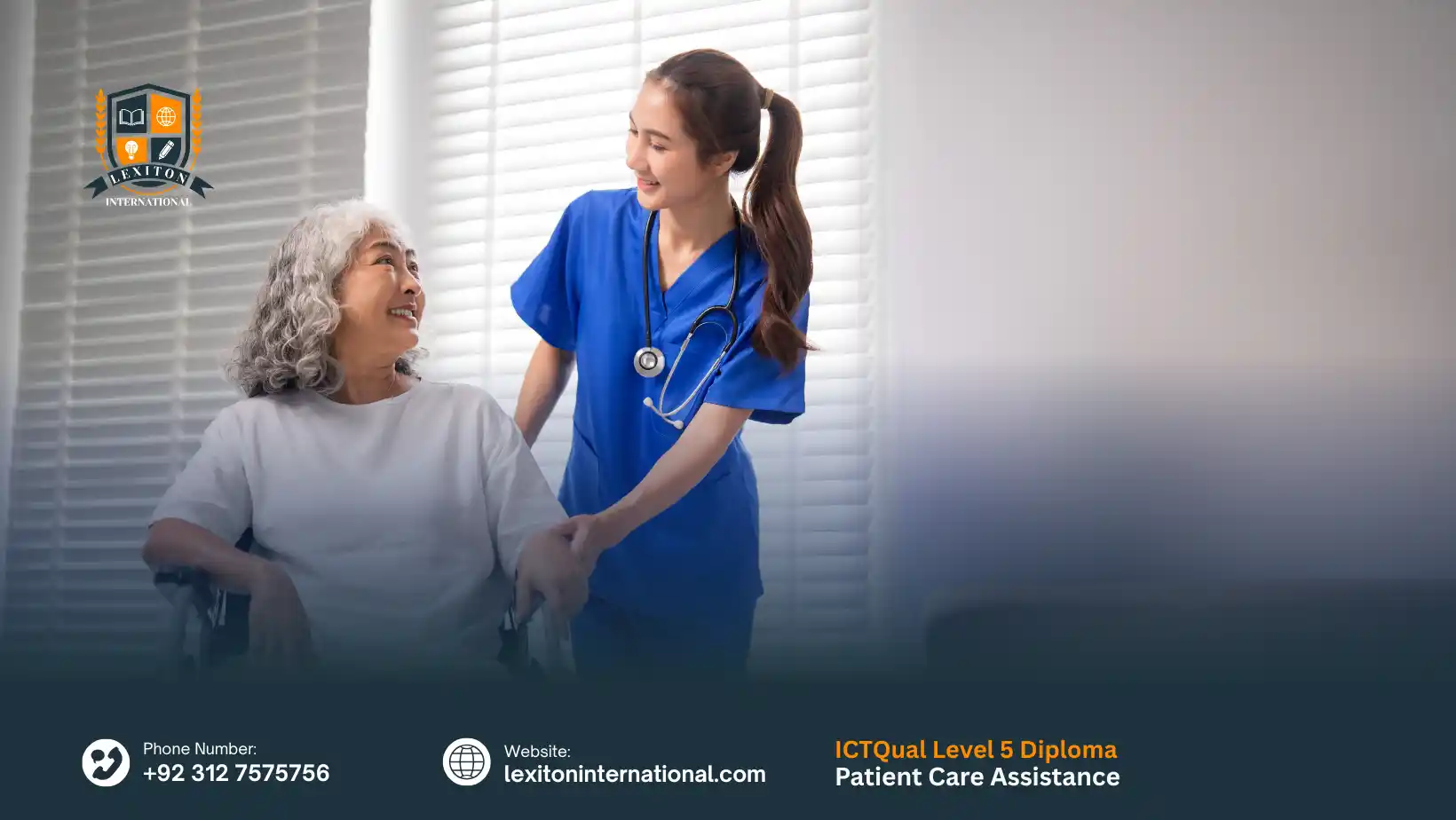
Patient care is at the heart of every healthcare system. From hospitals to community clinics, the quality of care provided directly impacts recovery, wellbeing, and trust between patients and professionals. Skilled patient care assistants play a vital role in supporting medical teams, ensuring comfort, and maintaining dignity for individuals in need. Their contribution extends beyond routine tasks they provide emotional reassurance, monitor patient conditions, and act as a bridge between healthcare providers and families.
The ICTQual Level 5 Diploma in Patient Care Assistance highlights the importance of advanced skills in delivering safe, compassionate, and professional care. As healthcare demands continue to rise globally, the need for qualified assistants who can combine technical knowledge with empathy has never been greater. This diploma emphasizes the value of patient‑centered care, preparing learners to meet diverse needs in hospitals, care homes, and community health settings.
By pursuing the ICTQual Level 5 Diploma in Patient Care Assistance, learners position themselves at the forefront of healthcare support, gaining recognition as trusted professionals dedicated to improving lives and strengthening healthcare delivery.
- Age Requirements: Learners must be at least 19 years or older at the time of enrollment.
- Professional Experience: Prior exposure to healthcare environments or patient care settings is beneficial but not mandatory.
- Educational Background: A qualification in healthcare, biology, or related subjects is recommended.
- English Language Proficiency: Learners must have a good command of English to engage with course materials, assessments, and technical documentation effectively.
Mandatory Units
Learning Outcomes for the ICTQual Level 5 Diploma in Patient Care Assistance:
Advanced Patient Care and Support Practices
- Develop advanced skills in supporting patients with complex care needs.
- Understand principles of person-centered care and holistic patient support.
- Apply safe and effective techniques for assisting with daily living activities.
- Recognize the physical, emotional, and psychological needs of patients.
- Learn to implement individualized care plans in collaboration with healthcare professionals.
- Develop competence in monitoring patient wellbeing and adjusting support accordingly.
- Maintain patient dignity, privacy, and independence while providing care.
- Gain confidence in managing multiple patient care responsibilities in various healthcare settings.
Clinical Procedures and Health Monitoring
- Understand advanced clinical procedures relevant to patient care support.
- Develop skills in monitoring vital signs and recognizing early warning signs of health deterioration.
- Gain experience in assisting with medical interventions and treatments under supervision.
- Learn to document observations accurately and maintain patient records.
- Apply knowledge of anatomy and physiology to support clinical decision-making.
- Understand protocols for assisting patients with medications, therapies, or medical devices.
- Develop confidence in responding to routine and complex healthcare needs.
- Contribute effectively to multidisciplinary healthcare teams during clinical procedures.
Infection Prevention and Control in Healthcare
- Understand advanced principles of infection prevention and control.
- Learn techniques for maintaining hygiene and sanitation in healthcare environments.
- Apply personal protective equipment (PPE) correctly in various clinical situations.
- Understand procedures for handling and disposing of medical waste safely.
- Recognize the importance of preventing cross-contamination and healthcare-associated infections.
- Develop knowledge of healthcare legislation and safety protocols related to infection control.
- Learn to identify, report, and respond to infection risks effectively.
- Build confidence in maintaining a safe and healthy environment for patients and staff.
Communication, Professional Relationships, and Ethical Practice
- Develop advanced communication skills for interactions with patients, families, and healthcare teams.
- Understand the importance of empathy, active listening, and emotional intelligence in patient care.
- Learn to convey sensitive information effectively and professionally.
- Build strong professional relationships based on trust, respect, and collaboration.
- Apply ethical principles and maintain patient confidentiality at all times.
- Develop skills to manage conflict and challenging situations professionally.
- Understand cultural competence and provide inclusive care to diverse patient populations.
- Enhance teamwork and collaborative practices within healthcare environments.
Leadership, Supervision, and Team Management in Healthcare
- Develop skills to supervise and support junior staff or volunteers effectively.
- Understand leadership principles and their application in healthcare settings.
- Learn to delegate responsibilities and manage team workflows efficiently.
- Develop strategies for motivating and mentoring staff to maintain high standards of care.
- Understand policies, procedures, and quality assurance requirements in healthcare.
- Build competence in evaluating team performance and identifying areas for improvement.
- Develop confidence in making informed decisions and problem-solving in team management.
- Support multidisciplinary teams to ensure smooth operation and optimal patient care outcomes.
Emergency Response and Risk Management in Patient Care
- Learn to respond effectively to medical emergencies and critical situations.
- Develop skills in assessing risks and implementing safety measures in healthcare settings.
- Understand protocols for emergency procedures and patient evacuation if required.
- Gain knowledge of first aid, life support, and urgent care techniques.
- Recognize hazards in the healthcare environment and take proactive steps to minimize them.
- Learn to maintain calm and make decisions under pressure during emergencies.
- Understand documentation and reporting requirements following incidents or emergencies.
- Build confidence in contributing to risk management strategies and patient safety initiatives.
The ICTQual Level 5 Diploma in Patient Care Assistance is designed for individuals who want to advance their skills in healthcare support and contribute meaningfully to patient wellbeing.
Who Is this for
- Aspiring patient care assistants seeking professional certification
- Healthcare support workers aiming to enhance their skills
- Hospital staff involved in patient monitoring and assistance
- Care home workers providing daily support to residents
- Community health volunteers looking for structured training
- Medical assistants expanding their responsibilities in patient care
- Individuals transitioning into healthcare careers
- International learners seeking globally recognized healthcare qualifications
Completing the ICTQual Level 5 Diploma in Patient Care Assistance equips learners with confidence and credibility to grow within the healthcare industry.
Future Progression
- Progression into senior patient care assistant roles
- Opportunities to work with hospitals, clinics, and care homes
- Enhanced prospects in community health and welfare services
- Ability to support specialist patient care needs
- Expanded opportunities for entrepreneurs in healthcare support services
- Recognition as a trusted professional in patient care and welfare
- Potential to move into training or mentoring positions
- Strengthened credibility for global opportunities in healthcare sectors
Curious About This Course?