Natural History Museum Development Level 4 Diploma
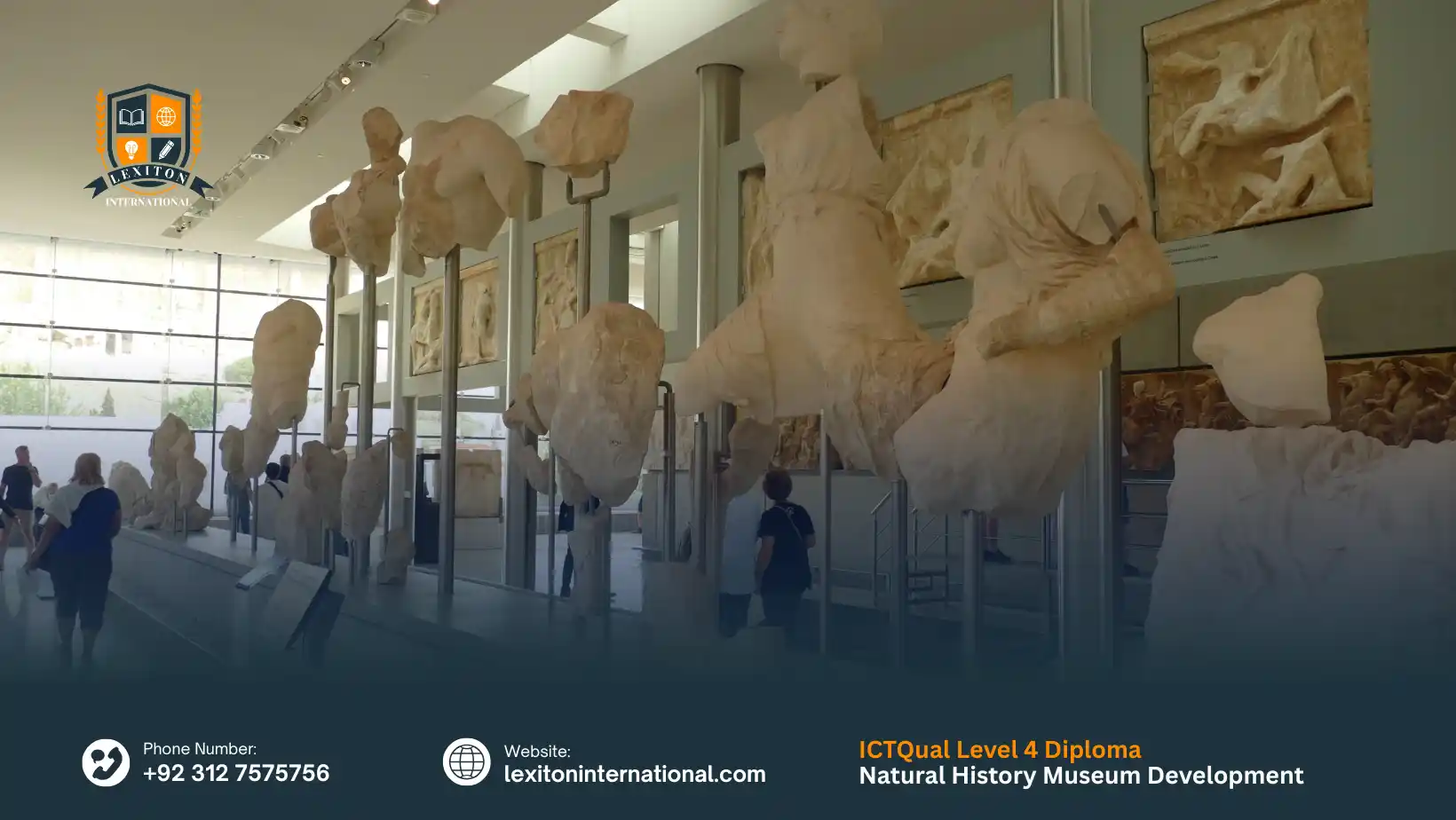
The ICTQual Level 4 Diploma in Natural History Museum Development is a professionally designed course that provides learners with essential knowledge and practical skills required to work in museum and heritage environments. This qualification focuses on how natural history museums are developed, managed, and maintained, making it ideal for individuals who are interested in cultural heritage, conservation, and public education. It offers a strong foundation for those who want to build a career in museums or related sectors.
Throughout the course, learners will explore key topics such as museum planning, collection management, exhibition design, and preservation of natural history specimens. The programme also covers how museums engage with the public, promote education, and support research activities. Students will gain a clear understanding of how to organize collections, present information effectively, and manage museum resources in a professional and ethical way.
- Age Requirements: Learners must be at least 18 years or older at the time of enrollment.
- Professional Experience: No previous experience is required, but any exposure to museums, heritage work, or conservation activities can be beneficial.
- Educational Background: A basic level of education is recommended. Having prior study in subjects like history, environment, or arts can be helpful.
- English Language Proficiency: Learners must have a good command of English to engage with course materials, assessments, and technical documentation effectively.
Mandatory Units
Skills You Will Gain
Strategic Collection Management and Policy Development
- Develop and implement policies for sustainable collection growth and acquisition.
- Apply ethical and legal frameworks in collection management decisions.
- Evaluate collection strategies for cultural, scientific, and educational relevance.
- Demonstrate advanced skills in documentation and transparent reporting.
- Recognize the importance of long‑term planning in collection sustainability.
Advanced Exhibition Curation and Narrative Design
- Design exhibitions that integrate narrative, interpretation, and cultural context.
- Apply advanced curatorial strategies to create meaningful visitor experiences.
- Demonstrate awareness of design, lighting, and display innovation.
- Evaluate exhibitions for clarity, inclusivity, and educational impact.
- Integrate storytelling techniques to enhance audience engagement.
Conservation Science and Environmental Monitoring
- Apply scientific principles to preventive and interventive conservation practices.
- Demonstrate knowledge of environmental monitoring systems for specimen safety.
- Evaluate conservation risks and implement advanced preservation strategies.
- Understand the role of materials science in conservation methods.
- Recognize ethical considerations in conservation science.
Digital Transformation in Museum Development
- Apply advanced digital cataloguing systems and metadata standards.
- Explore online platforms for public access to collections.
- Demonstrate awareness of interactive and virtual technologies in exhibitions.
- Evaluate the benefits and challenges of digital transformation in museums.
- Integrate digital tools into long‑term museum development strategies.
Inclusive Education and Accessibility in Museums
- Design educational programs that promote inclusivity and accessibility.
- Apply strategies to engage diverse audiences in museum learning.
- Demonstrate awareness of cultural sensitivity in educational programming.
- Evaluate visitor learning pathways for effectiveness and inclusivity.
- Recognize the role of museums in lifelong learning and community development.
Leadership and Team Management in Museum Projects
- Apply leadership principles to manage museum projects and staff teams.
- Demonstrate effective communication and collaboration in project management.
- Evaluate leadership strategies for innovation and sustainability in museums.
- Understand governance structures and their role in museum operations.
- Recognize the importance of professional ethics in leadership and management.
This course is designed for individuals who want to build knowledge and practical skills in museum development and natural history management. It is suitable for learners who are interested in heritage, conservation, and how museums are planned, organised, and presented to the public.
Who Is this for
- Individuals interested in working in museums or heritage organisations.
- Learners who want to understand how museum collections are managed and displayed.
- People passionate about history, nature, and cultural preservation.
- Students planning to continue further studies in museum or heritage fields.
- Individuals looking to develop skills in exhibition design and public engagement.
- Anyone interested in conservation and preservation of natural history.
This course is a great choice for anyone who wants to gain a clear understanding of natural history museum development. It provides a strong foundation for career opportunities in museums, heritage, and conservation sectors.
The ICTQual Level 4 Diploma in Natural History Museum Development provides a clear pathway for learners who want to grow in the museum, heritage, and conservation sectors. After completing this course, learners can move forward into specialised training, and professional roles that build on their knowledge of museum management and natural history preservation.
Future Progression
- Continue studies in areas such as archaeology, environmental conservation, or cultural heritage.
- Apply for roles in museums, galleries, and heritage organisations.
- Move into positions related to collection management, exhibition design, or public engagement.
- Develop skills for careers in conservation, research, and educational programme development.
- Gain experience that supports further professional training and career advancement.
This course opens valuable opportunities for both academic progression and career development in museum and heritage fields. It helps learners strengthen their skills, build confidence, and take the next step toward a successful future in natural history museum development.
Curious About This Course?