
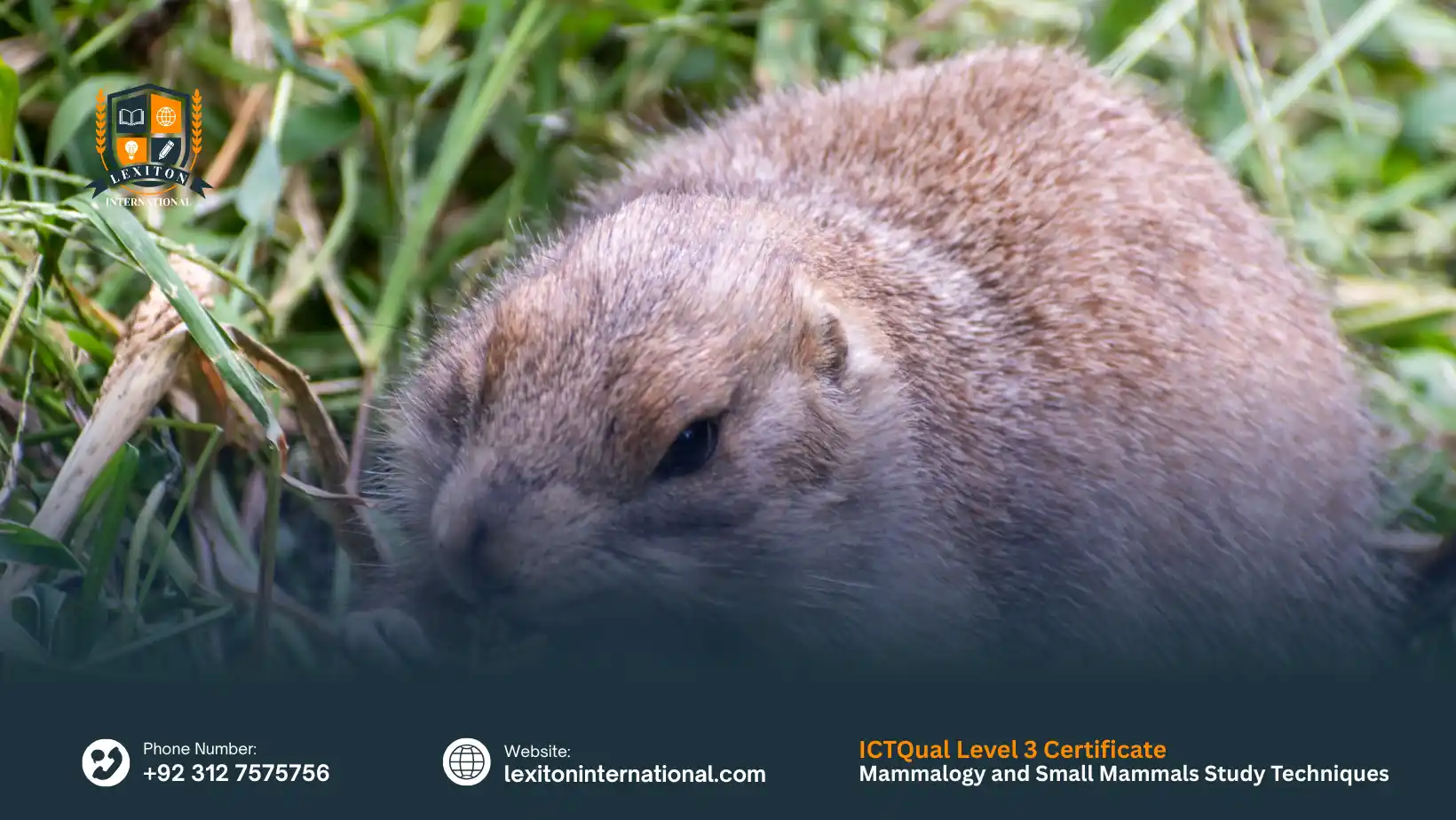
Small Mammal Study Techniques Level 3
Understanding the intricate lives of mammals is fundamental to biodiversity conservation and ecological research, yet accurately surveying these elusive creatures requires specialized expertise. The ICTQual Level 3 Certificate in Mammalogy and Small Mammals Study Techniques provides essential knowledge for aspiring biologists, conservationists, and wildlife enthusiasts. This comprehensive program bridges theoretical understanding with practical application, equipping learners with the necessary skills to conduct ethical research and contribute effectively to wildlife management.
The ICTQual Level 3 Certificate in Mammalogy and Small Mammals Study Techniques engages the reader by highlighting the vital role of skilled specialists in monitoring ecosystem health. Through rigorous training in species identification, habitat analysis, and population surveying, this course empowers participants to address the core challenges of wildlife documentation and conservation. Whether you are aiming to start a career in ecological consultancy or looking to advance your field skills, this certificate provides the technical expertise needed to thrive.
Furthermore, this ICTQual Level 3 Certificate in Mammalogy and Small Mammals Study Techniques program emphasizes the ethical responsibilities of modern ecological research. It ensures graduates can deliver superior data collection results while navigating complex regulatory landscapes. Ultimately, this course ensures every conservationist contributes to long-term scientific knowledge and professional excellence within the mammalogy industry.
- Age Requirements: Learners must be at least 16 years or older at the time of enrollment.
- Professional Experience: While no prior professional experience is strictly required, a keen interest in wildlife and practical experience volunteering in conservation projects is beneficial.
- Educational Background: A foundational understanding of biology or environmental science is recommended, typically demonstrated through high school science qualifications or equivalent vocational experience.
- English Language Proficiency: Learners must have a good command of English to engage with course materials, assessments, and technical documentation effectively.
Mandatory Units
Skills You Will Gain
Small Mammal Behavioural Studies
- Observe and describe behavioural patterns such as feeding, nesting, and social interactions.
- Identify activity cycles including nocturnal, diurnal, and seasonal behaviours.
- Explain behavioural adaptations that support survival in different habitats.
- Recognize signs of stress or disturbance in small mammal populations.
- Apply behavioural knowledge to support conservation and habitat management decisions.
Fieldwork Safety and Ethics
- Demonstrate safe practices when conducting fieldwork in varied environments.
- Apply ethical standards in handling, observing, and recording small mammals.
- Recognize risks to both humans and wildlife during surveys and mitigate them effectively.
- Respect animal welfare by minimizing disturbance and avoiding harmful practices.
- Promote responsible fieldwork behaviour in group and community settings.
Survey Planning and Execution
- Design simple survey plans with clear objectives, methods, and timelines.
- Select appropriate survey techniques based on habitat and species requirements.
- Organize fieldwork resources including equipment, personnel, and safety measures.
- Execute surveys systematically to ensure reliable and representative data collection.
- Evaluate survey effectiveness and suggest improvements for future projects.
Introduction to Conservation Projects
- Explain the purpose of conservation projects in protecting small mammal populations.
- Identify key stakeholders involved in conservation initiatives.
- Recognize local and global conservation challenges affecting small mammals.
- Contribute to community‑based conservation activities through volunteering or citizen science.
- Promote awareness of conservation issues using accessible communication methods.
Data Management and Reporting
- Record ecological data accurately using standardized formats and tools.
- Organize data sets for clarity and ease of interpretation.
- Apply basic analysis techniques to identify trends and patterns in survey results.
- Prepare structured reports summarizing findings for conservation or educational use.
- Ensure data integrity and reliability through careful verification and ethical handling.
This certificate is meticulously designed for motivated individuals eager to launch a career in wildlife science and for established professionals seeking to enhance their practical skills in specialized mammalogy survey methods. The ICTQual Level 3 Certificate in Mammalogy and Small Mammals Study Techniques solves the problem of needing structured, scientific training to move beyond basic observation, targeting those dedicated to raising industry standards in data collection.
Who Is this for
- Aspiring Field Biologists seeking to build practical skills in small mammal survey techniques.
- Conservation Volunteers aiming to formalize their field experience with a recognized qualification.
- Wildlife Enthusiasts looking to transition their hobby into a structured career in nature conservation.
- Environmental Consultancy Assistants needing to master specialized techniques for ecological impact assessments.
- Zoo or Wildlife Park Staff wanting to understand wild populations to improve captive husbandry.
- Students of Wildlife Science seeking a practical qualification to complement their academic knowledge.
- Career Changers moving into the specialized green economy from unrelated sectors.
The ICTQual Level 3 Certificate in Mammalogy and Small Mammals Study Techniques serves as a specialized stepping stone toward leadership roles in ecological research and environmental management. It prepares learners for seamless transitions into higher-level responsibilities.
Future Progression
- Progress to advanced field research roles focusing on population dynamics of mammals.
- Advance to senior consultancy positions within national environmental agencies or private firms.
- Transition into supervisory roles in ecological survey project management.
- Gain eligibility for specialized technical training in advanced wildlife tracking techniques.
- Build foundational knowledge required for roles in biodiversity policy analysis.
- Develop professional competence needed to assist in implementing large-scale habitat restoration projects.
Curious About This Course?