ICTQual Level 3 Addiction and Mental Health Course
Addiction and substance abuse refer to the harmful use of drugs, alcohol, or other substances that affect a person’s physical health, emotional wellbeing, and daily life. Mental health is often closely linked with addiction, as individuals may experience anxiety, depression, or other psychological conditions alongside substance use. Understanding this relationship is important for providing effective support, treatment, and recovery assistance to individuals struggling with addiction.
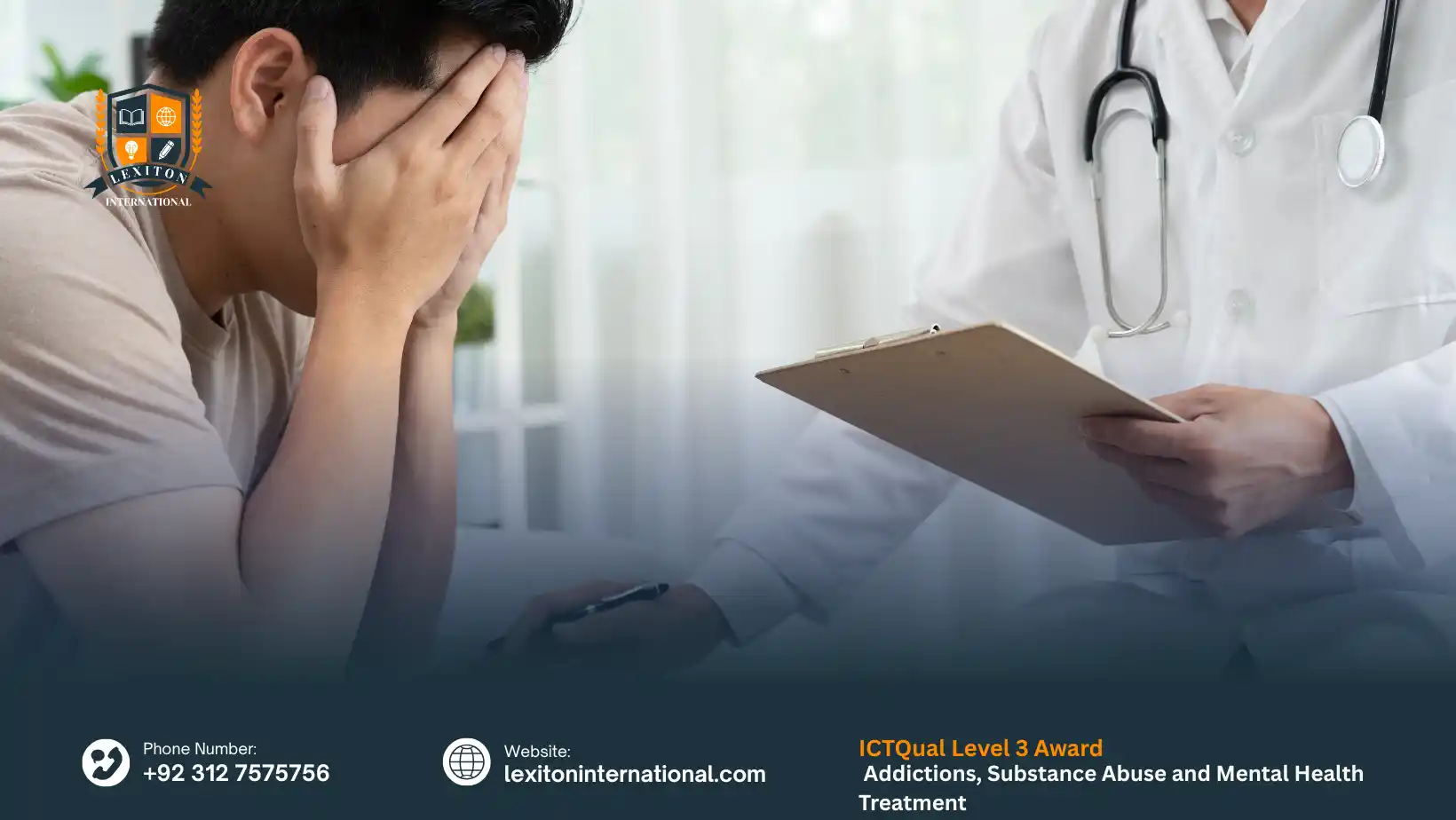
The ICTQual Level 3 Award in Addictions, Substance Abuse and Mental Health Treatment is designed to provide learners with essential knowledge of addiction issues and mental health challenges. The course covers key topics such as types of addiction, causes and effects of substance abuse, psychological impact, and basic treatment approaches. Learners will also explore counselling techniques, recovery support methods, and the importance of empathy and communication when working with affected individuals.
This qualification is suitable for individuals who want to work in healthcare, counselling, rehabilitation centres, or social care services. It is also ideal for those interested in mental health support or community outreach roles. By focusing on practical understanding and awareness, the course helps learners develop the knowledge, sensitivity, and skills needed to support individuals dealing with addiction and mental health challenges effectively.
- Age Requirements: Learners must be at least 18 years or older at the time of enrollment.
- Professional Experience: No prior experience is required, making this course suitable for beginners. It is ideal for individuals new to addiction and mental health studies.
- Educational Background: A basic secondary school education or equivalent is recommended. No specific subjects are required, but an interest in health or social care is helpful.
- English Language Proficiency: Learners must have a good command of English to engage with course materials, assessments, and technical documentation effectively.
Mandatory Units
Skills You Will Gain
Introduction to Addictions and Substance Abuse
- Understanding Addiction:
- Define addiction and its characteristics.
- Explain the psychological and physiological factors contributing to addiction.
- Identify common substances of abuse and their effects on the body and mind.
- Impact of Addiction:
- Analyze the impact of addiction on individuals, families, and communities.
- Evaluate societal attitudes towards addiction and their implications for treatment and support.
- Public Health Perspective:
- Discuss the public health implications of addiction.
- Explore harm reduction strategies and their effectiveness in reducing substance-related harms.
Mental Health Disorders and Co-occurring Conditions
- Identification and Diagnosis:
- Recognize symptoms and signs of common mental health disorders.
- Differentiate between primary mental health disorders and those co-occurring with substance abuse.
- Understanding Co-occurrence:
- Analyze the relationship between substance abuse and mental health disorders (e.g., dual diagnosis).
- Discuss the challenges and considerations in treating individuals with co-occurring disorders.
- Treatment Planning:
- Develop integrated treatment plans for individuals with co-occurring disorders.
- Identify resources and strategies for managing concurrent mental health and substance use issues.
Counseling Skills and Techniques
- Communication Skills:
- Demonstrate active listening and effective communication techniques in counseling settings.
- Establish rapport and build trust with clients experiencing addiction and mental health challenges.
- Empathy and Non-judgmental Support:
- Practice empathy and non-judgmental attitudes in counseling interactions.
- Apply person-centered approaches to understand and address clients’ needs and concerns.
- Crisis Intervention:
- Utilize crisis intervention techniques to support clients in acute distress or crises.
- Implement strategies for de-escalation and safety planning in crisis management.
Treatment Approaches and Interventions
- Evidence-Based Practices:
- Evaluate evidence-based treatment modalities for addiction and substance abuse.
- Discuss the effectiveness and limitations of different treatment approaches (e.g., cognitive-behavioral therapy, motivational interviewing).
- Behavioral Change Strategies:
- Apply behavioral change theories and techniques to facilitate client motivation and readiness for change.
- Develop personalized treatment plans based on client strengths and goals.
- Relapse Prevention:
- Identify triggers and risk factors for relapse in addiction recovery.
- Implement relapse prevention strategies and support mechanisms to sustain long-term recovery.
Ethical and Legal Considerations in Addiction Counseling
- Ethical Principles:
- Apply ethical principles (e.g., autonomy, beneficence, confidentiality) in addiction counseling practice.
- Navigate ethical dilemmas related to informed consent, boundaries, and dual relationships.
- Legal Frameworks:
- Understand legal obligations and responsibilities in addiction treatment and counseling.
- Comply with legal requirements for documentation, reporting, and confidentiality in client care.
Community Support and Resources
- Role of Community Resources:
- Identify community-based resources and support services for individuals affected by addiction and mental health issues.
- Collaborate with community organizations to enhance access to care and support networks.
- Advocacy and Outreach:
- Advocate for policy changes and community initiatives to improve addiction treatment and mental health services.
- Engage in outreach activities to raise awareness and reduce the stigma associated with addiction and mental health disorders.
Personal and Professional Development
- Reflective Practice:
- Engage in reflective practice to evaluate personal attitudes, biases, and growth in addiction counseling.
- Apply reflective techniques to enhance self-awareness and professional development.
- Continuing Education:
- Pursue ongoing learning opportunities and professional development in addiction counseling.
- Stay informed about current research, trends, and best practices in the field of addiction and mental health treatment.
This course is designed for individuals who want to understand addiction, substance abuse, and mental health treatment in a structured and practical way. It is suitable for learners who aim to work in healthcare, counselling, or social support services, as well as those who want to build awareness of how addiction affects individuals and communities.
Who Is this for
- Individuals interested in addiction and mental health support
- Learners aiming to work in healthcare or rehabilitation services
- Beginners who want to start a career in counselling or social care
- Workers in community support or outreach programs
- Individuals seeking to understand substance abuse and recovery processes
- Those planning to progress into mental health or psychology studies
This qualification provides a strong foundation for anyone interested in addiction and mental health treatment. It helps learners build awareness, develop understanding, and prepare for future opportunities in healthcare and support-based careers.
After completing the ICTQual Level 3 Award in Addictions, Substance Abuse and Mental Health Treatment, learners can progress into a range of academic and career pathways within healthcare, counselling, and mental health support services. This qualification builds essential awareness and understanding of addiction and recovery, helping learners move toward more specialised roles and further study.
Future Progression
- Apply for roles such as support worker, rehabilitation assistant, or care assistant
- Work in rehabilitation centres, community health services, and counselling organisations
- Develop skills for roles in social care and mental health support services
- Continue training in psychology, psychotherapy, or substance abuse counselling
- Gain experience leading toward specialist addiction recovery and mental health roles
This course provides a strong pathway for long-term development in addiction and mental health support fields. It helps learners improve knowledge, enhance career opportunities, and build a clear route toward professional growth in healthcare and counselling services.
Curious About This Course?