Professional Taxidermy Training: ICTQual Level 1 Award
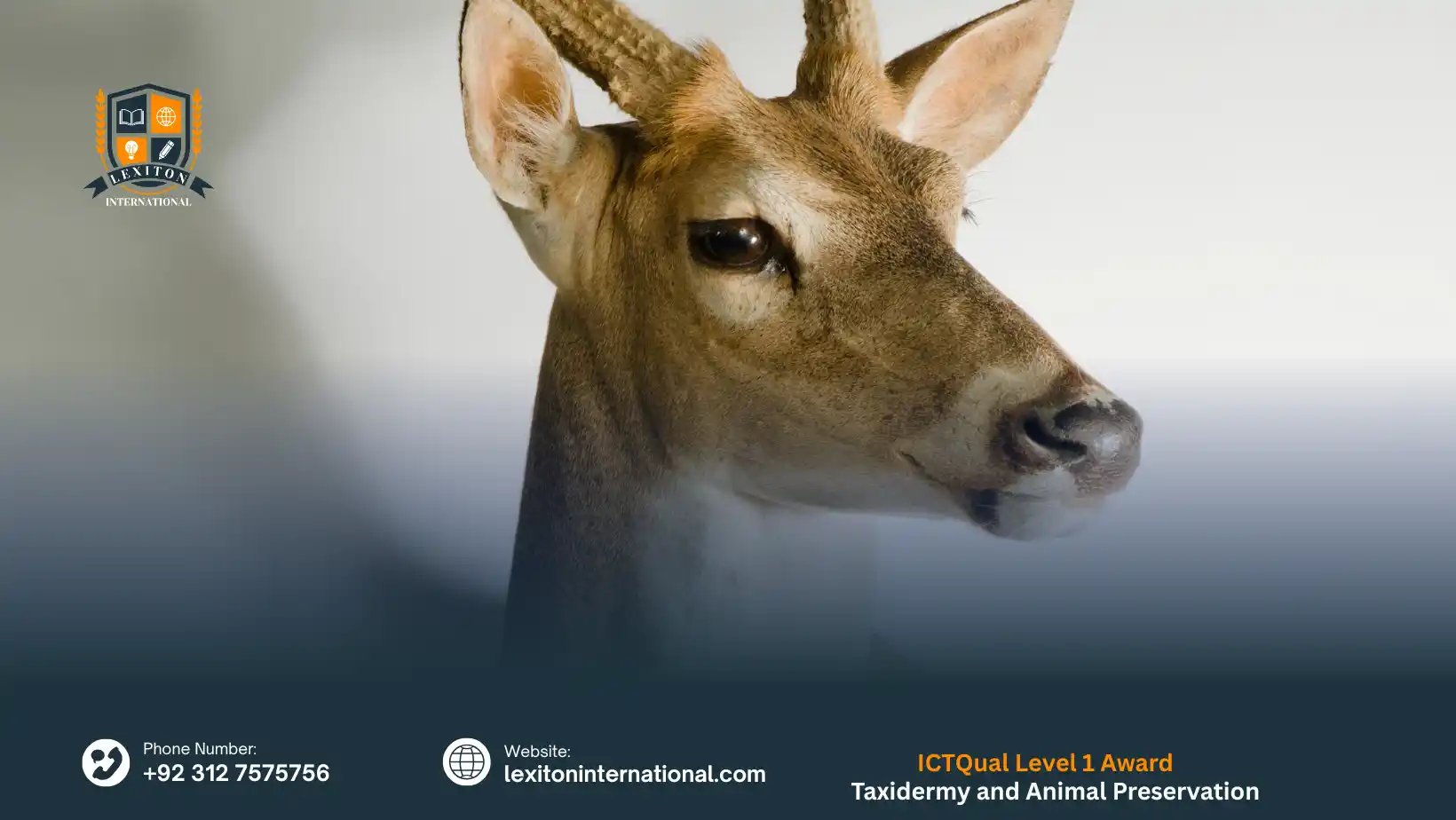
The ICTQual Level 1 Award in Taxidermy and Animal Preservation Techniques is an introductory vocational qualification that blends biological science with artistic craftsmanship. It focuses on the fundamental ethics, safety protocols, and technical methods required to preserve animal specimens for educational, scientific, or commemorative purposes. Unlike casual workshops, this award provides a structured framework for understanding anatomy, skin preparation, and long-term specimen maintenance, ensuring all work meets modern legal and hygiene standards.
The preservation of nature’s intricate forms is an ancient craft that serves as a vital bridge between life, science, and art. In a world where biodiversity is rapidly changing, the ability to accurately preserve biological specimens is essential for museum curation, scientific research, and environmental education. Taxidermy is not merely about mounting a specimen; it is an act of historical recording that allows us to study the physical nuances of species long after they have passed. By pursuing the ICTQual Level 2 Award in Taxidermy and Animal Preservation Techniques, you enter a disciplined world where steady hands and anatomical knowledge converge.
The importance of this field lies in its contribution to conservation and public awareness. High-quality animal preservation allows the public to connect with wildlife in a tangible way, fostering a deeper respect for the natural world. This qualification ensures that your journey into this complex art form begins with a focus on ethical sourcing and professional safety. By mastering the ICTQual Level 2 Award in Taxidermy and Animal Preservation Techniques, you transform a fascination with natural history into a technical skill set that honors the animal’s legacy while providing invaluable data for future generations.
- Age Requirements: Learners must be at least 16 years or older at the time of enrollment.
- Professional Experience: This is a beginner-friendly course; no prior experience in taxidermy or skinning is necessary.
- Educational Background: No formal academic prerequisites are required for this introductory level.
- English Language Proficiency: Learners must have a good command of English to engage with course materials, assessments, and technical documentation effectively.
Mandatory Units
Skills You Will Gain
Introduction to Taxidermy and Preservation Basics
- Understand the purpose and scope of taxidermy and animal preservation in education, museums, and conservation.
- Identify basic tools, materials, and methods used in introductory taxidermy practices.
- Recognize the importance of accuracy and care in specimen preparation and display.
- Demonstrate awareness of ethical considerations and cultural sensitivity in animal preservation.
- Develop foundational knowledge to progress into more advanced taxidermy techniques.
Safe Handling of Specimens and Tools
- Apply correct safety procedures when handling specimens, chemicals, and preservation materials.
- Demonstrate proper use of basic taxidermy tools such as knives, scalpels, and mounting equipment.
- Understand hygiene practices to prevent contamination and ensure safe working conditions.
- Follow workshop safety guidelines, including protective clothing and equipment use.
- Show responsibility in maintaining safe and organized workspaces during practical activities.
Fundamental Cleaning and Preparation Techniques
- Perform basic cleaning of specimens to prepare them for preservation and mounting.
- Apply simple preparation methods to ensure specimens are suitable for display or study.
- Understand the role of cleaning in preventing deterioration and maintaining specimen quality.
- Demonstrate care and precision in handling delicate animal parts during preparation.
- Develop confidence in applying introductory preservation techniques for small specimens.
The ICTQual Level 1 Award in Taxidermy and Animal Preservation Techniques is specifically designed for individuals who have a profound respect for nature and a desire to learn the meticulous skills of specimen curation. Many beginners find the world of preservation intimidating due to the technicalities of skinning and the chemicals involved. This course solves that problem by providing a safe, step-by-step introduction to the craft, moving you from curiosity to competent practice.
Who Is this for
- Aspiring Taxidermists: Individuals looking for a formal, vocational starting point in the industry.
- Museum Volunteers: Those wanting to assist in the maintenance and cleaning of natural history collections.
- Science Educators: Teachers who wish to create or preserve their own biological teaching aids.
- Artisans and Artists: Creatives who want to incorporate ethically sourced, preserved biological elements into their work.
- Hobbyist Naturalists: People who collect found specimens and wish to preserve them using professional-grade Animal Preservation Techniques.
- Veterinary Students: Individuals seeking to improve their understanding of small animal anatomy through hands-on preparation.
- Wildlife Conservationists: Professionals who need to preserve specimens for field research or identification kits.
- History Enthusiasts: Those fascinated by Victorian-era preservation who want to learn modern, safe Taxidermy methods.
Completing the ICTQual Level 1 Award in Taxidermy and Animal Preservation Techniques provides a solid foundation for further specialization within the field of biological arts. By mastering basic Animal Preservation Techniques, you prepare yourself for more advanced certifications that focus on complex mounting and restoration. This award is the first step toward a career where technical precision meets natural history.
Future Progression
- Intermediate Taxidermy: Move toward Level 2 and Level 3 awards focusing on larger mammals and bird-specific mounting.
- Curation Assistant: Work in small private museums or local nature centers maintaining biological displays.
- Specimen Restoration: Specialize in the repair and cleaning of antique taxidermy collections using modern safety standards.
- Tannery Operations: Shift into the leather and hide processing industry with a strong grasp of skin preparation.
- Natural History Illustration: Use your anatomical knowledge gained in the ICTQual Level 1 Award in Taxidermy and Animal Preservation Techniques to excel in scientific drawing.
Curious About This Course?