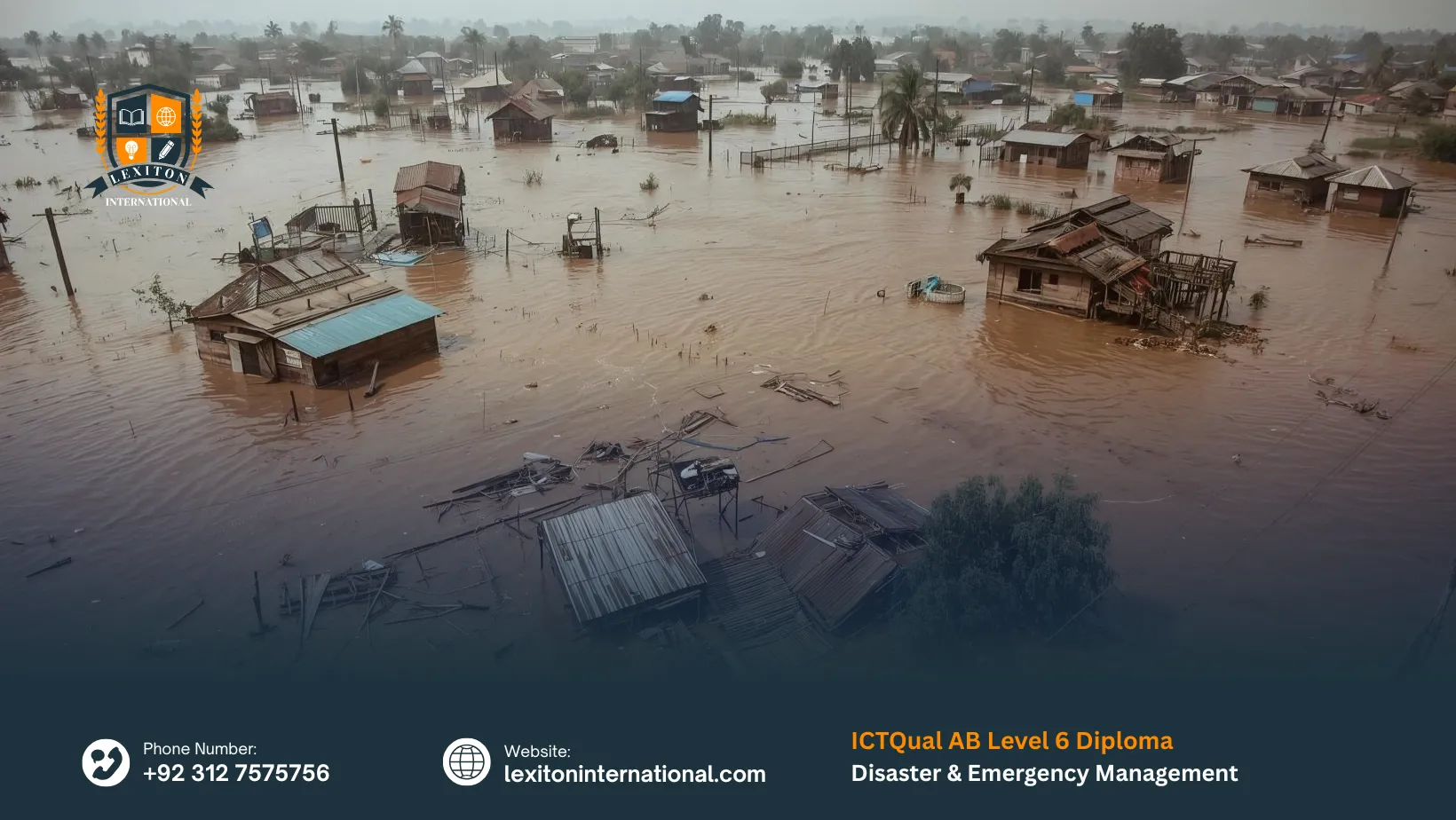
The ICTQual AB Level 6 International Diploma in Disaster & Emergency Management is a comprehensive qualification designed to provide learners with advanced knowledge and practical understanding of disaster preparedness, emergency response, crisis coordination, and risk management. In today’s rapidly changing world, organizations and communities face a wide range of natural, environmental, technological, and human-induced emergencies, making effective disaster and emergency management an essential professional discipline.
This diploma develops a strong understanding of the principles, frameworks, and strategies used to prevent, mitigate, respond to, and recover from emergencies and disasters. Learners explore key areas such as emergency planning, incident management, disaster risk reduction, business continuity, humanitarian response, and resilience building. The programme emphasizes the importance of coordinated action, effective communication, and evidence-based decision-making during emergency situations.
Aligned with international best practices, the ICTQual AB Level 6 International Diploma in Disaster & Emergency Management equips learners with the competencies required to contribute to emergency preparedness initiatives and support organizational resilience. The qualification combines theoretical knowledge with practical application, enabling learners to understand complex emergency scenarios, evaluate risks, and implement effective management strategies that help protect people, infrastructure, resources, and the environment during times of crisis.
- Age Requirements: Applicants must be 18 years or above at the time of enrollment.
- Professional Experience: Prior work experience is not mandatory.
- Educational Background: A Level 5 qualification or an equivalent qualification in a relevant field is recommended.
- English Language Proficiency: Learners should possess a reasonable level of English language proficiency.
Mandatory Units
Year 1 – Foundations of Disaster & Emergency Management
Year 2 – Applied Disaster & Emergency Management Practices
Year 3 – Strategic Leadership in Disaster & Emergency Management
Skills You Will Gain
Learning Outcomes for the ICTQual AB Level 6 International Diploma in Disaster & Emergency Management Studies 360 Credits – Three Years:
Year 1 – Foundations of Disaster & Emergency Management
1. Introduction to Disaster and Emergency Management
- Explain the fundamental concepts, objectives, and scope of disaster and emergency management.
- Identify key stakeholders and their roles in disaster response.
2. Types and Causes of Disasters
- Analyse natural, technological, and human-induced disasters.
- Assess the primary causes and potential impacts of various disaster types.
3. Principles of Risk Assessment and Management
- Conduct basic risk assessments for organisations and communities.
- Develop strategies to mitigate and manage potential hazards.
4. Emergency Planning and Preparedness
- Design emergency preparedness plans for different scenarios.
- Identify resources, roles, and responsibilities in emergency planning.
5. Crisis Communication and Stakeholder Engagement
- Develop effective communication strategies during emergencies.
- Engage stakeholders to support disaster preparedness and response.
6. Introduction to Humanitarian Response
- Explain the principles of humanitarian aid and disaster relief.
- Evaluate organisational structures involved in emergency humanitarian support.
7. Disaster Legislation, Policies, and Governance
- Analyse national and international disaster management legislation.
- Apply governance frameworks to ensure compliance and ethical practice.
8. Environmental Impacts of Disasters
- Assess environmental consequences of disasters.
- Propose measures to reduce ecological damage during and after emergencies.
9. Resource Management in Emergency Situations
- Manage personnel, equipment, and logistical resources effectively.
- Prioritise resources according to disaster severity and operational needs.
10. Introduction to Project Management in Disaster Response
- Plan and execute small-scale disaster management projects.
- Monitor project performance and ensure alignment with objectives.
11. Health and Safety in Disaster Management
- Identify health and safety risks in emergency operations.
- Implement measures to protect responders and affected communities.
12. Ethical Considerations in Emergency Operations
- Apply ethical principles in decision-making during disasters.
- Ensure accountability and transparency in disaster response activities.
Year 2 – Applied Disaster & Emergency Management Practices
1. Advanced Risk Assessment and Vulnerability Analysis
- Conduct in-depth risk assessments for communities and organisations.
- Identify vulnerabilities and propose targeted mitigation strategies.
2. Disaster Mitigation Strategies
- Develop and implement disaster mitigation plans.
- Evaluate the effectiveness of preventive measures and interventions.
3. Emergency Operations and Response Coordination
- Coordinate multi-agency disaster response operations.
- Apply incident command principles to ensure efficient resource use.
4. Incident Command Systems and Leadership
- Lead operational teams during emergencies using structured command systems.
- Make critical decisions under pressure to maintain operational effectiveness.
5. Humanitarian Logistics and Supply Chain Management
- Plan and manage logistics for relief distribution and emergency supplies.
- Optimise supply chain processes to enhance disaster response efficiency.
6. Community Preparedness and Awareness Programmes
- Design and deliver disaster awareness campaigns.
- Engage communities to promote preparedness and resilience.
7. Disaster Recovery and Rehabilitation Planning
- Develop recovery plans to restore infrastructure and services.
- Implement rehabilitation strategies for affected populations.
8. Crisis Management for Organisations and Institutions
- Develop organisational crisis management frameworks.
- Ensure business continuity during and after emergencies.
9. Use of Technology and Digital Tools in Disaster Management
- Utilise GIS, early warning systems, and digital tools for disaster monitoring.
- Analyse data to inform response planning and decision-making.
10. Environmental Sustainability in Disaster Operations
- Integrate sustainability principles into disaster response activities.
- Minimise environmental impact during operations and recovery.
11. Applied Research Methods in Disaster Management
- Apply research methodologies to evaluate disaster management practices.
- Analyse data to support evidence-based decision-making.
12. Operational Planning and Simulation Exercises
- Develop detailed operational plans for simulated disaster scenarios.
- Evaluate performance and identify areas for improvement.
Year 3 – Strategic Leadership in Disaster & Emergency Management
1. Strategic Leadership in Disaster Management
- Lead organisational strategies in disaster preparedness and response.
- Develop policies and procedures that enhance operational resilience.
2. International Disaster Management Frameworks and Standards
- Analyse international standards and frameworks in disaster management.
- Ensure organisational alignment with global best practices.
3. Policy Development and Regulatory Compliance
- Develop disaster management policies aligned with legislation.
- Monitor and enforce compliance with relevant regulations.
4. Advanced Crisis and Risk Communication
- Develop comprehensive crisis communication strategies.
- Manage communication across multiple channels and stakeholders.
5. Disaster Resilience and Business Continuity Planning
- Design strategies to enhance organisational and community resilience.
- Implement business continuity plans to minimise disruption during emergencies.
6. Climate Change and Disaster Risk Reduction
- Assess the impact of climate change on disaster risk.
- Develop adaptation and mitigation strategies to reduce vulnerability.
7. Emergency Preparedness for Critical Infrastructure
- Plan for the protection of critical infrastructure during disasters.
- Conduct risk assessments and implement mitigation measures.
8. Governance, Ethics, and Accountability in Disaster Management
- Apply ethical leadership and governance principles in emergency operations.
- Ensure transparency, accountability, and compliance in decision-making.
9. Innovation and Emerging Technologies in Emergency Response
- Evaluate and apply emerging technologies to enhance disaster management.
- Integrate innovative solutions to improve response efficiency and effectiveness.
10. Strategic Planning and Resource Mobilisation
- Plan large-scale emergency operations and allocate resources effectively.
- Coordinate multi-agency responses to complex disaster scenarios.
11. Independent Research Project in Disaster & Emergency Management
- Conduct independent research on a relevant topic in disaster management.
- Present findings and evidence-based recommendations for practical application.
12. Capstone Project: Applied Disaster & Emergency Management
- Integrate knowledge and skills from all units into a comprehensive applied project.
- Demonstrate strategic planning, operational execution, and leadership in disaster scenarios.
The ICTQual AB Level 6 International Diploma in Disaster & Emergency Management is suitable for individuals seeking to strengthen their knowledge of emergency preparedness, disaster risk reduction, crisis response, and organizational resilience. The qualification provides practical and strategic insights into managing emergencies effectively across public, private, and humanitarian sectors. It is designed to support the development of professional competencies required in modern disaster and emergency management environments.
Who Is This Course For?
- Disaster preparedness and emergency response professionals.
- Emergency management and crisis coordination personnel.
- Public safety, civil protection, and emergency service workers.
- Business continuity and resilience planning professionals.
- Humanitarian and disaster relief personnel.
- Risk management and mitigation specialists.
- Health, safety, and security practitioners.
- Government and local authority emergency planning staff.
- NGO personnel involved in emergency and resilience projects.
- Professionals seeking expertise in disaster and emergency management practices.
The ICTQual AB Level 6 International Diploma in Disaster & Emergency Management equips learners with advanced knowledge and practical competencies that can support professional growth within disaster management, emergency response, resilience planning, and risk management environments. The qualification enhances the ability to manage complex emergency situations, contribute to organizational preparedness, and strengthen operational effectiveness across various sectors.
Future Progression
- Take on increased responsibilities in disaster and emergency management functions.
- Contribute to the development and implementation of emergency response strategies.
- Support organizational resilience and business continuity initiatives.
- Participate in disaster risk assessment and mitigation planning activities.
- Lead emergency preparedness, response, and recovery projects.
- Strengthen capabilities in crisis communication and incident coordination.
- Contribute to humanitarian relief and community resilience programmes.
- Support policy development related to emergency management and risk reduction.
- Enhance effectiveness in public safety, security, and emergency planning roles.
- Apply internationally recognized disaster and emergency management practices in professional settings.
Curious About This Course?