Introduction
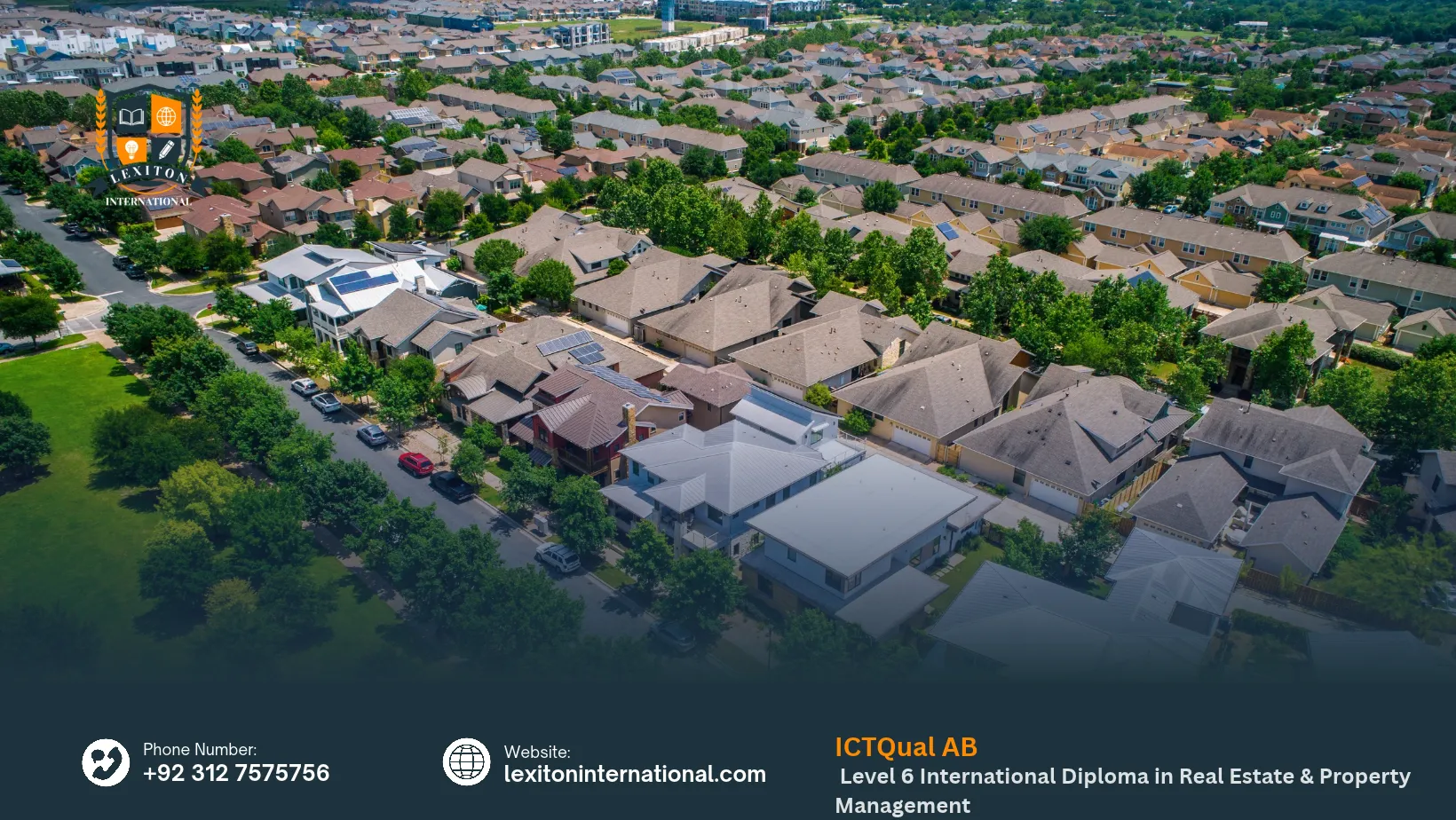
The ICTQual AB Level 6 International Diploma in Real Estate & Property Management is designed to develop Learners’ knowledge of property operations, real estate administration and the strategic management of residential, commercial and investment properties. The qualification explores how property professionals manage assets, maintain occupancy, coordinate maintenance activities and support the financial performance of real estate portfolios.
Throughout the course, Learners develop an understanding of property valuation principles, tenancy management, lease administration, facilities coordination, rental income monitoring and property-related risk management. The programme also highlights the importance of customer relations, regulatory awareness, maintenance planning and effective communication with landlords, tenants, contractors and other stakeholders. These areas help Learners understand the operational and commercial responsibilities involved in managing property assets effectively.
The qualification is suitable for aspiring property managers, real estate professionals, facilities coordinators, property administrators and individuals interested in the property investment and management sector. It encourages analytical thinking, decision-making, organisational skills and commercial awareness to support effective property management practices.
By developing industry-relevant knowledge, the ICTQual AB Level 6 International Diploma in Real Estate & Property Management can help Learners prepare for responsibilities involving property operations, tenancy coordination, asset management and real estate administration. These competencies are relevant to estate agencies, property management companies, commercial landlords and real estate organisations, with career opportunities depending on experience, employer requirements and applicable professional regulations.
The ICTQual AB Level 6 International Diploma in Real Estate & Property Management is suitable for Learners interested in property administration, real estate operations, facilities coordination and property asset management. The following general entry guidelines can help prospective Learners assess their suitability for the qualification.
- Age: Normally 18 years or above, subject to the approved training centre’s admission requirements.
- Experience: Relevant experience in real estate, property management, facilities management, estate agency or business administration is beneficial.
- Language Proficiency: Good English reading, writing, speaking and comprehension skills are recommended to understand course materials, property documentation and assessment requirements.
- Educational Background: A relevant academic or professional qualification in real estate, property management, business administration, facilities management or a related field is recommended. Equivalent education or relevant experience may be considered, subject to the training centre’s requirements.
This qualification, the ICTQual AB Level 6 International Diploma in Real Estate & Property Management, consists of 36 mandatory units.
Year 1 – Foundation in Real Estate & Property Management
- Principles of Real Estate and Property Management
- Introduction to Property Development Projects
- Construction Materials and Methods in Property
- Property Valuation Fundamentals
- Project Planning and Scheduling in Property Management
- Health, Safety, and Environmental Awareness in Property
- Communication and Stakeholder Management in Real Estate
- Digital Tools and Property Management Systems
- Financial Management in Property Projects
- Quality Assurance and Control in Property Management
- Legal and Regulatory Frameworks in Real Estate
- Professional Ethics and Conduct in Property Management
Year 2 – Intermediate Real Estate & Property Management Practices
- Advanced Property Valuation Techniques
- Resource Management and Allocation in Property Projects
- Project Cost Estimation and Budgeting in Real Estate
- Lease Administration and Contract Management
- Procurement and Supply Chain Management in Property
- Risk Analysis and Mitigation in Property Management
- Leadership and Team Management in Property Projects
- Facilities and Site Management
- Sustainable Development and Environmental Management in Real Estate
- Project Monitoring and Reporting in Property Management
- Problem-Solving and Decision-Making in Real Estate Projects
- Communication and Negotiation Skills in Property Management
Year 3 – Advanced Real Estate & Strategic Leadership
- Strategic Property Management and Investment
- Advanced Infrastructure and Property Planning
- Real Estate Portfolio Management
- Innovation and Emerging Technologies in Property
- Advanced Risk and Crisis Management in Property Projects
- Contract Management and Legal Compliance in Real Estate
- Leadership in Real Estate Projects
- Advanced Project Control and Performance Measurement
- Project Governance and Compliance in Property Management
- Research Methods and Project Analysis in Real Estate
- Capstone Project in Real Estate & Property Management
- Professional Development and Career Planning
Skills You Will Gain
The ICTQual AB Level 6 International Diploma in Real Estate & Property Management helps Learners develop knowledge of property operations, tenancy administration, asset performance and facilities coordination. The course focuses on the practical and commercial aspects of managing property portfolios, maintaining occupancy, supporting financial performance and maintaining professional relationships with property stakeholders.
- Property Portfolio Management: Understand how residential, commercial and mixed-use properties can be organised, monitored and managed according to ownership objectives.
- Tenancy and Lease Administration: Develop knowledge of tenancy documentation, lease conditions, rental agreements, renewals and tenant communication.
- Property Financial Management: Learn about rental income monitoring, operating expenditure, service charges, budgeting and financial record-keeping.
- Property Asset Performance: Understand how occupancy, maintenance costs, rental income and property condition influence asset performance.
- Facilities Coordination: Develop knowledge of coordinating cleaning, security, maintenance, repairs and other services required for effective property operations.
- Property Maintenance Planning: Understand how inspections, preventive maintenance schedules and repair programmes can help maintain building condition and usability.
- Tenant Relationship Management: Strengthen skills in responding to tenant enquiries, handling complaints, communicating expectations and supporting tenant satisfaction.
- Property Marketing and Occupancy: Explore approaches to presenting properties, supporting rental marketing activities and maintaining occupancy levels.
- Property Valuation Awareness: Understand the factors that may influence property value, including location, condition, market demand, comparable properties and income potential.
- Real Estate Market Analysis: Develop awareness of how rental trends, local market conditions, supply and demand can influence property management decisions.
- Property Risk Management: Identify potential operational, financial, maintenance and tenancy risks and understand the importance of appropriate control measures.
The ICTQual AB Level 6 International Diploma in Real Estate & Property Management is designed for Learners who want to develop their knowledge of property operations, tenancy administration, real estate assets and facilities coordination. It is suitable for individuals interested in managing residential, commercial and investment properties while improving their understanding of property performance, tenant relations and real estate business practices.
Who Is This Course For
This course is particularly suitable for:
- Aspiring Property Managers: Individuals interested in managing rental properties, coordinating maintenance and supporting effective property operations.
- Real Estate Professionals: Individuals seeking to strengthen their knowledge of property administration, tenancy management and asset performance.
- Estate Agents: Professionals who want to understand property management responsibilities alongside property marketing and client relations.
- Facilities Management Professionals: Individuals involved in building maintenance, service coordination, inspections and property operations.
- Property Administrators: Professionals responsible for tenancy records, lease documentation, rental information and property-related correspondence.
- Landlords and Property Owners: Individuals who want to improve their understanding of rental management, property maintenance and tenant relationships.
- Real Estate Investors: Individuals interested in understanding rental income, operating costs, occupancy and property asset performance.
- Commercial Property Professionals: Individuals involved in managing offices, retail premises, industrial buildings and other commercial properties.
- Residential Property Coordinators: Professionals who support the management of apartments, housing developments and residential rental portfolios.
- Property Maintenance Coordinators: Individuals responsible for arranging repairs, coordinating contractors and monitoring property condition.
- Lease and Tenancy Administrators: Professionals involved in rental agreements, renewals, tenancy documentation and communication with tenants.
- Customer Service Professionals in Real Estate: Individuals seeking to strengthen their skills in tenant support, complaint handling and stakeholder communication.
- Business and Administration Professionals: Individuals interested in applying their organisational and management skills within the property sector.
- Property Development Support Staff: Individuals involved in property operations, asset handover and the coordination of building-related services.
Future Progression
The ICTQual AB Level 6 International Diploma in Real Estate & Property Management can help Learners develop professional knowledge relevant to property operations, tenancy administration, facilities coordination and real estate asset management. By strengthening their understanding of property performance, rental administration, maintenance planning and stakeholder relationships, Learners can prepare for responsibilities across residential, commercial and investment property environments.
- Property Manager: Coordinate day-to-day property operations, tenancy matters, maintenance activities and communication with property stakeholders.
- Assistant Property Manager: Support senior property management professionals with tenant records, inspections, rental administration and operational reporting.
- Real Estate Operations Coordinator: Assist with organising property activities, managing documentation and coordinating service providers.
- Facilities Management Coordinator: Support building maintenance, facilities services, contractor scheduling and property condition monitoring.
- Commercial Property Coordinator: Assist with managing office buildings, retail premises and other commercial properties, including tenant communication and service coordination.
- Residential Property Manager: Support the administration of rental housing, apartment buildings and residential property portfolios.
- Lease Administration Officer: Maintain lease records, monitor renewal dates, organise tenancy documentation and support rental administration.
- Property Asset Management Assistant: Contribute to monitoring occupancy, operating costs, rental income and property performance indicators.
- Property Investment Support Analyst: Assist with reviewing rental income, expenditure, occupancy information and other factors relevant to property investment decisions.
- Property Maintenance Coordinator: Organise repair requests, schedule inspections, coordinate contractors and maintain maintenance records.
Curious About This Course?