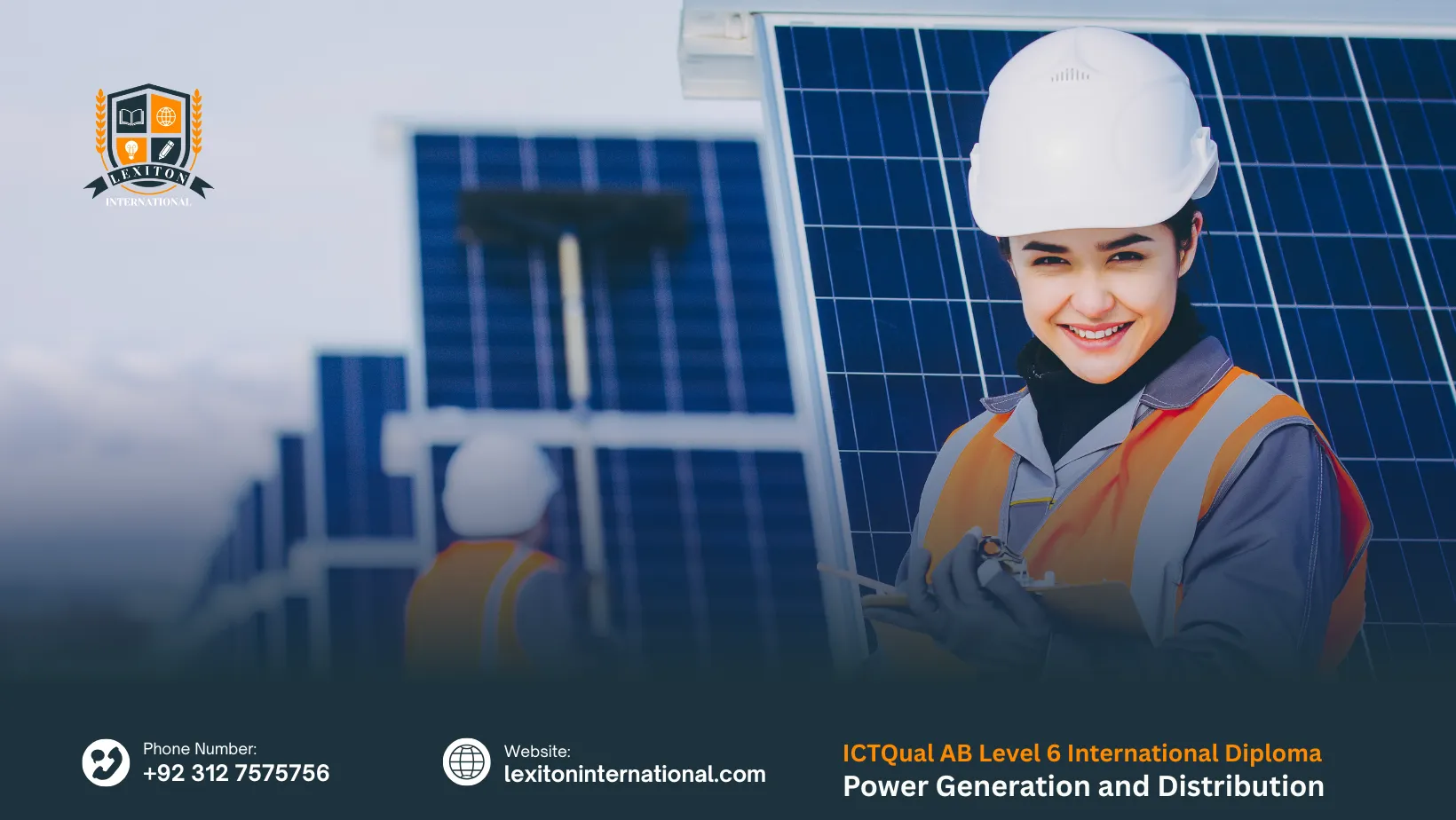
The ICTQual AB Level 6 International Diploma in Power Generation and Distribution is an advanced qualification designed to provide learners with the technical expertise and managerial skills required to excel in the global energy sector. With the increasing demand for reliable, efficient, and sustainable electricity, this diploma equips learners with the knowledge to understand, manage, and optimize both conventional and renewable power generation systems as well as modern distribution networks.
The program explores a wide range of topics, including power plant operations, grid management, transmission systems, safety protocols, and regulatory compliance. Learners will also gain insights into emerging technologies such as smart grids, renewable energy integration, and energy efficiency strategies. By combining theoretical knowledge with practical applications, the course ensures participants are prepared to address real-world challenges in power generation and distribution.
Graduates of this diploma will be well-positioned for senior roles in power plants, utility companies, energy consultancies, and government agencies. The qualification is internationally recognized, making it an excellent choice for professionals seeking to advance their careers in the energy industry while contributing to sustainable and efficient power systems worldwide.
The ICTQual AB Level 6 International Diploma in Power Generation and Distribution is designed for individuals who are committed to advancing their careers in the energy sector. To ensure participants gain the maximum benefit from this qualification, the following requirements are recommended:
- Age Requirement: Learners should ideally be 18 years or older, as the course involves advanced technical concepts, project management, and leadership responsibilities.
- Educational Background: A secondary school qualification is required. Preference is given to candidates with backgrounds in engineering, electrical sciences, energy management, or related technical fields.
- Work Experience: Prior experience in power generation, electrical engineering, or energy-related industries is beneficial but not mandatory. Candidates with exposure to utility operations, grid management, or renewable energy projects will find the course especially relevant.
- English Language Proficiency: Learners should have a good command of spoken and written English to understand technical content, participate in discussions, and complete assessments effectively.
- Professional Interest in Energy Systems: Applicants should have a genuine interest in power generation, transmission, and distribution. This course is ideal for professionals aiming to progress into senior roles within the energy and utilities sector.
Mandatory Units
This qualification, the ICTQual AB Level 6 International Diploma in Power Generation and Distribution, consists of 36 mandatory units.
Year 1 – Foundation in Power Generation & Distribution
Year 2 – Intermediate Power Generation & Distribution
Year 3 – Advanced Power Generation & Distribution
Learning Outcomes for the ICTQual AB Level 6 International Diploma in Power Generation & Distribution:
Year 1 – Foundation in Power Generation & Distribution
Principles of Electrical Power Systems
- Understand the fundamental principles of electrical power generation, transmission, and distribution.
- Analyse power system components and their functions in Power Generation & Distribution.
- Apply basic electrical engineering concepts to power networks.
Introduction to Power Generation Technologies
- Comprehend various power generation methods, including thermal, hydro, and renewable sources.
- Evaluate the advantages, limitations, and applications of each technology.
- Identify operational challenges in different power plants.
Fundamentals of Thermal Power Plants
- Understand the working principles of thermal power stations.
- Analyse boiler, turbine, and generator systems.
- Evaluate efficiency, output, and environmental considerations.
Basics of Hydroelectric and Renewable Generation
- Understand hydroelectric power generation principles.
- Explore renewable energy sources and their integration into power systems.
- Assess feasibility and environmental impact of renewable projects.
Electrical Machines and Circuit Theory
- Develop foundational knowledge of electrical machines, circuits, and their operations.
- Apply circuit analysis and machine principles to practical power applications.
- Solve basic electrical engineering problems in power systems.
Energy Conversion and Transmission Basics
- Comprehend energy conversion processes in power plants.
- Understand transmission system design and operational requirements.
- Analyse efficiency and reliability of energy delivery systems.
Health, Safety, and Environmental Awareness
- Identify potential hazards in power generation and distribution environments.
- Implement safety protocols and risk mitigation measures.
- Promote environmentally responsible practices in energy operations.
Power System Measurement and Instrumentation
- Understand measurement principles and instrumentation in electrical networks.
- Apply tools and sensors to monitor system performance.
- Analyse and interpret data to ensure efficient operation.
Laboratory Techniques in Electrical Systems
- Conduct practical experiments on electrical machines and power systems.
- Collect, analyse, and interpret experimental data.
- Apply laboratory findings to support theoretical understanding.
Technical Report Writing
- Develop skills in producing professional technical documentation.
- Communicate data, analysis, and recommendations clearly.
- Apply standard formatting, referencing, and technical writing conventions.
Introduction to Power Simulation Software
- Gain basic proficiency in power system simulation tools.
- Model electrical networks to predict performance and stability.
- Use simulations to support operational decision-making.
Energy Efficiency Fundamentals
- Understand key concepts of energy efficiency in generation and distribution.
- Identify methods to optimise system performance and reduce losses.
- Apply best practices for sustainable energy utilisation.
Year 2 – Intermediate Power Generation & Distribution
Advanced Thermal Power Plant Operations
- Analyse complex thermal plant operations and workflows.
- Implement optimisation strategies for efficiency and reliability.
- Troubleshoot operational issues in high-capacity power plants.
Renewable Integration in Power Systems
- Understand the integration of renewable energy sources into existing grids.
- Analyse technical and operational challenges of mixed-energy networks.
- Implement solutions for stability and efficiency.
Electrical Distribution Networks
- Explore design, operation, and maintenance of distribution systems.
- Evaluate load flow, voltage regulation, and network protection.
- Apply principles for effective distribution planning.
Grid Management and Load Analysis
- Monitor grid performance and demand patterns.
- Implement load management strategies to optimise stability.
- Analyse faults and disruptions in power networks.
Power System Protection and Control
- Understand protection devices and control systems in power networks.
- Analyse fault detection and mitigation techniques.
- Apply control strategies to enhance safety and reliability.
Energy Storage and Backup Systems
- Explore energy storage technologies and applications.
- Assess integration of storage solutions with generation and distribution systems.
- Optimise backup systems for grid reliability.
Process Control and Automation in Power Plants
- Implement automated control systems in power generation.
- Monitor and adjust processes to maintain optimal operation.
- Apply SCADA and other automation technologies.
Energy Management Strategies
- Develop strategies to optimise energy usage and reduce operational costs.
- Apply energy auditing and monitoring techniques.
- Evaluate energy efficiency improvements in generation and distribution.
Environmental Compliance and Sustainability in Power
- Assess environmental impacts of power systems.
- Implement sustainability measures and comply with regulations.
- Promote eco-friendly and socially responsible practices.
Quality Control and Assurance in Electrical Systems
- Establish quality standards for power generation and distribution.
- Conduct inspections, testing, and validation of system performance.
- Implement corrective actions to maintain reliability and safety.
Project Planning and Technical Communication
- Plan and manage power generation and distribution projects.
- Develop clear technical documentation and communication for stakeholders.
- Apply project management tools to ensure timely completion.
Data Analysis for Power Systems
- Collect and interpret data from power systems and network operations.
- Use analytical tools to improve performance and decision-making.
- Apply insights to optimise system efficiency and reliability.
Year 3 – Advanced Power Generation & Distribution
Advanced Power Plant Optimisation and Troubleshooting
- Implement advanced strategies for power plant efficiency and reliability.
- Diagnose and resolve operational and technical issues.
- Apply analytical tools for continuous optimisation.
Project Management in Energy Infrastructure
- Plan, execute, and manage large-scale energy projects.
- Allocate resources, manage risks, and ensure compliance.
- Evaluate project performance and outcomes.
Emerging Technologies in Power Generation
- Explore innovations in power generation, including smart grids and renewable integration.
- Assess feasibility and impact of emerging technologies.
- Integrate new solutions into existing infrastructure.
Smart Grid Design and Integration
- Understand smart grid architecture, technologies, and applications.
- Implement advanced monitoring and control for grid efficiency.
- Optimise integration of distributed energy resources.
Energy Storage Optimisation and Battery Technologies
- Analyse advanced storage solutions and battery technologies.
- Integrate storage with generation and distribution systems.
- Enhance grid reliability and energy efficiency.
Risk Assessment and Hazard Analysis in Power Systems
- Conduct comprehensive risk assessments for power plants and networks.
- Develop emergency response and hazard mitigation strategies.
- Ensure compliance with safety and regulatory standards.
Advanced Laboratory Techniques and Field Testing
- Perform sophisticated testing and field measurements in power systems.
- Analyse results to inform operational decisions and optimisation.
- Apply findings to improve system reliability and safety.
Transmission and Distribution Network Planning
- Design and plan electrical transmission and distribution networks.
- Analyse load flow, stability, and network expansion.
- Ensure operational efficiency and regulatory compliance.
Supply Chain and Logistics in Energy Operations
- Manage procurement, storage, and distribution of equipment and materials.
- Optimise supply chain for efficiency and cost-effectiveness.
- Integrate logistics planning with operational management.
Capstone Project in Power Generation & Distribution
- Conduct a comprehensive project combining knowledge from all units.
- Solve real-world challenges in power generation and distribution.
- Present findings and recommendations professionally.
Professional Development and Leadership in Energy
- Develop leadership, team management, and strategic planning skills.
- Enhance decision-making, communication, and project oversight capabilities.
- Prepare for senior operational and managerial roles.
Strategic Decision-Making in Power Systems
- Apply analytical tools and frameworks to make informed energy decisions.
- Consider operational, financial, and environmental factors in strategy.
- Implement long-term plans to ensure efficient, sustainable, and reliable power systems.
The ICTQual AB Level 6 International Diploma in Power Generation and Distribution is designed for ambitious learners who want to build advanced expertise in energy systems, grid management, and sustainable power solutions. It is best suited for individuals who are passionate about contributing to the global energy sector.
Industry Professionals Seeking Advancement
- Engineers and technicians working in power plants, utilities, or energy companies
- Professionals aiming to move into supervisory or managerial roles
- Safety and compliance officers who want to specialize in power systems
- Quality assurance staff seeking to integrate efficiency and sustainability
Graduates and Technical Specialists
- University graduates in electrical engineering, energy studies, or related fields
- Technical staff with prior exposure to power generation or distribution projects
- Learners with backgrounds in mechanical, civil, or industrial engineering
- Individuals seeking to bridge academic knowledge with practical applications
Career Changers and Aspiring Leaders
- Professionals from oil, gas, or manufacturing sectors transitioning to energy
- Mid-career individuals aiming to enhance their qualifications for global opportunities
- Aspiring leaders who want to combine technical expertise with management skills
- Learners motivated to contribute to sustainable and efficient energy systems
International Learners and Global Professionals
- Professionals seeking internationally recognized energy qualifications
- Learners aiming to work in multinational energy corporations or consultancies
- Individuals preparing for overseas assignments in power generation projects
- Candidates looking to strengthen their global employability in high-demand sectors
In essence, this diploma is ideal for learners who are passionate about energy systems, eager to advance into leadership roles, and committed to driving innovation and sustainability in the global power industry.
Completing the ICTQual AB Level 6 International Diploma in Power Generation and Distribution opens multiple academic and career progression opportunities. Learners can advance to higher-level qualifications, pursue specialized certifications, or step into senior roles within the energy and utilities sector.
Academic Progression
- Progress to Level 6 Diplomas in Energy Management, Electrical Engineering, or Sustainability
- Pursue specialized certifications in grid management, smart grids, or energy auditing
- Build a foundation for research and innovation in sustainable power technologies
Career Advancement in Energy Sector
- Step into supervisory roles such as Power Plant Supervisor or Grid Operations Coordinator
- Progress to managerial positions like Energy Project Manager or Distribution Manager
- Specialize as a Power Systems Engineer, Transmission Specialist, or Energy Consultant
- Transition into consultancy roles, advising on energy efficiency and compliance
Global Career Opportunities
- Work with multinational energy corporations, utilities, and government agencies
- Pursue opportunities in renewable energy integration, smart grid projects, and infrastructure development
- Gain eligibility for international assignments in power generation and distribution projects
- Strengthen employability in high-demand global markets focused on sustainable energy
Professional Development and Leadership
- Apply for professional memberships in energy and engineering associations
- Develop leadership skills for strategic planning and project management
- Prepare for roles in policy-making, advocacy, and energy leadership
- Use the diploma as a stepping stone to become a trainer, assessor, or industry mentor
Ultimately, this diploma is not just a qualification but a career accelerator, empowering learners to progress academically, advance professionally, and seize global opportunities in one of the most vital industries worldwide.
Curious About This Course?