Introduction
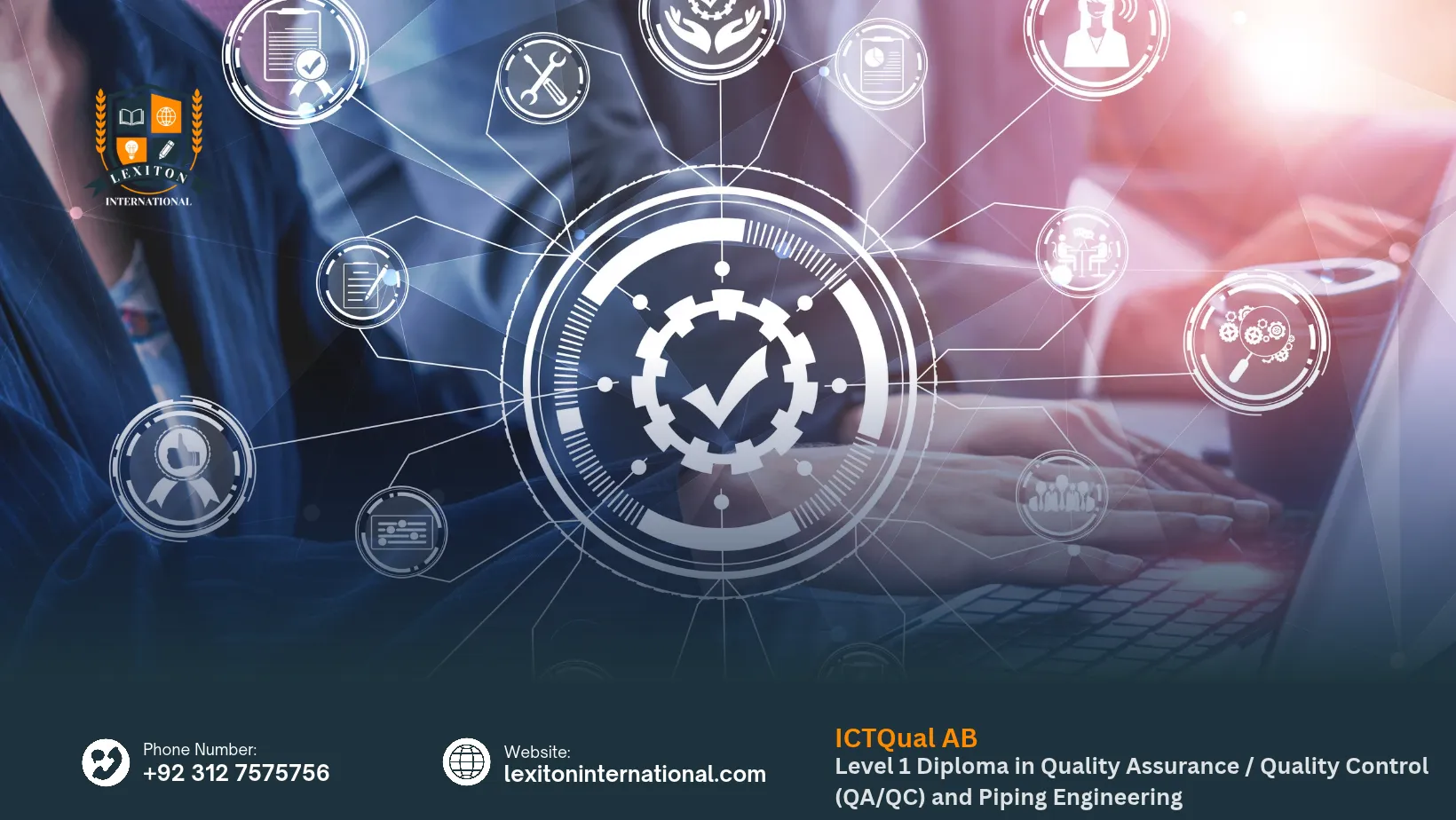
The ICTQual AB Level 1 Diploma in Quality Assurance / Quality Control (QA/QC) and Piping Engineering is designed to introduce Learners to the fundamental principles of quality control, quality assurance and piping engineering. The course provides essential knowledge of quality standards, piping components, inspection procedures and safe working practices used in engineering, construction, oil and gas, and industrial projects.
This Level 1 diploma introduces key concepts such as quality assurance and quality control, piping materials, pipe fittings, valves, technical drawings, inspection awareness, defect identification, documentation and workplace safety. Learners can develop an understanding of how quality procedures help ensure that piping systems meet specified requirements, maintain reliability and support efficient project operations. The course also highlights the importance of accurate records, adherence to technical specifications and effective communication within engineering teams.
The ICTQual AB Level 1 Diploma in QA/QC and Piping Engineering is suitable for Learners in Pakistan and internationally who want to build foundational knowledge for engineering-related environments. It can benefit beginners, aspiring quality inspectors, engineering support staff, construction workers and individuals interested in piping and industrial operations.
Through structured learning, Learners can strengthen their technical awareness, quality control knowledge and understanding of piping engineering principles, supporting their preparation for entry-level responsibilities in relevant industrial and engineering settings.
The ICTQual AB Level 1 Diploma in Quality Assurance / Quality Control (QA/QC) and Piping Engineering is suitable for Learners who want to develop foundational knowledge of quality assurance, quality control and piping engineering. Previous technical experience is not essential.
- Age: Learners should normally be 16 years or older.
- Experience: Previous experience in engineering, construction, piping, manufacturing or quality control is beneficial but not required.
- Language Proficiency: Basic English proficiency is recommended to understand technical terms, course materials and instructions.
- Educational Background: No specific formal qualification is normally required. Basic secondary education or an equivalent level of learning is recommended.
- Communication: Ability to understand instructions and communicate basic technical information.
- Learning Ability: Willingness to learn about piping components, quality inspection, engineering standards and safe working practices.
The ICTQual AB Level 1 Diploma in Quality Assurance / Quality Control (QA/QC) and Piping Engineering, qualification consisting of 5 mandatory study units.
Mandatory Units
- Fundamentals of QA / QC principles and quality management systems
- Basic introduction to piping engineering terminology and components
- Introduction to inspection processes, documentation and reporting
- Health, safety and environmental awareness in piping operations
- Technical drawing and measurement basics for piping systems
Skills You Will Gain
The ICTQual AB Level 1 Diploma in Quality Assurance / Quality Control (QA/QC) and Piping Engineering helps Learners develop foundational technical knowledge of quality procedures, piping systems and inspection practices used in engineering and industrial environments.
- Quality Assurance: Understand the basic principles of quality assurance and their role in maintaining engineering standards.
- Quality Control: Develop foundational knowledge of quality control procedures used in piping and industrial projects.
- Piping Components: Identify common piping components, including pipes, fittings, flanges, valves and connectors.
- Material Awareness: Understand the importance of selecting and checking piping materials against project requirements.
- Technical Drawings: Develop basic awareness of engineering drawings, piping layouts and technical symbols.
- Inspection Awareness: Understand the purpose of piping inspections and routine quality checks.
- Defect Identification: Recognise common piping defects and understand why they require appropriate attention.
- Quality Documentation: Understand the importance of maintaining accurate inspection records and quality documents.
- Technical Specifications: Develop awareness of project specifications, quality requirements and applicable standards.
- Measurement Awareness: Understand the role of basic measurements and dimensional checks in piping quality control.
- Welding Awareness: Recognise the importance of welding quality and inspection within piping systems.
- Non-Conformance: Understand how deviations from specified requirements are identified and reported.
- Workplace Safety: Recognise common hazards and the importance of following safe working practices in engineering environments.
- Quality Communication: Develop awareness of communicating quality concerns and inspection findings to relevant team members.
- Piping Systems: Understand the basic purpose and application of piping systems in industrial and engineering projects.
- Quality Improvement: Recognise how consistent quality checks and reporting can help improve project reliability and performance.
The ICTQual AB Level 1 Diploma in Quality Assurance / Quality Control (QA/QC) and Piping Engineering is suitable for Learners who want to develop foundational knowledge of piping systems, quality procedures and engineering inspection practices.
Who Is This Course For
This course is particularly suitable for
- Aspiring Inspectors: Suitable for individuals interested in starting a career in quality inspection and control.
- Engineering Beginners: Ideal for Learners seeking basic knowledge of piping engineering and industrial quality practices.
- Construction Workers: Useful for individuals working in construction environments involving piping installations.
- Piping Assistants: Relevant to support staff involved in piping activities, materials and installation work.
- Quality Assistants: Suitable for individuals interested in supporting quality assurance and quality control activities.
- Oil and Gas Learners: Beneficial for those seeking foundational knowledge relevant to oil and gas piping projects.
- Manufacturing Staff: Useful for individuals working in industrial production, fabrication or engineering support.
- Technical Assistants: Suitable for Learners who assist engineers, supervisors or inspection teams.
- Site Personnel: Relevant to individuals working on construction, industrial and engineering project sites.
- Career-Focused Learners: Suitable for individuals seeking to build basic technical knowledge for entry-level engineering and QA/QC-related opportunities.
Future Progression
The ICTQual AB Level 1 Diploma in Quality Assurance / Quality Control (QA/QC) and Piping Engineering helps Learners build foundational knowledge for engineering, construction, fabrication and industrial environments. The skills gained can support preparation for entry level responsibilities and continued professional development in piping and quality related work.
- QA/QC Support: Develop foundational knowledge for assisting with quality assurance and quality control activities.
- Inspection Roles: Build awareness of inspection procedures and quality checks used in engineering projects.
- Piping Operations: Apply basic piping knowledge in installation, maintenance and industrial support environments.
- Construction Support: Use quality and safety awareness when assisting with piping-related construction activities.
- Oil and Gas: Develop relevant knowledge for industrial piping projects within the oil and gas sector.
- Manufacturing Support: Apply quality awareness in fabrication, production and industrial engineering settings.
- Documentation Support: Understand how to assist with maintaining inspection records and quality documentation.
- Technical Assistance: Build knowledge relevant to supporting engineers, supervisors and inspection teams.
- Site Operations: Strengthen awareness of piping materials, technical requirements and safe site practices.
- Professional Development: Develop transferable technical, quality awareness and communication skills for engineering related environments.
Curious About This Course?