ICTQual Level 3 Certificate in Taxidermy & Preservation
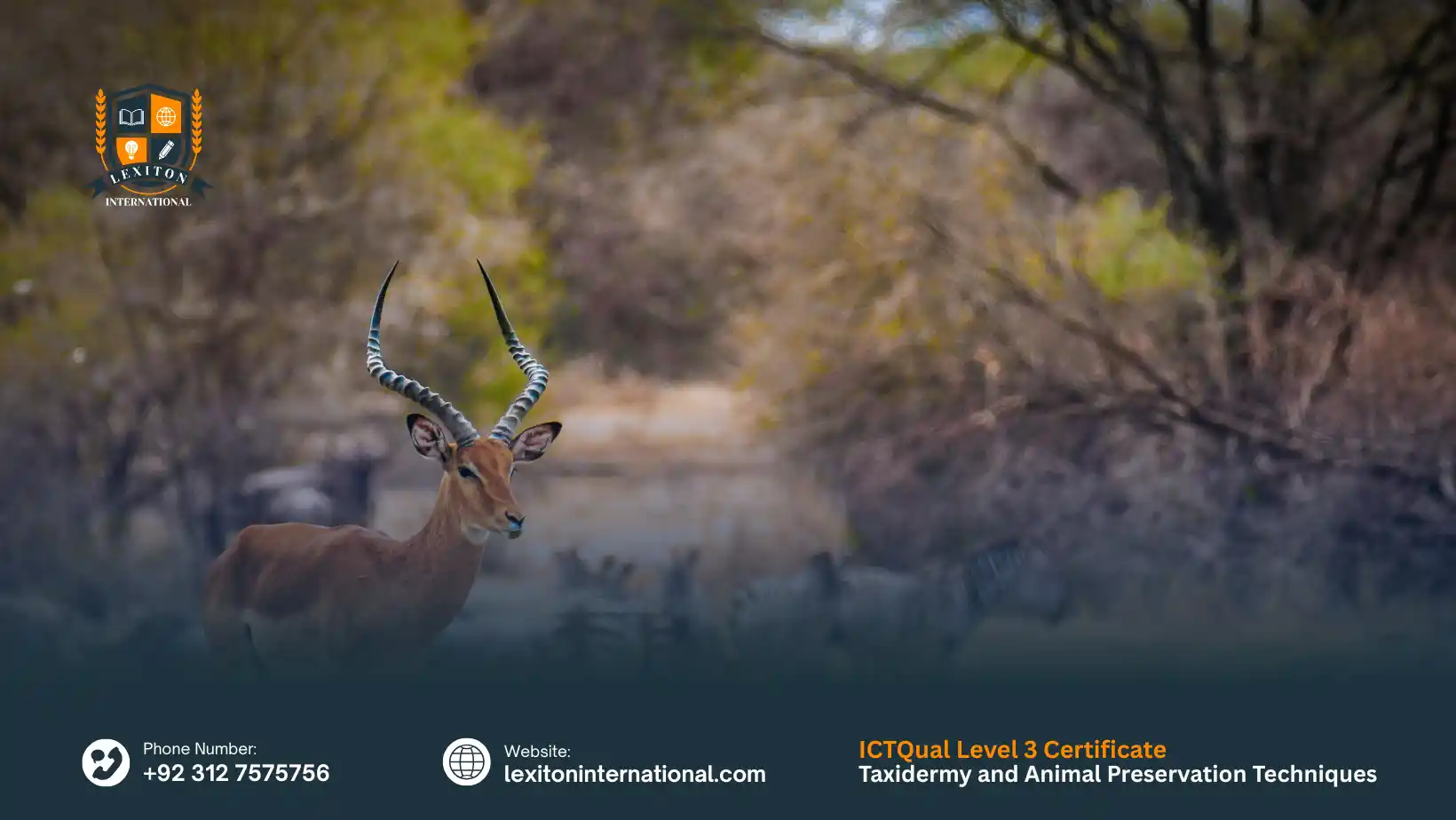
The ICTQual Level 3 Certificate in Taxidermy and Animal Preservation Techniques is a course that teaches you what taxidermy is and how to preserve animals safely and correctly. You will learn the full process of animal preservation, including preparing, skinning, cleaning, tanning, stuffing, and mounting animals. The course also explains the tools, materials, and chemicals you need to use, as well as legal and ethical rules to follow. This makes it perfect for beginners, students, hobbyists, or anyone who wants to gain professional skills in taxidermy and animal preservation.
During the course, you will get hands-on experience with small and medium-sized animals. You will practice how to collect specimens safely, keep everything clean, finish and mount animals, and prepare them for display. You will also learn how to care for preserved animals so they last longer, whether for museums, schools, or personal projects. The mix of theory and practice helps you gain confidence and real skills so you can work carefully and professionally while following ethical practices.
After completing the ICTQual Level 3 Certificate in Taxidermy and Animal Preservation Techniques, you will have the skills to work in taxidermy studios, museums, educational centers, or wildlife displays. The course also prepares you for higher-level studies in taxidermy, wildlife conservation, or animal arts, giving you opportunities for career growth, professional work, or personal projects. Graduates will be ready to use their skills in both professional and hobbyist settings while following correct techniques and safety standards.
- Age Requirements: Learners must be at least 16 years or older at the time of enrollment.
- Professional Experience: No previous work experience is necessary, but those with interest in wildlife, biology, or art may find it easier to follow practical exercises.
- Educational Background: A basic school education or equivalent is recommended. No prior experience in taxidermy is required.
- English Language Proficiency: Learners must have a good command of English to engage with course materials, assessments, and technical documentation effectively.
Mandatory Units
Skills You Will Gain
Advanced Preparation and Preservation Methods
- Demonstrate effective specimen preparation, including cleaning, skinning, and anatomical preservation techniques.
- Apply advanced preservation methods to maintain structural integrity and prevent deterioration.
- Utilize chemical treatments safely for long-term preservation of animal specimens.
- Evaluate preservation outcomes to ensure specimens meet professional and educational standards.
Use of Modern Tools and Equipment in Taxidermy
- Operate specialized taxidermy tools such as scalpels, mounting frames, and preservation kits.
- Apply modern equipment for precision in specimen preparation and display.
- Maintain and calibrate tools to ensure accuracy and safety in practice.
- Integrate technology such as airbrushes and digital references for enhanced realism.
Artistic Detailing and Realism in Animal Mounts
- Develop artistic skills to replicate lifelike features including posture, expression, and texture.
- Apply painting and finishing techniques to achieve natural coloration and detailing.
- Incorporate anatomical accuracy for realistic representation of preserved specimens.
- Critically assess artistic outcomes to refine mounts for museum or educational display.
Conservation Awareness and Ethical Responsibilities
- Understand ethical principles in specimen sourcing and preservation.
- Promote conservation awareness by respecting biodiversity and endangered species.
- Apply sustainable practices in taxidermy to minimize environmental impact.
- Adhere to legal frameworks governing wildlife preservation and specimen use.
Introduction to Project Work in Taxidermy
- Plan and design taxidermy projects with clear objectives and timelines.
- Apply practical skills in specimen preparation, mounting, and presentation.
- Document project processes to demonstrate learning and professional practice.
- Present completed projects for evaluation, showcasing technical and artistic competence.
This course is perfect for anyone who wants to learn how to preserve and mount animals safely and professionally. It is suitable for beginners, hobbyists, students, and anyone interested in taxidermy or wildlife displays.
Who Is this for
- People who want to learn taxidermy as a hobby or personal project.
- Students or nature lovers interested in animal preservation skills.
- Volunteers or workers in museums, wildlife centers, or school displays.
- Professionals planning to work in taxidermy studios or wildlife exhibits.
- Beginners who want hands-on experience safely and ethically.
- Anyone who wants to move on to higher-level courses or careers in taxidermy or wildlife conservation.
This course is suitable for all learners, whether you are just starting or already have some interest in animals and preservation. By completing it, you will gain practical skills, confidence, and knowledge to work professionally, create educational displays, or continue your studies in taxidermy and animal preservation.
After completing the ICTQual Level 3 Certificate in Taxidermy and Animal Preservation Techniques, learners gain practical skills and knowledge that can help them move forward in their careers or studies. This course provides a strong foundation for further learning and professional opportunities in taxidermy, wildlife, and conservation.
Future Progression
- Progress to higher-level courses in advanced taxidermy, wildlife conservation, or animal arts.
- Work in taxidermy studios, museums, educational centers, or wildlife displays.
- Join conservation projects, wildlife research, or community environmental programs.
- Use your skills for eco-tourism, wildlife education, or nature center roles.
- Gain hands-on experience to support further studies or professional qualifications.
- Build a career in museum curation, animal preservation, or wildlife management.
Completing this course opens doors to both career and academic growth. Learners will be able to apply their skills professionally, contribute to conservation or educational projects, and continue their studies in related fields, ensuring long-term development and opportunities in taxidermy, wildlife, and animal preservation.
Curious About This Course?