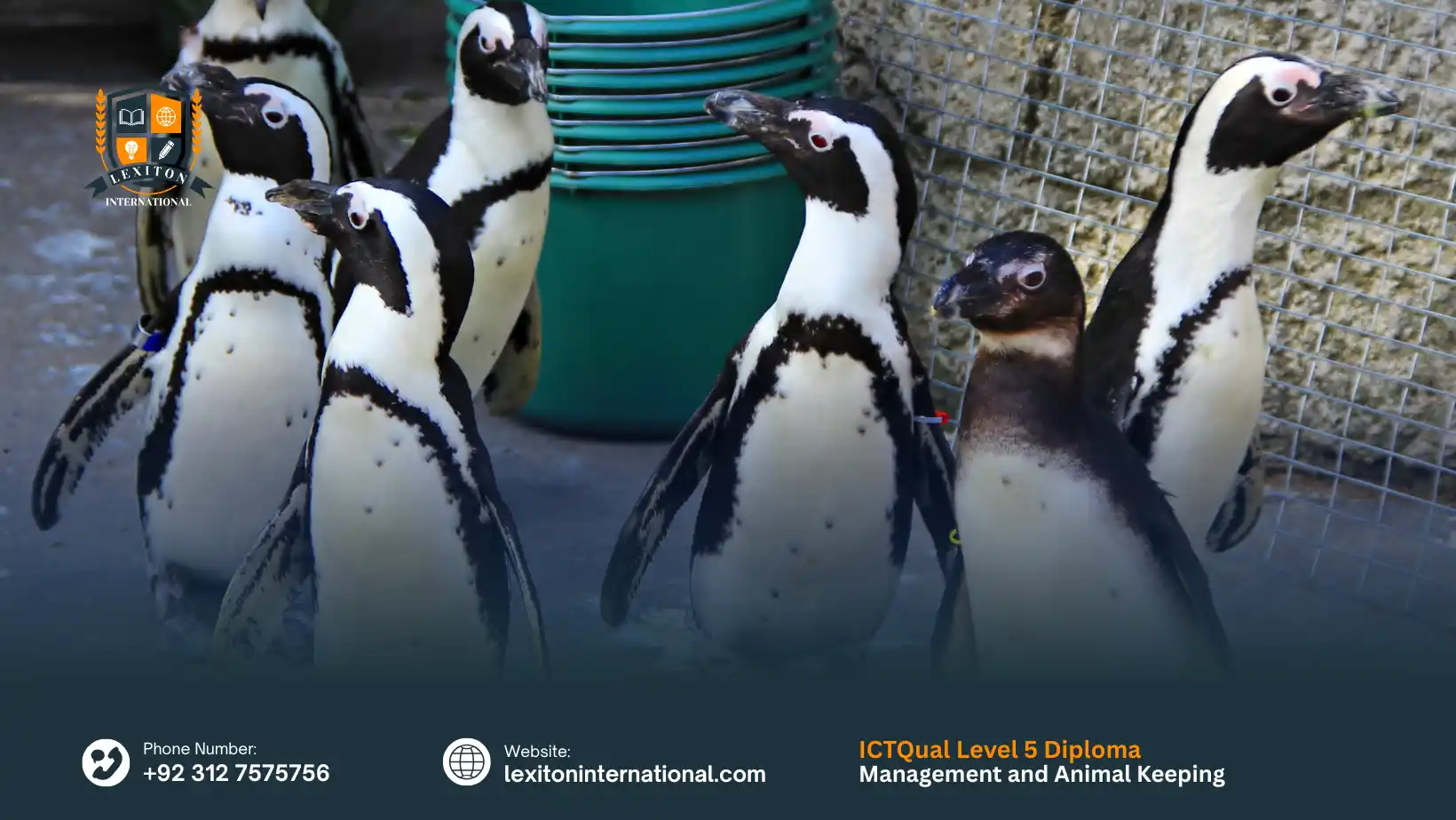
ICTQual Diploma in Zoo Management
Modern zoological facilities are no longer merely exhibition spaces; they are vital conservation hubs dedicated to scientific research, species preservation, and public education. The ICTQual Level 5 Diploma in Zoo Management and Animal Keeping represents the professional standard for those seeking to lead in this dynamic sector. This comprehensive qualification bridges the gap between hands-on animal husbandry and strategic operational management, equipping learners with the authority to ensure the highest standards of captive animal welfare while driving conservation goals forward. It is designed to foster a deep understanding of ethical responsibilities, ensuring that leadership in this field is rooted in sustainability and compassionate care for all species housed within these crucial institutions.
The ICTQual Level 5 Diploma in Zoo Management and Animal Keeping hooks the reader by highlighting the vital role of skilled specialists in managing complex ecosystems within artificial environments. Through rigorous training in advanced nutrition, enclosure design, and behavioral management, this course empowers participants to address the core challenges of maintaining biodiversity and preventing species extinction. Whether you are aiming to manage a specialized animal section or looking to advance your career to a supervisory level, this diploma provides the technical expertise needed to thrive.
Furthermore, this ICTQual Level 5 Diploma in Zoo Management and Animal Keeping program emphasizes the ethical responsibilities of modern conservation. It ensures graduates can deliver superior zoo management results while navigating complex regulatory landscapes. Ultimately, this course ensures every animal keeper contributes to long-term scientific knowledge and professional excellence within the animal keeping industry.
- Age Requirements: Learners must be at least 18 years or older at the time of enrollment.
- Professional Experience: Candidates must have a minimum of 1 year of practical experience in animal care, volunteering in a zoo setting, or related fieldwork.
- Educational Background: A foundational understanding of animal science or biology is required, typically demonstrated through relevant Level 3 or 4 certifications, vocational training, or a high school diploma with strong science grades.
- English Language Proficiency: Learners must have a good command of English to engage with course materials, assessments, and technical documentation effectively.
Mandatory Units
Skills You Will Gain
Strategic Zoo Management and Leadership
- Demonstrate advanced skills in planning, directing, and evaluating zoo operations.
- Apply leadership strategies to manage staff teams and organizational resources effectively.
- Identify methods for strategic decision‑making in animal care and conservation projects.
- Recognize the importance of ethical leadership in promoting welfare and sustainability.
- Evaluate management practices to ensure continuous improvement in zoo operations.
Advanced Captive Breeding and Population Management
- Demonstrate expertise in managing breeding programs to maintain genetic diversity.
- Apply advanced principles of population management for endangered and rare species.
- Identify ethical considerations in breeding, population control, and reintroduction programs.
- Recognize the importance of long‑term planning in species survival strategies.
- Evaluate breeding outcomes to enhance conservation effectiveness.
Veterinary and Reproductive Support in Zoos
- Demonstrate knowledge of reproductive health and veterinary support systems in zoos.
- Apply preventive health care and reproductive monitoring techniques for diverse species.
- Identify signs of reproductive challenges and assist veterinary teams in interventions.
- Recognize the importance of reproductive support in breeding and welfare programs.
- Evaluate veterinary practices to ensure compliance with welfare and ethical standards.
Crisis Management in Animal Care Facilities
- Demonstrate skills in identifying and responding to emergencies in zoo environments.
- Apply crisis management protocols to protect animals, staff, and visitors.
- Identify risks such as disease outbreaks, enclosure breaches, or environmental hazards.
- Recognize the importance of contingency planning and staff training in crisis response.
- Evaluate crisis management strategies for effectiveness and safety compliance.
International Standards in Zoo Operations
- Demonstrate knowledge of global standards and accreditation frameworks in zoo management.
- Apply international best practices to ensure welfare, safety, and conservation compliance.
- Identify differences in operational standards across regions and adapt accordingly.
- Recognize the importance of aligning zoo practices with international conservation goals.
- Evaluate zoo operations against international benchmarks for continuous improvement.
Research Methods in Zoo and Wildlife Management
- Demonstrate advanced skills in designing and conducting research projects in zoo settings.
- Apply scientific methods to study animal behaviour, welfare, and conservation outcomes.
- Identify ethical considerations in zoo and wildlife research practices.
- Recognize the importance of data collection, analysis, and reporting in management decisions.
- Evaluate research findings to inform policy, education, and conservation strategies.
This diploma is meticulously designed for motivated practitioners eager to transition from entry-level positions to supervisory roles and for established professionals seeking to formalize their expertise in advanced zoo management. The ICTQual Level 5 Diploma in Zoo Management and Animal Keeping solves the problem of needing structured, scientific training to move beyond daily husbandry duties, targeting those dedicated to raising industry standards.
Who Is this for
- Experienced Animal Keepers seeking to advance into supervisory or head keeper positions.
- Conservation Enthusiasts aiming to build a structured career in ecosystem protection within a captive environment.
- Students of Wildlife Science seeking a practical qualification to complement their academic knowledge.
- Eco-Tourism Professionals wanting to learn sustainable practices that protect natural assets while educating the public.
- Museum Professionals responsible for managing live animal exhibits and collections.
- Government Environmental Officers needing knowledge in managing public parks and wildlife education spaces.
- Career Changers moving into the specialized green economy from related scientific sectors.
The ICTQual Level 5 Diploma in Zoo Management and Animal Keeping serves as a specialized stepping stone toward leadership roles in environmental management and conservation artistry. It prepares learners for seamless transitions into higher-level responsibilities.
Future Progression
- Progress to specialized consultancy roles focusing on wildlife habitat rehabilitation.
- Advance to senior management positions within national park services or private conservation trusts.
- Transition into supervisory roles in museum curatorship and biological exhibition design.
- Gain eligibility for specialized technical training in ecological survey techniques.
- Build foundational knowledge required for roles in policy analysis and stakeholder engagement.
- Develop professional competence needed to assist in implementing large-scale ecological restoration projects. NGOs in drafting proposals for “Important Bird Areas” (IBAs) and protected zones.
Curious About This Course?