ISO 14001:2026 EMS Certification Training
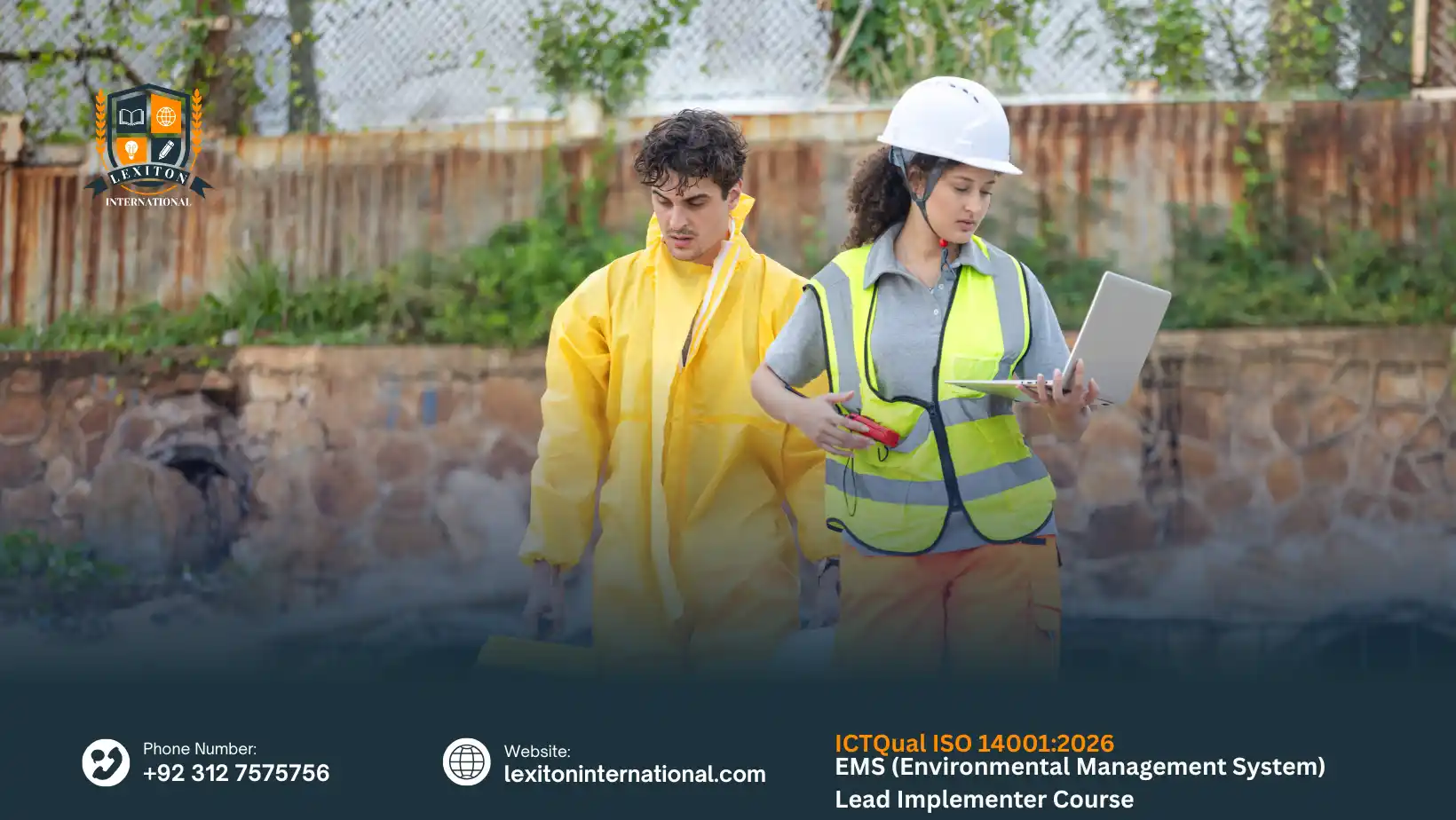
Environmental sustainability is now a core business priority rather than a regulatory obligation alone. Organizations across industries are expected to demonstrate measurable environmental performance, risk control, and compliance with international standards. The ICTQual ISO 14001:2026 EMS (Environmental Management System) Lead Implementer Course prepares professionals to design, implement, and manage effective environmental systems aligned with the latest ISO 14001:2026 requirements.
A structured Environmental Management System enables organizations to reduce environmental impact, improve operational efficiency, and build stakeholder trust. Successful implementation requires leadership, technical knowledge, and a clear understanding of environmental risk management and compliance frameworks. Skilled lead implementers guide policy development, system documentation, performance monitoring, and continual improvement initiatives.
The ICTQual ISO 14001:2026 EMS (Environmental Management System) Lead Implementer Course develops practical implementation expertise and strategic insight to ensure organizations meet certification standards while supporting sustainable growth. Professionals who master EMS implementation play a key role in strengthening environmental governance and driving long-term organizational success.
- Age Requirements: Learners must be at least 18 years or older at the time of enrollment.
- Professional Experience: Basic understanding of ISO 14001 or Environmental Management Systems is recommended; prior implementation experience is advantageous.
- Educational Background: Secondary education or equivalent; environmental science, engineering, or management background is beneficial.
- English Language Proficiency: Learners must have a good command of English to engage with course materials, assessments, and technical documentation effectively.
Mandatory Units
Skills You Will Gain
EMS Transformation Strategy & Governance
- Develop strategic plans to implement and transform Environmental Management Systems aligned with organizational sustainability goals.
- Establish governance structures, roles, and responsibilities to ensure effective EMS oversight and accountability.
- Integrate environmental policies and objectives into business strategy using digital management systems.
- Use data dashboards and reporting tools to monitor governance effectiveness and environmental performance.
Environmental Context, Climate Risk & Strategic Planning
- Analyze internal and external environmental factors, including climate-related risks and regulatory pressures.
- Identify stakeholder expectations and sustainability obligations influencing environmental strategy.
- Apply risk-based thinking to address climate risks and environmental challenges.
- Use digital intelligence tools and data analytics to support strategic environmental planning.
Lifecycle Sustainability & Circular Economy Practices
- Apply lifecycle thinking to evaluate environmental impacts from raw materials to end-of-life disposal.
- Understand circular economy principles to reduce waste and improve resource efficiency.
- Identify opportunities for sustainable product design, reuse, and recycling initiatives.
- Use digital tracking tools to monitor resource usage and sustainability performance.
Operational Control & Sustainable Supply Chain Management
- Establish operational controls to manage environmental impacts and ensure regulatory compliance.
- Evaluate supplier sustainability practices and implement environmental performance criteria.
- Monitor supply chain environmental performance using digital tracking and reporting systems.
- Apply risk-based controls to strengthen sustainability and environmental responsibility across operations.
AI-Driven Environmental Intelligence & Smart Monitoring
- Apply AI and data analytics to monitor environmental indicators and detect performance trends.
- Utilize smart sensors, remote monitoring, and digital dashboards for real-time environmental tracking.
- Implement predictive analytics to identify environmental risks and improvement opportunities.
- Address data integrity, cybersecurity, and reliability considerations in smart monitoring systems.
Performance Evaluation, Innovation & Continual Improvement
- Evaluate EMS performance using key metrics, audits, and digital analytics tools.
- Conduct management reviews supported by real-time dashboards and performance reports.
- Implement corrective actions and innovative solutions to enhance environmental performance.
- Promote continual improvement through data-driven decision-making and sustainability innovation.
ICTQual ISO 14001:2026 EMS (Environmental Management System) Lead Implementer is designed for professionals responsible for implementing and managing Environmental Management Systems within their organizations. It supports individuals aiming to lead compliance initiatives and strengthen environmental performance frameworks.
Who Is this for
- Environmental managers overseeing EMS implementation
- Sustainability professionals leading environmental initiatives
- HSE managers managing regulatory compliance
- Compliance officers coordinating ISO 14001 projects
- Operations managers improving environmental performance
- Consultants supporting EMS certification
- Risk management professionals assessing environmental impact
ICTQual ISO 14001:2026 EMS (Environmental Management System) Lead Implementer supports advancement into senior environmental and sustainability leadership roles. It enhances capability to manage complex Environmental Management Systems and oversee compliance strategies at organizational level.
Future Progression
- Senior Environmental Compliance Manager
- Head of Sustainability or ESG leadership roles
- Integrated Management System (IMS) specialist
- ISO 14001 implementation consultant
- Corporate environmental governance advisor
- Risk and compliance management roles
- Environmental performance and audit coordination
- Strategic environmental policy leadership
Curious About This Course?