UK Level 3 Aviation Safety by LICQual
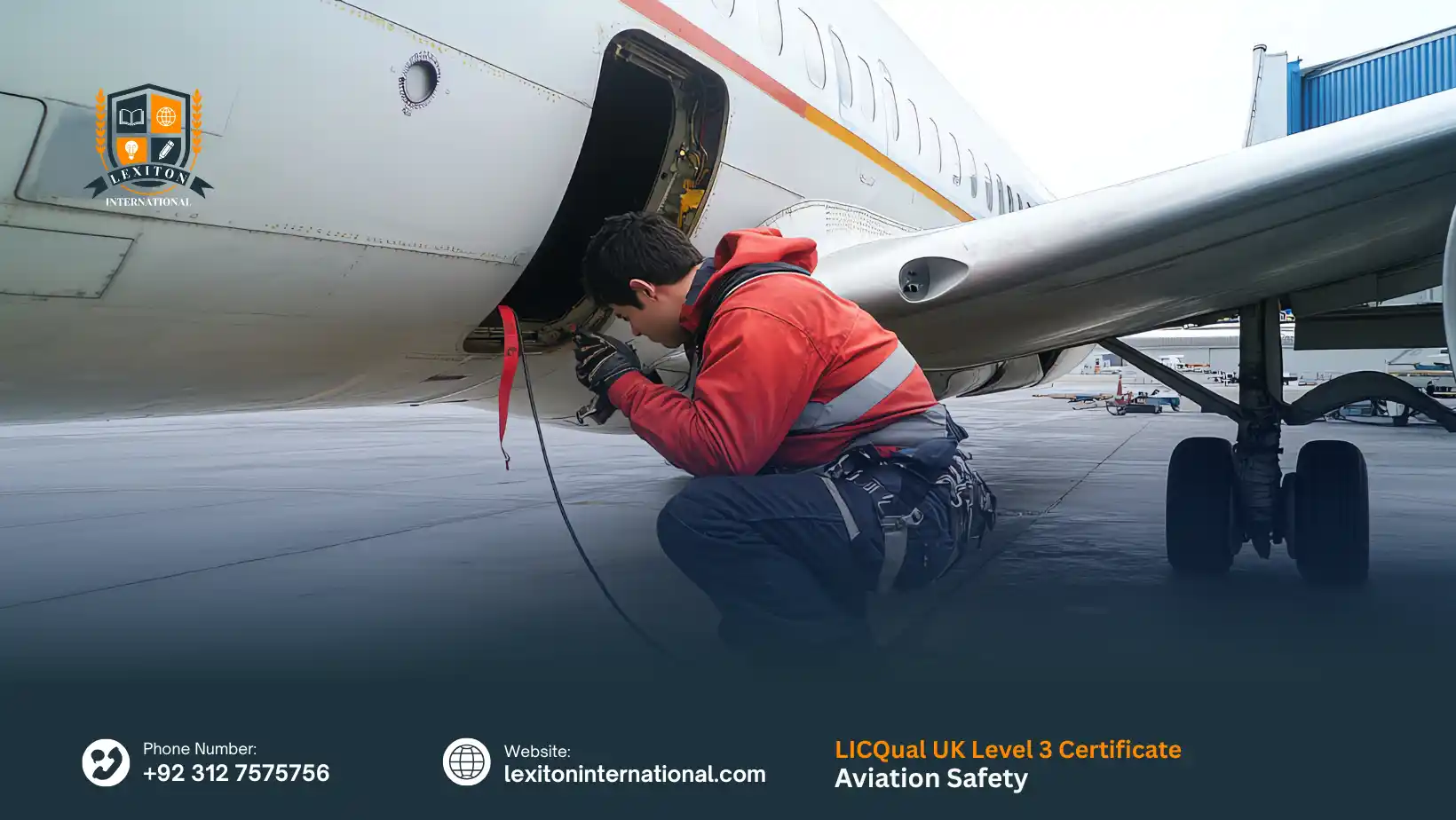
Aviation safety is the cornerstone of global air travel, ensuring that millions of passengers and goods move securely across the world every day. With increasing air traffic, advanced technologies, and complex international regulations, maintaining safety standards has become more critical than ever. Every aspect of aviation from aircraft operations to passenger handling depends on professionals who understand and apply strict safety protocols.
The LICQual UK Level 3 Certificate highlights the importance of preparing individuals to meet industry challenges with confidence. Safety in air transport is not simply about compliance; it involves proactive risk management, awareness of international standards, and fostering a culture of responsibility. As global air travel continues to expand, the demand for skilled professionals who can uphold safety standards and contribute to secure operations has never been greater.
By pursuing the LICQual UK Level 3 Certificate, learners position themselves as capable contributors to one of the most vital areas of aviation. This qualification emphasizes the essential role of safety specialists in maintaining secure, efficient, and globally trusted airline and airport systems.
- Age Requirements: Applicants must be 18 years or above at the time of enrollment.
- Professional Experience: No prior experience required, though exposure to aviation environments is beneficial
- Educational Background: Basic education in aviation, transport, or safety studies recommended.
- English Language Proficiency: Learners must have good written and spoken English skills to engage effectively with course materials, reporting tasks, and communication in industrial settings.
Mandatory Units
1. Fundamentals of Aviation Safety and Security
By the end of this unit, learners will be able to:
- Explain the core principles of aviation safety and security in line with ICAO Annex 17.
- Identify the key organizations responsible for global aviation safety oversight.
- Differentiate between accidents, incidents, hazards, and risks in aviation contexts.
- Apply basic safety concepts to real‑world airline and airport operations.
- Recognize the importance of proactive safety culture in preventing aviation incidents.
- Demonstrate awareness of international safety frameworks and their application.
2. Introduction to Airline Operations and Safety Procedures
By the end of this unit, learners will be able to:
- Describe the structure and functions of airline operations departments.
- Explain the role of Safety Management Systems (SMS) in daily airline operations.
- Apply standard operating procedures (SOPs) to ensure safe and efficient flight operations.
- Evaluate the importance of ground handling, cabin safety, and flight crew coordination.
- Identify operational risks and propose basic mitigation strategies.
- Demonstrate understanding of how safety procedures support regulatory compliance.
3. Aviation Risk Awareness and Hazard Identification
By the end of this unit, learners will be able to:
- Define hazards and risks within the aviation safety management framework.
- Apply hazard identification techniques used in ICAO Safety Management Systems.
- Conduct basic risk assessments using qualitative and quantitative methods.
- Recognize common operational hazards in airline and airport environments.
- Recommend preventive measures to reduce safety risks in aviation operations.
- Demonstrate awareness of continuous monitoring and reporting systems for hazards.
4. International Aviation Regulations and Compliance Basics
By the end of this unit, learners will be able to:
- Explain the role of ICAO, EASA, FAA, and IATA in global aviation regulation.
- Identify key international treaties, conventions, and agreements governing aviation safety.
- Apply compliance principles to airline and airport operations.
- Recognize the importance of regulatory audits and inspections in aviation safety.
- Evaluate the impact of international law on airline safety procedures.
- Demonstrate knowledge of how compliance supports global aviation safety standards.
5. Human Factors and Safety Culture in Aviation
By the end of this unit, learners will be able to:
- Explain the role of human factors in aviation safety and accident prevention.
- Identify common human performance limitations affecting aviation operations.
- Apply Crew Resource Management (CRM) principles to enhance safety.
- Evaluate the importance of communication, teamwork, and decision‑making in safety culture.
- Recognize the impact of stress, fatigue, and workload on aviation safety.
- Promote a positive safety culture within airline and airport organizations.
6. Emergency Response and Crisis Management in Aviation
By the end of this unit, learners will be able to:
- Explain the principles of emergency response planning in aviation.
- Identify the roles and responsibilities of emergency response teams.
- Apply crisis management strategies to aviation incidents and disasters.
- Evaluate the effectiveness of emergency drills, simulations, and contingency planning.
- Demonstrate knowledge of passenger care, communication, and recovery procedures.
- Develop awareness of ICAO and IATA standards for crisis and emergency management.
The aviation industry requires professionals who can combine technical knowledge with strong safety awareness. The LICQual UK Level 3 Certificate in Aviation Safety is tailored for learners who want to strengthen their skills and solve real‑world challenges in aviation safety.
Who Is This Course For?
- Airport staff seeking structured safety training
- Aviation professionals aiming to enhance compliance skills
- Ground handling teams improving operational safety standards
- Security staff working in aviation environments
- Travel industry employees expanding into aviation safety roles
- Logistics and transport specialists entering aviation safety
- Career changers pursuing opportunities in aviation safety management
- International learners seeking recognized aviation safety qualifications
The LICQual UK Level 3 Certificate in Aviation Safety provides learners with the foundation to advance their careers in aviation safety and operations. This qualification strengthens professional credibility and opens doors to wider opportunities across the global aviation sector.
Future Progression
- Progression into specialist aviation safety and compliance qualifications
- Opportunities to work in international airports and aviation organizations
- Enhanced prospects in aviation operations, ground handling, and security roles
- Ability to contribute to risk management and emergency response initiatives
- Recognition as a qualified aviation safety professional
- Potential to move into mentoring, supervisory, or training positions
- Strengthened credibility for global aviation safety opportunities
- Expanded career pathways in aviation operations, logistics, and support services
Curious About This Course?