ICTQual Level 5 Advanced Surgical Nursing
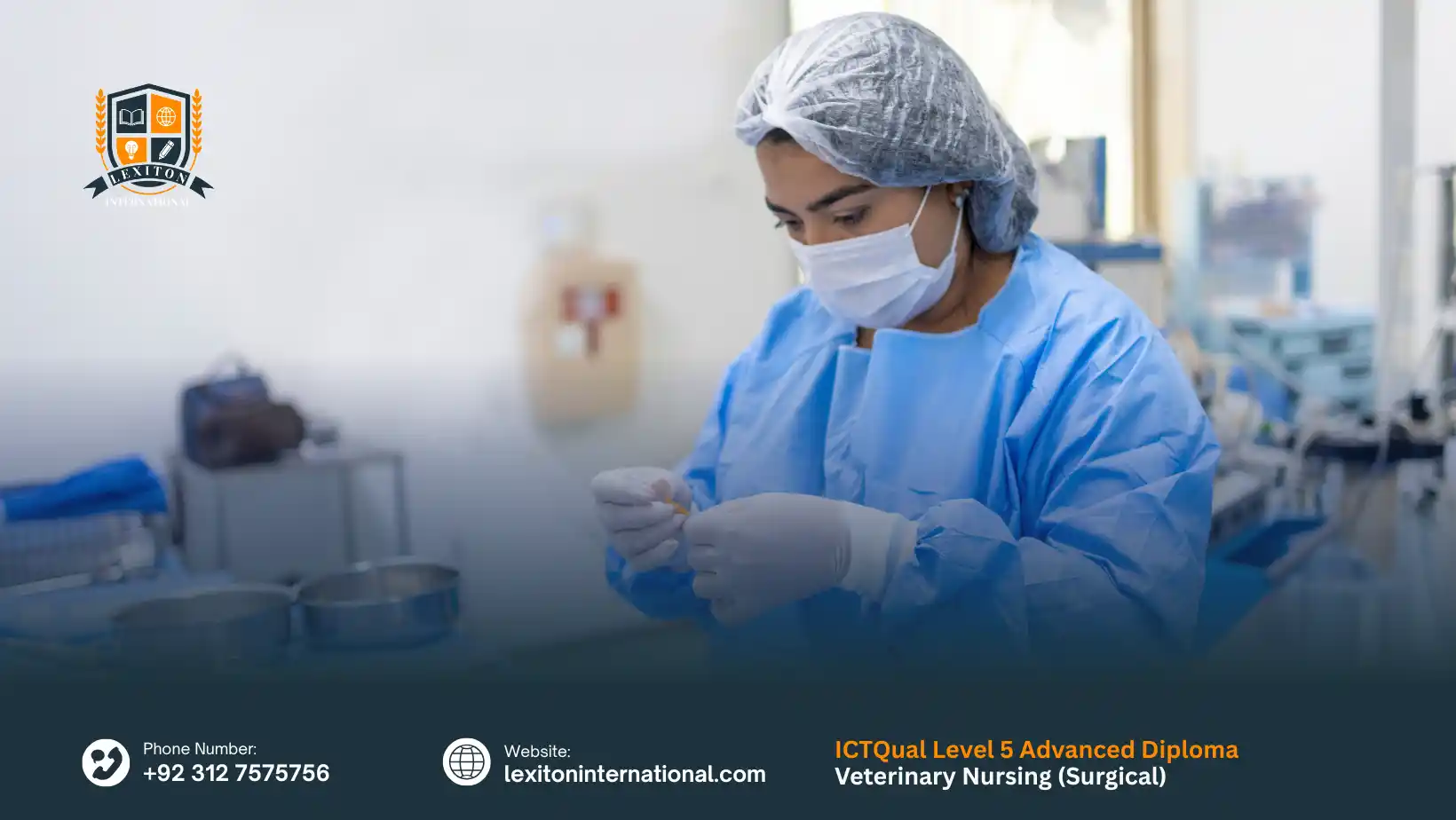
Surgical veterinary nursing is one of the most demanding and rewarding areas of animal healthcare. Every surgical procedure, whether routine or complex, requires skilled professionals who can ensure patient safety, support veterinary surgeons, and provide compassionate care during recovery. The role of the surgical veterinary nurse is vital in maintaining high standards of practice, reducing risks, and improving outcomes for animals.
The ICTQual Level 5 Advanced Diploma in Veterinary Nursing (Surgical) emphasizes the importance of advanced surgical nursing skills in modern veterinary practice. As veterinary medicine evolves, the need for highly trained nurses who can combine technical expertise with empathy continues to grow. Surgical veterinary nurses are central to patient preparation, anesthesia monitoring, and post‑operative care, making their role indispensable in clinical teams.
This qualification highlights the value of structured training, preparing learners to meet the challenges of surgical veterinary nursing with confidence and professionalism. By pursuing the ICTQual Level 5 Advanced Diploma in Veterinary Nursing (Surgical), learners position themselves as trusted professionals dedicated to advancing animal welfare and supporting surgical excellence in veterinary practice.
- Age Requirements: Learners must be at least 19 years or older at the time of enrollment.
- Professional Experience: Prior exposure to veterinary or animal healthcare environments is beneficial.
- Educational Background: A qualification in animal care, biology, or veterinary nursing is recommended.
- English Language Proficiency: Learners must have a good command of English to engage with course materials, assessments, and technical documentation effectively.
Mandatory Units
Learning Outcomes for the ICTQual Level 5 Advanced Diploma in Veterinary Nursing (Surgical):
Advanced Principles of Veterinary Surgical Nursing
- Demonstrate understanding of the principles underpinning surgical nursing practice.
- Apply aseptic techniques to maintain patient safety during surgical procedures.
- Recognise common surgical conditions and outline appropriate nursing interventions.
- Integrate infection control and theatre safety protocols into daily practice.
- Analyse the role of communication in supporting surgical teams.
- Evaluate ethical considerations when delivering surgical care to animals.
- Develop confidence in responding to complex surgical scenarios.
- Reflect on the importance of continuous professional development in surgical nursing.
Surgical Patient Preparation and Theatre Protocols
- Prepare patients effectively for surgery, including pre‑operative assessment and stabilisation.
- Implement theatre protocols to ensure a sterile and safe environment.
- Manage surgical instruments and equipment in line with best practice.
- Apply patient positioning techniques to support surgical access and safety.
- Demonstrate competence in monitoring patients during induction and preparation.
- Collaborate with veterinary surgeons to optimise surgical outcomes.
- Maintain accurate records of patient preparation and theatre procedures.
- Evaluate the effectiveness of theatre protocols in improving patient safety.
Anaesthesia and Analgesia in Surgical Nursing
- Explain the principles of anaesthesia and analgesia in veterinary practice.
- Assist in the safe administration of anaesthetic agents under supervision.
- Monitor anaesthetised patients and respond to changes in vital signs.
- Apply multimodal pain management strategies to support recovery.
- Recognise adverse reactions to anaesthetic and analgesic drugs.
- Ensure safe handling, storage, and documentation of medications.
- Evaluate patient responses to anaesthesia and analgesia interventions.
- Promote evidence‑based approaches to anaesthetic nursing care.
Postoperative Care and Recovery Management
- Implement postoperative monitoring protocols to ensure patient safety.
- Manage pain, nutrition, and hydration during recovery.
- Recognise and respond to common postoperative complications.
- Provide effective wound care and infection control measures.
- Support patient comfort and wellbeing during recovery.
- Communicate clearly with clients about postoperative care requirements.
- Maintain accurate records to support continuity of care.
- Reflect on case outcomes to improve future postoperative nursing practice.
Clinical Decision-Making and Evidence-Based Surgical Practice
- Apply structured decision‑making models in surgical nursing scenarios.
- Critically evaluate research evidence to inform surgical nursing practice.
- Integrate clinical guidelines into surgical interventions.
- Balance professional judgement with ethical considerations in decision‑making.
- Demonstrate problem‑solving skills in unpredictable surgical cases.
- Reflect on surgical case outcomes to improve future practice.
- Communicate decisions effectively to colleagues and clients.
- Contribute to a culture of continuous improvement in surgical nursing.
Professional Practice, Ethics, and Leadership in Surgical Nursing
- Understand professional responsibilities and codes of conduct in surgical nursing.
- Demonstrate leadership skills in managing surgical nursing teams.
- Apply ethical frameworks to guide surgical nursing practice.
- Promote effective communication with clients, colleagues, and stakeholders.
- Manage stress and resilience in high‑pressure surgical environments.
- Support the professional development of junior staff and peers.
- Uphold standards of patient advocacy and welfare in surgical care.
- Contribute to organisational policies that enhance veterinary surgical services.
The ICTQual Level 5 Advanced Diploma in Veterinary Nursing (Surgical) is designed for individuals who want to specialize in surgical nursing and take on advanced responsibilities in veterinary practice.
Who Is this for
- Veterinary nurses seeking advanced surgical training
- Animal healthcare professionals expanding their clinical expertise
- Veterinary assistants progressing into surgical nursing roles
- Clinic staff managing complex surgical procedures
- Animal welfare officers requiring advanced surgical knowledge
- Rehabilitation specialists enhancing their professional practice
- Career changers moving into advanced veterinary nursing
- International learners pursuing globally recognized surgical nursing qualifications
Completing the ICTQual Level 5 Advanced Diploma in Veterinary Nursing (Surgical) opens pathways to advanced opportunities in veterinary healthcare.
Future Progression
- Progression into senior surgical nursing and leadership roles
- Opportunities to work in animal hospitals, clinics, and welfare organizations
- Enhanced prospects in specialist surgical care and rehabilitation services
- Ability to support complex patient monitoring and surgical procedures
- Recognition as a qualified surgical veterinary nurse
- Potential to move into mentoring or supervisory positions
- Strengthened credibility for international veterinary healthcare opportunities
- Expanded career pathways in animal welfare and veterinary support sectors
Curious About This Course?