Professional Veterinary Nursing Training – Level 3
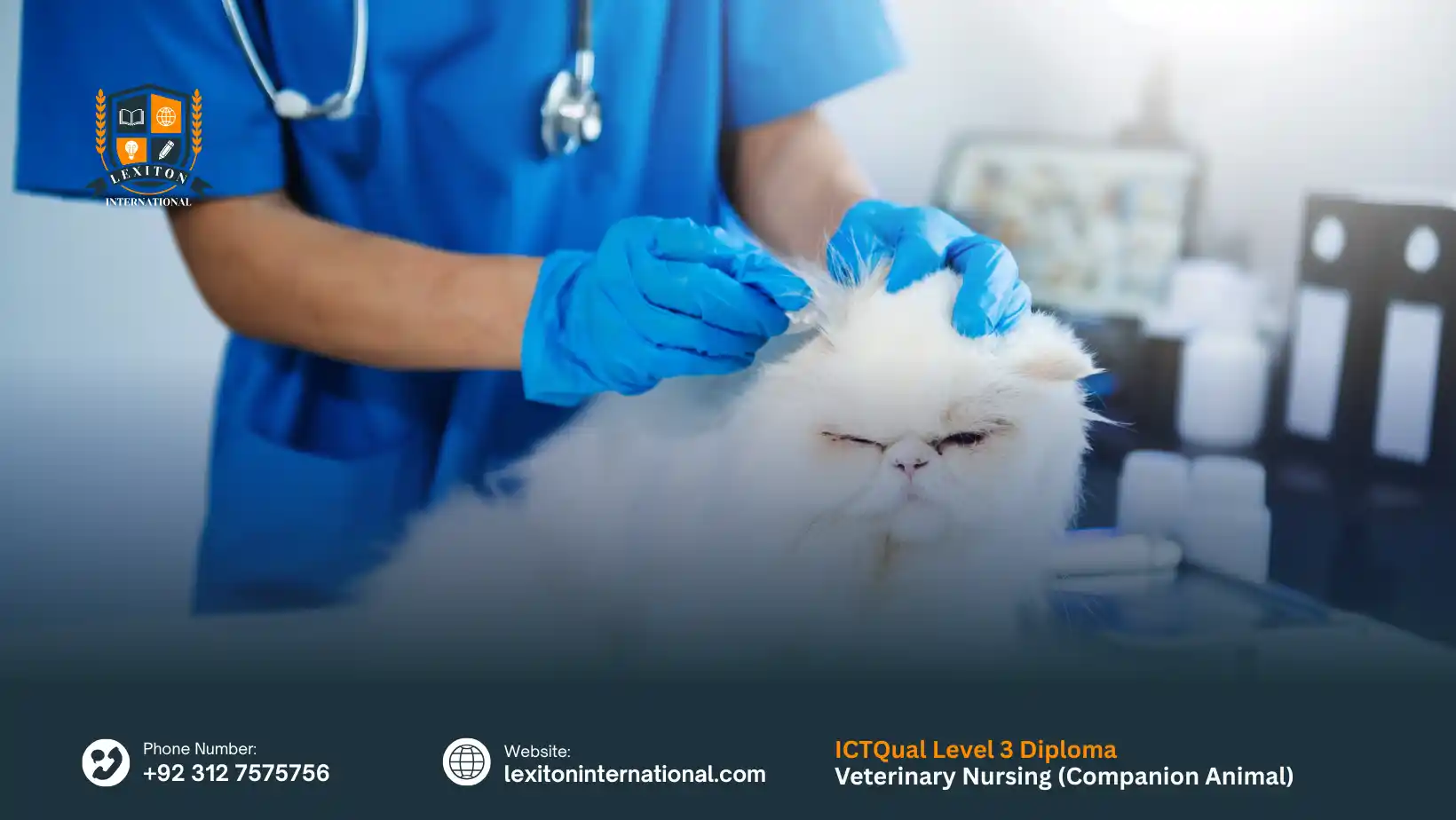
Veterinary nursing plays a vital role in ensuring the health, comfort, and recovery of companion animals. From assisting in surgeries to monitoring patient wellbeing, veterinary nurses are the backbone of modern animal care. Their expertise not only supports veterinary surgeons but also reassures pet owners that their animals are receiving the highest standard of treatment.
The ICTQual Level 3 Diploma in Veterinary Nursing (Companion Animal) emphasizes the importance of skilled nursing care in today’s veterinary practices. Companion animals, including dogs, cats, and small pets, require specialized attention during medical procedures, recovery, and routine care. Veterinary nurses are trained to provide this support with precision, compassion, and professionalism.
As the demand for qualified veterinary professionals continues to grow worldwide, the need for individuals who can combine technical knowledge with empathy has never been greater. This diploma highlights the essential role of veterinary nursing in safeguarding animal welfare, strengthening veterinary teams, and building trust with pet owners. By pursuing the ICTQual Level 3 Diploma in Veterinary Nursing (Companion Animal), learners step into a rewarding career path dedicated to improving the lives of animals and advancing standards in veterinary care.
- Age Requirements: Learners must be at least 18 years or older at the time of enrollment.
- Professional Experience: Prior exposure to veterinary clinics or animal care environments is beneficial but not mandatory.
- Educational Background: A qualification in animal care, biology, or related subjects is preferred.
- English Language Proficiency: Learners must have a good command of English to engage with course materials, assessments, and technical documentation effectively.
Mandatory Units
Learning Outcomes for the ICTQual Level 3 Diploma in Veterinary Nursing (Companion Animal) :
Companion Animal Anatomy and Basic Physiology
- Identify the major anatomical structures of dogs, cats, rabbits, and small mammals.
- Describe the basic physiological functions of body systems (respiratory, circulatory, digestive, nervous).
- Relate anatomy and physiology to common health conditions in companion animals.
- Apply anatomical knowledge to safe handling and basic nursing procedures.
- Recognise signs of normal versus abnormal function in companion animals.
- Use anatomical terminology accurately in clinical communication.
- Demonstrate awareness of how growth, age, and breed differences affect physiology.
Introduction to Veterinary Nursing and Patient Care
- Explain the role and responsibilities of a veterinary nurse in companion animal practice.
- Demonstrate safe and compassionate patient care, including feeding, grooming, and monitoring.
- Record patient information accurately in line with professional standards.
- Apply infection control and hygiene procedures in clinical environments.
- Assist in routine examinations and basic diagnostic procedures.
- Communicate effectively with veterinary surgeons, colleagues, and animal owners.
- Reflect on professional behaviours and ethical responsibilities in nursing practice.
Companion Animal Handling, Restraint, and Safety Procedures
- Demonstrate safe handling techniques for dogs, cats, rabbits, and small mammals.
- Apply appropriate restraint methods for examinations, treatments, and minor procedures.
- Recognise stress signals and behavioural cues in companion animals.
- Minimise risk to patients, staff, and owners during handling.
- Use equipment such as muzzles, cat bags, and restraint aids correctly.
- Apply health and safety protocols to prevent injury or accidents.
- Reflect on the importance of animal welfare during handling and restraint.
Basic Anaesthesia Assistance and Surgical Preparation
- Prepare patients for anaesthesia, including fasting, monitoring, and pre‑operative checks.
- Assist veterinary surgeons with anaesthetic induction and recovery procedures.
- Monitor vital signs during anaesthesia under supervision.
- Maintain aseptic techniques in surgical preparation and theatre environments.
- Prepare surgical instruments, equipment, and materials for routine procedures.
- Support post‑operative care, including pain management and wound monitoring.
- Record anaesthesia and surgical data accurately in patient records.
Veterinary Pharmacology Fundamentals and Medicine Records
- Identify common medicines used in companion animal practice.
- Explain basic principles of drug administration, dosage, and safety.
- Assist in the safe storage, handling, and disposal of veterinary medicines.
- Maintain accurate medicine records in compliance with regulations.
- Recognise potential side effects and report concerns to supervising staff.
- Communicate clearly with owners about medicine use and compliance.
- Apply professional responsibility in medicine management.
Preventive Healthcare, Nutrition, and Welfare in Companion Animals
- Support vaccination and parasite control programmes in companion animals.
- Explain the importance of nutrition and feeding plans for different species.
- Promote dental health, grooming, and routine care for long‑term wellbeing.
- Recognise welfare needs and apply the “Five Freedoms” in nursing practice.
- Educate owners on responsible pet care and preventive healthcare strategies.
- Monitor patient progress in preventive programmes and record outcomes.
- Reflect on the nurse’s role in promoting welfare and community awareness.
The ICTQual Level 3 Diploma in Veterinary Nursing (Companion Animal) is designed for individuals who want to build professional skills in veterinary nursing and contribute to animal welfare.
Who Is this for
- Aspiring veterinary nurses beginning their career journey
- Animal care workers seeking advanced certification
- Veterinary assistants aiming to expand responsibilities
- Shelter and rescue staff managing companion animals
- Pet owners interested in structured veterinary knowledge
- Animal welfare officers ensuring proper care standards
- Students in animal science specializing in companion animal nursing
- Entrepreneurs in pet care adding veterinary support services
Completing the ICTQual Level 3 Diploma in Veterinary Nursing (Companion Animal) equips learners with confidence and credibility to advance in the veterinary care industry.
Future Progression
- Progression into senior nursing roles in veterinary clinics and hospitals
- Opportunities to work with animal welfare organizations and pet care providers
- Enhanced prospects in specialist nursing for companion animals
- Ability to support compliance and patient monitoring processes
- Expanded opportunities for entrepreneurs to establish veterinary support services
- Recognition as a trusted professional in veterinary nursing and welfare
- Potential to transition into training or mentoring roles
- Strengthened credibility for global opportunities in animal care industries
Curious About This Course?