Monitoring Anaesthetised Pets – ICTQual Level 2
Anaesthesia and sedation are critical procedures in veterinary medicine, requiring precision, vigilance, and professional care. Companion animals undergoing surgery or treatment are vulnerable, and their safety depends on accurate monitoring throughout the process. Even minor oversights can lead to serious complications, making skilled assistance essential in every veterinary practice.
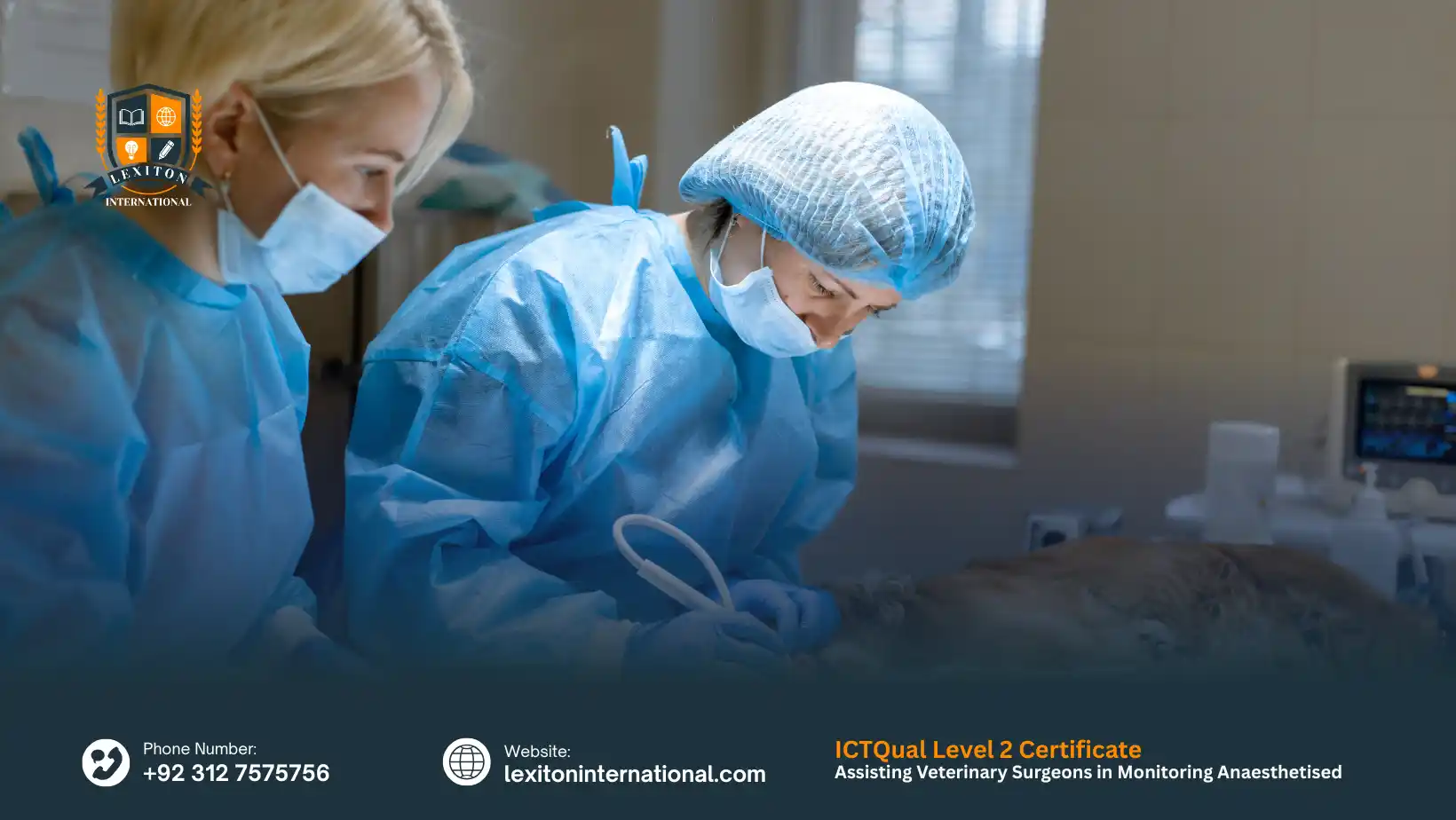
The ICTQual Level 2 Certificate in Assisting Veterinary Surgeons in Monitoring Anaesthetised and Sedated Companion Animals highlights the importance of supporting veterinary teams with competence and responsibility. This qualification emphasizes the vital role of assistants in observing vital signs, ensuring patient stability, and responding effectively to changes during procedures.
As demand for professional animal care grows, the need for trained individuals who can contribute to safe surgical environments has never been greater. By mastering the skills of monitoring Anaesthetised and sedated animals, learners not only protect the lives of pets but also build trust with veterinary surgeons and pet owners. The ICTQual Level 2 Certificate in Assisting Veterinary Surgeons in Monitoring Anaesthetised and Sedated Companion Animals is more than training it is a commitment to animal welfare and professional excellence.
- Age Requirements: Learners must be at least 16 years or older at the time of enrollment.
- Professional Experience: Prior exposure to working with animals or veterinary support is beneficial but not mandatory.
- Educational Background: A basic qualification in animal care or science is preferred.
- English Language Proficiency: Learners must have a good command of English to engage with course materials, assessments, and technical documentation effectively.
Mandatory Units
Learning Outcomes for the ICTQual Level 2 Certificate in Assisting Veterinary Surgeons in Monitoring Anaesthetised and Sedated Companion Animals:
Principles of Anaesthesia and Sedation in Companion Animals
- Understand the basic principles of anaesthesia and sedation for dogs, cats, and other companion animals.
- Learn the different types of anaesthetic and sedative agents used in veterinary practice.
- Recognize the physiological effects of anaesthesia and sedation on various animal species.
- Understand pre-operative preparation, including animal assessment and risk factors.
- Learn the importance of accurate dosage calculation and administration under supervision.
- Recognize signs of adverse reactions or complications during anaesthesia or sedation.
- Gain knowledge of recovery processes and post-procedure monitoring requirements.
- Develop confidence in assisting veterinary professionals during anaesthetic and sedative procedures.
Monitoring Techniques and Animal Safety During Procedures
- Learn to monitor vital signs including heart rate, respiration, and body temperature during procedures.
- Understand the use of monitoring equipment and interpretation of readings.
- Recognize early warning signs of distress or complications in anaesthetised animals.
- Apply safe handling and restraint techniques during monitoring.
- Develop the ability to assist with emergency procedures under supervision.
- Understand the importance of maintaining a sterile and safe environment during procedures.
- Learn to document observations accurately and report changes promptly to veterinary staff.
- Gain practical skills to support animal safety and welfare during surgical and diagnostic procedures.
Professional Practice, Ethics, and Communication in Veterinary Support
- Develop effective communication skills with veterinary surgeons, nurses, and clients.
- Understand ethical principles and responsibilities when working with anaesthetised or sedated animals.
- Learn to maintain confidentiality and comply with data protection regulations.
- Develop professionalism, reliability, and attention to detail in a veterinary environment.
- Understand legal and regulatory requirements related to veterinary support and animal care.
- Learn to work collaboratively within a veterinary team to ensure smooth operation and patient safety.
- Recognize the importance of continuous professional development and reflective practice.
- Gain confidence in applying professional standards and ethical considerations to everyday veterinary support tasks.
The ICTQual Level 2 Certificate in Assisting Veterinary Surgeons in Monitoring Anaesthetised and Sedated Companion Animals is designed for individuals who want to gain practical skills and meet professional standards in veterinary support.
Who Is this for
- Aspiring veterinary assistants starting their careers
- Animal care workers seeking formal certification
- Pet owners interested in learning advanced care skills
- Kennel and shelter staff managing animals during treatments
- Animal welfare officers ensuring safe practices
- Veterinary clinic staff expanding their responsibilities
- Students in animal care looking to specialize in surgical support
- Volunteers in rescue centers aiming to improve animal safety
Completing the ICTQual Level 2 Certificate in Assisting Veterinary Surgeons in Monitoring Anaesthetised and Sedated Companion Animals equips learners with confidence and credibility to advance in the veterinary care industry.
Future Progression
- Progression into support roles in veterinary clinics and hospitals
- Opportunities to work with animal welfare organizations
- Enhanced prospects in pet care and surgical assistance
- Ability to support monitoring and compliance processes in veterinary practices
- Expanded opportunities for animal care professionals to diversify skills
- Recognition as a trusted assistant in veterinary surgery
- Potential to transition into training or mentoring roles
- Strengthened credibility for global opportunities in animal care industries
Curious About This Course?