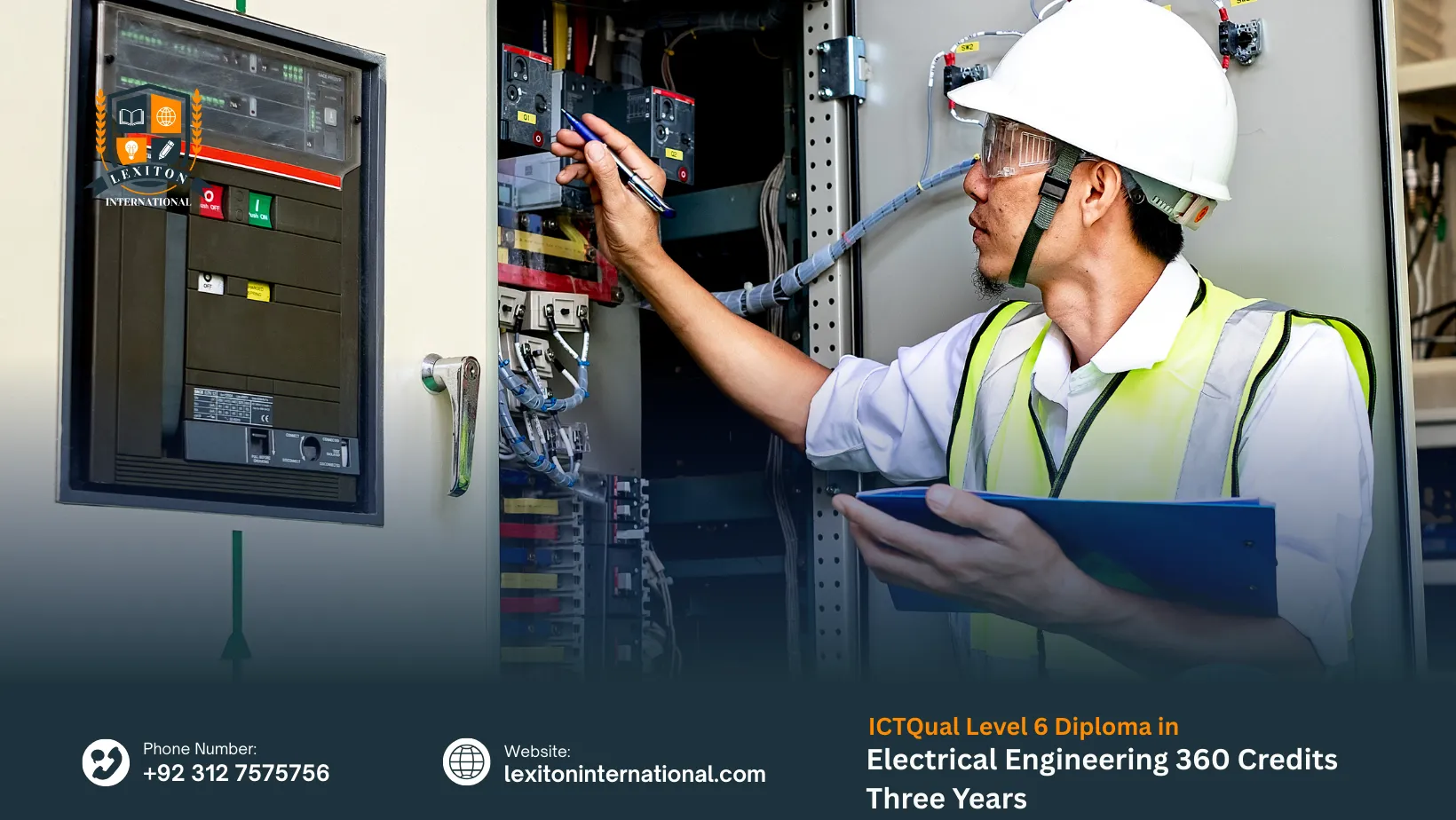
The ICTQual Level 6 Diploma in Electrical Engineering (360 Credits – Three Years) is a comprehensive qualification designed to equip learners with advanced knowledge, technical expertise, and practical skills in the field of electrical engineering. This program is structured to meet the demands of modern industries, combining theoretical foundations with applied learning to ensure participants are prepared to tackle complex engineering challenges. Learners will engage with a wide range of topics including electrical systems design, power distribution, automation, renewable energy integration, and safety standards, all delivered through a carefully balanced curriculum that emphasizes both academic rigor and real-world application.
The course provides a detailed exploration of electrical engineering principles, focusing on the design, analysis, and maintenance of electrical systems across multiple sectors. Learners will study advanced concepts such as circuit theory, electrical machines, energy efficiency, and instrumentation, while also gaining exposure to emerging technologies like smart grids and sustainable energy solutions. Practical training is embedded throughout the program, ensuring that learners not only understand theoretical models but can also apply them effectively in real-world scenarios.
Over the span of three years, the diploma emphasizes professional growth by integrating industry-relevant projects, case studies, and applied research into the learning journey. Learners will be encouraged to develop leadership qualities, project management skills, and a strong awareness of health and safety practices, all of which are essential for working in high-demand engineering environments. The qualification also highlights the importance of adaptability, preparing learners to respond to technological advancements and evolving industry needs.
To enroll in the ICTQual Level 6 Diploma in Electrical Engineering (360 Credits – Three Years), learners are expected to meet a set of entry requirements that ensure they are prepared for the academic and professional demands of the program.
- Age Requirements: Applicants must be at least 19 years old at the time of enrollment to ensure maturity and readiness for advanced study.
- Qualification Requirements: A Level 5 Diploma or equivalent qualification in engineering or a related technical field is required.
- Professional Experience: Candidates should ideally have at least two years of relevant industry or technical work experience to demonstrate practical understanding.
- Educational Background: A strong foundation in mathematics, physics, or applied sciences is necessary to support advanced electrical engineering concepts.
- English Language Proficiency: Learners must have a good command of English, both written and spoken, to engage effectively with course materials and assessments.
- Technical Aptitude: Applicants should possess basic computer literacy and familiarity with engineering tools or software to support practical learning activities.
Mandatory Units
Year 1: Foundational Knowledge
Year 2: Intermediate Proficiency
Year 3: Advanced Specialization and Application
This diploma is designed to provide learners with a structured progression from foundational knowledge to advanced specialization in electrical engineering. Across three years, learners will develop technical expertise, analytical skills, and professional competencies that prepare them to meet the demands of modern engineering industries.
Year 1: Foundational Knowledge
Engineering Mathematics I
- Apply core mathematical concepts such as algebra, trigonometry, and calculus to engineering problems.
- Solve equations and functions relevant to electrical systems and circuit analysis.
- Use mathematical modeling techniques to represent simple electrical and electronic systems.
- Interpret mathematical results to support engineering decision-making and problem-solving.
Fundamentals of Electrical Circuits
- Analyze electrical circuits using Ohm’s Law, Kirchhoff’s Laws, and related theorems.
- Design and simulate basic circuits for practical engineering applications.
- Evaluate circuit performance under varying loads and conditions.
- Apply circuit analysis techniques to troubleshoot and optimize electrical systems.
Principles of Electronics
- Understand the operation of diodes, transistors, and other basic electronic components.
- Design simple amplifiers, rectifiers, and switching circuits.
- Apply electronic principles to real-world applications in power and signal processing.
- Test and evaluate circuit performance using standard electronic tools.
Digital Logic Design
- Develop logic circuits using combinational and sequential design methods.
- Construct truth tables and Karnaugh maps to simplify digital systems.
- Design optimized digital circuits for practical applications.
- Apply logic design principles to microprocessor and control systems.
Electrical Machines and Transformers
- Explain the working principles of electrical machines and transformers.
- Perform calculations to determine efficiency, torque, and performance parameters.
- Analyze the role of machines in power generation and industrial applications.
- Evaluate transformer performance under different operating conditions.
Introduction to Control Systems
- Understand feedback, stability, and basic control system concepts.
- Design simple control systems using PID controllers.
- Apply control theory to basic automation tasks.
- Evaluate system performance through simulation and testing.
Engineering Drawing and CAD
- Create accurate engineering drawings using traditional drafting techniques.
- Utilize CAD tools to design electrical and electronic components.
- Interpret technical drawings for practical applications.
- Apply industry standards in engineering documentation.
Introduction to Microprocessors and Microcontrollers
- Understand the architecture and operation of microprocessors and microcontrollers.
- Develop basic programs for hardware control.
- Apply microcontroller systems to simple automation tasks.
- Test and debug microcontroller-based applications.
Electrical Measurement and Instrumentation
- Use instruments to measure voltage, current, resistance, and other parameters.
- Evaluate accuracy and reliability of measurement systems.
- Apply measurement techniques in laboratory and industrial settings.
- Interpret data to support engineering analysis.
Physics for Engineers
- Apply electromagnetism, mechanics, and energy principles to engineering problems.
- Solve problems involving force, motion, and energy transfer.
- Relate physics concepts to electrical system design.
- Evaluate the impact of physical laws on engineering applications.
Health and Safety in Engineering
- Identify hazards in engineering environments.
- Implement safety measures to protect personnel and equipment.
- Understand and comply with health and safety regulations.
- Promote a culture of safety in engineering practice.
Sustainability in Electrical Engineering
- Evaluate environmental impacts of engineering solutions.
- Incorporate energy-efficient designs into projects.
- Apply sustainable practices in electrical engineering.
- Promote responsible use of resources in engineering applications.
Year 2: Intermediate Proficiency
Engineering Mathematics II
- Apply advanced methods such as differential equations and complex numbers.
- Use numerical techniques to analyze electrical systems.
- Model engineering problems with advanced mathematical tools.
- Interpret solutions to support technical decision-making.
Power Systems Analysis
- Analyze power generation, transmission, and distribution systems.
- Use computational tools to evaluate system stability.
- Assess performance under different load conditions.
- Apply fault analysis techniques to improve reliability.
Analog Electronics
- Design and analyze oscillators, amplifiers, and filters.
- Understand integrated circuits in practical applications.
- Apply analog principles to communication and control systems.
- Test and optimize analog circuits for efficiency.
Embedded Systems and Applications
- Design embedded systems for specific engineering applications.
- Program microcontrollers for hardware control.
- Integrate hardware and software components effectively.
- Evaluate embedded system performance in real-world scenarios.
Electrical Energy Systems
- Understand principles of energy generation and conversion.
- Evaluate efficiency of different energy systems.
- Analyze distribution networks for reliability.
- Apply energy system concepts to sustainable solutions.
Signals and Systems
- Analyze signals in time and frequency domains.
- Apply Fourier and Laplace transforms to engineering problems.
- Design basic signal processing techniques.
- Implement signal analysis in communication systems.
Principles of Automation and Robotics
- Understand fundamentals of automation and robotics.
- Design robotic systems using basic control techniques.
- Simulate robotic operations for industrial applications.
- Apply automation principles to improve efficiency.
Industrial Electronics
- Design circuits for industrial applications such as drives and converters.
- Understand role of electronics in automation systems.
- Apply industrial electronics to power systems.
- Evaluate performance of industrial circuits under load.
Communication Systems Engineering
- Understand analog and digital communication principles.
- Analyze system performance under different conditions.
- Design communication circuits for practical applications.
- Apply modulation and coding techniques to improve reliability.
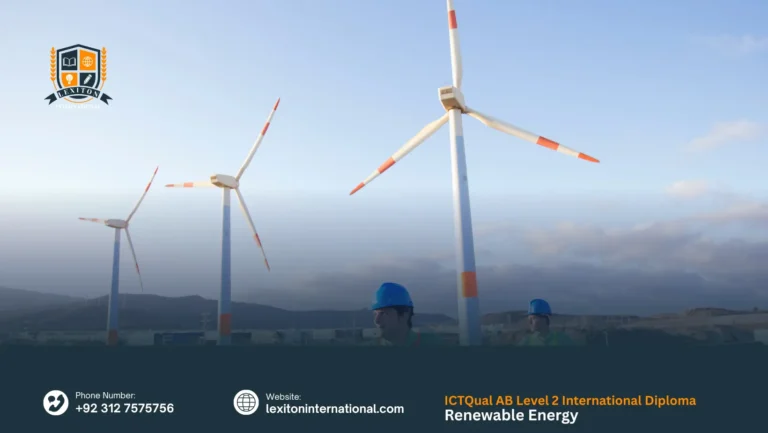
Renewable Energy Technologies
- Evaluate principles of solar, wind, and other renewable systems.
- Design basic renewable energy solutions.
- Assess efficiency and sustainability of renewable technologies.
- Apply renewable systems to practical engineering projects.
Electrical Project Management
- Plan engineering projects with clear objectives.
- Manage resources and scheduling effectively.
- Apply project management tools to ensure success.
- Evaluate project outcomes against performance criteria.
Technical Report Writing and Research Methods
- Develop technical writing skills for documentation.
- Apply research methods to engineering problems.
- Present findings effectively in reports.
- Use data analysis to support conclusions.
Year 3: Advanced Specialization and Application
Advanced Power Electronics
- Design advanced converters and inverters.
- Analyze applications in renewable energy and automation.
- Optimize power electronics for efficiency.
- Apply advanced testing methods to evaluate performance.
Smart Grid Technology
- Analyze components and functionality of smart grids.
- Integrate renewable sources into smart grid systems.
- Design solutions for grid stability and efficiency.
- Apply smart grid concepts to modern energy challenges.
Electrical Machine Design
- Apply design principles to electrical machines.
- Evaluate performance under different operating conditions.
- Optimize designs for efficiency and reliability.
- Apply testing methods to validate machine designs.
Advanced Control Systems
- Design advanced control strategies for dynamic systems.
- Use computational tools for simulation.
- Optimize control system performance.
- Apply control theory to industrial automation.
High Voltage Engineering
- Understand principles of high voltage generation.
- Analyze insulation and breakdown phenomena.
- Evaluate system behavior under stress conditions.
- Apply testing methods to ensure safety.
Instrumentation and Process Control
- Design advanced instrumentation systems.
- Apply process control techniques to maintain stability.
- Integrate sensors and actuators for efficiency.
- Evaluate system performance in industrial settings.
Advanced Embedded Systems
- Develop complex embedded systems with advanced programming.
- Integrate sensors and actuators for real-time control.
- Optimize embedded systems for efficiency.
- Apply embedded systems to industrial automation.
Energy Storage and Conversion Systems
- Evaluate performance of batteries and supercapacitors.
- Design efficient storage systems.
- Apply conversion techniques for energy management.
- Assess sustainability of storage technologies.
Wireless and Optical Communication
- Understand principles of wireless and optical systems.
- Analyze performance in different environments.
- Design communication systems for reliability.
- Apply advanced modulation techniques.
Electromagnetic Compatibility
- Identify sources of electromagnetic interference.
- Design systems to meet compatibility standards.
- Apply mitigation techniques to reduce interference.
- Evaluate system performance under EMI conditions.
Capstone Project
- Apply theoretical and practical knowledge to a major project.
- Demonstrate teamwork and project management skills.
- Solve complex engineering problems with innovation.
- Present project outcomes professionally.
Professional Development and Ethical Practices
- Understand ethical responsibilities of engineers.
- Apply professionalism in engineering practice.
- Develop strategies for continuous learning.
- Promote integrity and accountability in engineering.
This qualification is designed for motivated individuals who aspire to build advanced expertise in electrical engineering. The ideal learner demonstrates a balance of academic ability, practical skills, and professional commitment, ensuring they can thrive in both the classroom and industry environments.
Academic Readiness
- Possesses a solid foundation in mathematics, physics, and applied sciences.
- Demonstrates the ability to grasp complex theoretical concepts and apply them practically.
- Shows confidence in problem-solving and analytical thinking.
- Has prior exposure to technical or engineering-related studies.
- Displays a willingness to engage with advanced coursework and technical challenges.
Professional Orientation
- Brings relevant industry or technical work experience to enrich learning.
- Understands the importance of safety, compliance, and professional standards.
- Shows interest in applying engineering knowledge to real-world projects.
- Values teamwork and collaboration in technical environments.
- Demonstrates adaptability to evolving technologies and industry practices.
Technical Aptitude
- Comfortable using engineering tools, software, and digital platforms.
- Shows curiosity about electrical systems, automation, and emerging technologies.
- Possesses practical skills in handling circuits, instruments, or basic engineering tasks.
- Demonstrates logical thinking and precision in technical work.
- Willing to develop advanced competencies in design, simulation, and analysis.
Personal Attributes
- Highly motivated to pursue a career in electrical engineering.
- Displays resilience and determination when faced with academic or technical challenges.
- Values ethical responsibility and professional integrity.
- Demonstrates effective communication skills, both written and verbal.
- Maintains discipline, time management, and a proactive learning attitude.
Commitment to Learning
- Prepared to dedicate three years to structured study and skill development.
- Engages actively in both theoretical and practical aspects of the program.
- Willing to participate in projects, case studies, and applied research.
- Seeks continuous improvement through feedback and reflection.
- Demonstrates consistency in meeting deadlines and academic requirements.
Global and Sustainable Mindset
- Understands the importance of sustainability in engineering solutions.
- Shows awareness of environmental impacts of electrical systems.
- Values innovation that supports renewable energy and efficiency.
- Demonstrates openness to diverse perspectives and global industry practices.
- Seeks to contribute positively to society through responsible engineering.
The ideal learner for this diploma is someone who combines academic strength, technical curiosity, and professional commitment with a passion for innovation and sustainability. By embodying these qualities, learners will maximize the benefits of the program and position themselves as capable, forward-thinking professionals in the electrical engineering sector.
Completing this diploma opens diverse pathways for learners to advance their careers, enhance their technical expertise, and pursue specialized qualifications. The progression opportunities are designed to strengthen professional standing, expand industry knowledge, and support continuous growth in electrical engineering and related fields.
Advanced Professional Certifications
- Learners can pursue specialized certifications in electrical safety, energy management, or industrial automation.
- Professional recognition through certifications enhances credibility in engineering roles.
- Industry-focused credentials allow learners to demonstrate compliance with international standards.
- Certifications provide opportunities to specialize in areas such as renewable energy or power systems.
- Continuous certification ensures learners remain updated with evolving technologies.
Higher-Level Diplomas
- Progression to Level 7 Diplomas in Engineering Management or Electrical Engineering is possible.
- Advanced diplomas provide deeper expertise in leadership and technical innovation.
- Learners gain the ability to manage complex engineering projects and teams.
- Diplomas at higher levels strengthen career pathways into senior technical roles.
- Specialized diplomas allow learners to focus on niche areas such as smart grids or robotics.
Industry-Specific Training Programs
- Learners can engage in structured training programs tailored to power distribution, automation, or renewable energy.
- Industry training enhances hands-on skills and practical application of knowledge.
- Programs often align with employer requirements, improving career opportunities.
- Training supports adaptability to new technologies and industry practices.
- Specialized modules allow learners to refine expertise in targeted engineering sectors.
Professional Memberships and Licenses
- Learners may apply for membership in recognized engineering institutions.
- Professional memberships provide networking opportunities and industry recognition.
- Licenses or registrations enhance credibility and compliance with regulatory standards.
- Memberships often include access to resources, events, and professional development.
- Active participation in professional bodies supports career advancement and visibility.
Career Pathway Development
- Learners can progress into supervisory or managerial roles within engineering projects.
- Opportunities exist in industries such as energy, manufacturing, telecommunications, and construction.
- Career development includes roles in design, maintenance, and system optimization.
- Learners may advance into consultancy positions, offering expertise to organizations.
- Progression supports long-term stability and growth in technical and leadership roles.
Continuous Learning and Skill Enhancement
- Learners can pursue short courses in emerging technologies like AI in engineering or IoT systems.
- Continuous learning ensures adaptability to industry changes.
- Skill enhancement programs strengthen practical expertise in specialized tools and software.
- Ongoing training supports innovation and competitiveness in the workplace.
- Lifelong learning fosters resilience and professional growth in dynamic industries.
The ICTQual Level 6 Diploma in Electrical Engineering provides a strong foundation for learners to progress into advanced diplomas, certifications, and professional pathways. With opportunities for specialization, industry recognition, and continuous skill development, graduates are well-positioned to thrive as competent, innovative, and future-ready professionals in the electrical engineering sector.
Curious About This Course?