Introduction
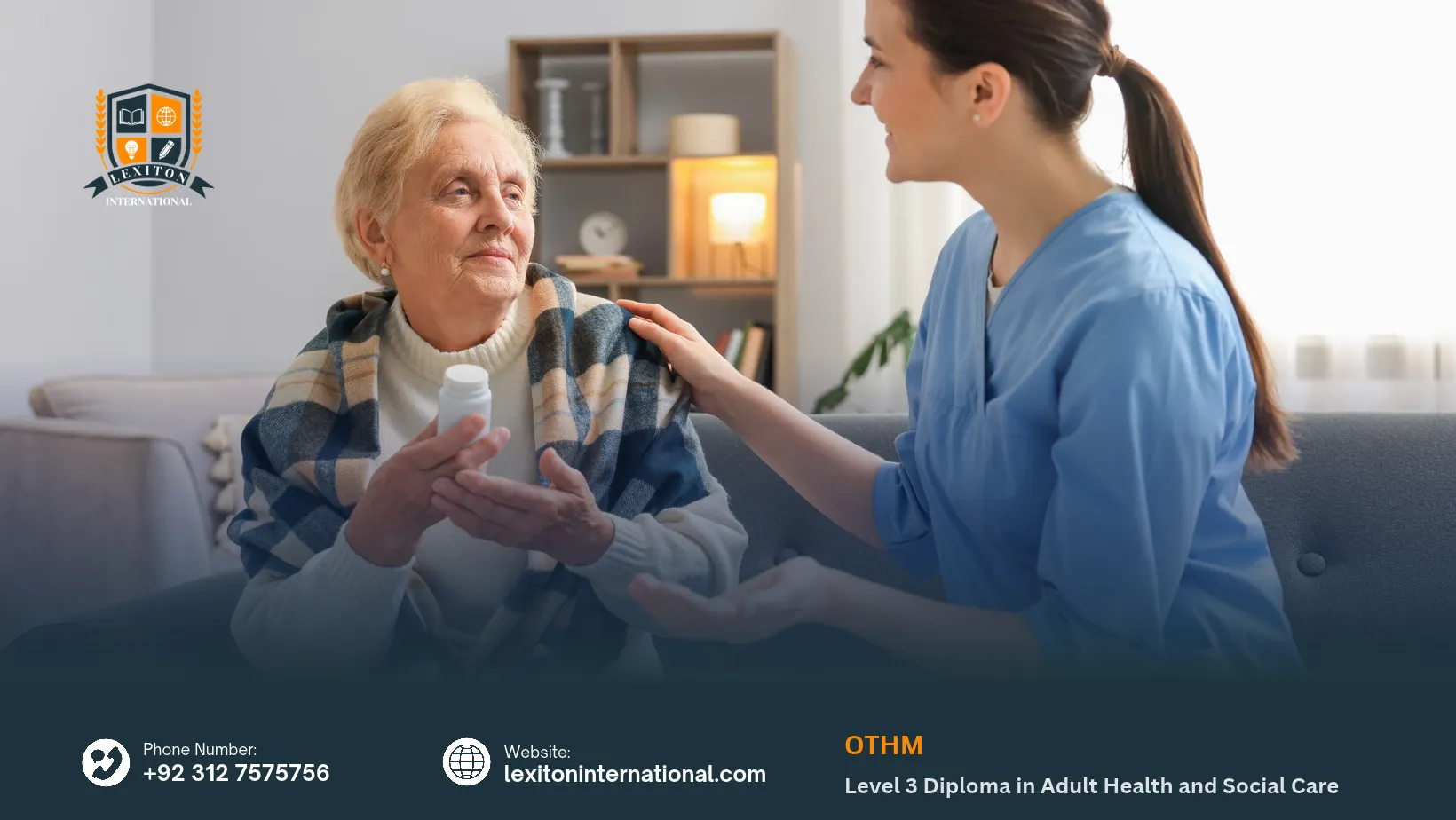
The OTHM Level 3 Diploma in Adult Health and Social Care is designed to develop Learners’ knowledge and understanding of adult care, person-centred support and professional practices within health and social care settings. This qualification introduces the essential principles required to support adults with dignity, respect, independence and compassion while promoting their wellbeing, safety and quality of life.
Throughout the course, Learners explore key areas of adult health and social care, including communication, safeguarding, equality and diversity, duty of care, health and safety, and the importance of maintaining confidentiality. The qualification also develops awareness of individual care needs, ethical responsibilities, professional boundaries and the importance of treating every person as an individual. These skills are relevant to care homes, residential services, community care, supported living and other adult care environments.
The OTHM Level 3 Diploma in Adult Health and Social Care is suitable for aspiring care workers, support workers, healthcare assistants and individuals seeking to develop their knowledge of adult care services. It provides a foundation for understanding how effective communication, safe working practices and person-centred approaches contribute to positive care experiences.
The OTHM Level 3 Diploma in Adult Health and Social Care is suitable for Learners interested in developing knowledge and skills for adult care services.
- Age: Normally 16 years or above, subject to approved centre requirements.
- Experience: Previous health and social care experience is beneficial but may not be essential.
- Language Proficiency: Basic English reading, writing and comprehension skills are recommended.
- Educational Background: A relevant secondary school education or equivalent is recommended.
This qualification, the OTHM Level 3 Diploma in Adult Health and Social Care, consists of 3 mandatory units and 3 optional mandatory units.
Mandatory Units
- Responsibilities of a Health and Social Care Worker
- Person-centered Approaches in Health and Social Care Settings
- Effective Communication and Ethical Practice in Health and Social Care
Optional Units – Select 3 Units
- Health Promotion
- Diabetes Awareness
- Stroke Awareness and Management
- Dementia Awareness
- Mental Health Awareness
- Physical Disability Awareness
- Effective Handling of Information in Health and Social Care Settings
Skills You Will Gain
The OTHM Level 3 Diploma in Adult Health and Social Care helps Learners develop essential knowledge and skills to support adults safely, respectfully and effectively in health and social care settings.
- Person-Centred Care: Understand how to provide support based on individual needs, preferences and choices.
- Effective Communication: Develop communication skills for interacting with adults, families and care professionals.
- Safeguarding Adults: Recognise signs of abuse, neglect and exploitation and understand appropriate reporting procedures.
- Health and Safety: Understand safe working practices to reduce risks in care environments.
- Equality and Diversity: Promote inclusion, respect individual differences and help prevent discrimination.
- Duty of Care: Understand professional responsibilities when providing adult health and social care.
- Confidentiality: Learn the importance of protecting personal information and respecting privacy.
- Promoting Independence: Support adults to maintain dignity, autonomy and daily living skills.
- Understanding Care Needs: Recognise different physical, emotional, social and personal care requirements.
- Infection Prevention: Understand hygiene practices and basic infection control measures in care settings.
- Professional Boundaries: Recognise appropriate conduct and maintain professional relationships with individuals receiving care.
- Teamwork: Understand how care workers collaborate with colleagues and other professionals to support consistent care.
- Record Keeping: Develop awareness of accurate documentation and the importance of reporting relevant information.
- Person’s Rights and Dignity: Promote choice, respect, privacy and dignity when supporting adults.
- Problem-Solving: Recognise common care challenges and understand when to seek guidance or report concerns.
- Promoting Wellbeing: Understand how appropriate care and social support can contribute to adults’ physical and emotional wellbeing.
The OTHM Level 3 Diploma in Adult Health and Social Care is suitable for Learners who want to develop essential knowledge and skills for supporting adults, promoting wellbeing and providing person-centred care.
Who Is This Course For
This course is particularly suitable for:
- Aspiring Care Workers: Individuals interested in starting a career in adult care services.
- Healthcare Assistants: Individuals seeking to strengthen their understanding of safe and respectful care.
- Support Workers: Professionals supporting adults with daily living activities and personal needs.
- Residential Care Staff: Individuals working or planning to work in residential care homes.
- Community Care Workers: People interested in supporting adults within their homes and communities.
- Social Care Assistants: Individuals wishing to develop their knowledge of care practices and professional responsibilities.
- Career Changers: Individuals interested in moving into the adult health and social care sector.
- New Care Professionals: Learners who want to understand safeguarding, duty of care and person-centred support.
- Family and Community Support Personnel: Individuals seeking knowledge of adult wellbeing, dignity and independence.
- Care Service Employees: Professionals wishing to improve their understanding of communication, equality and safe working practices.
- Entry-Level Learners: Individuals seeking foundational knowledge of adult health and social care principles.
Future Progression
The OTHM Level 3 Diploma in Adult Health and Social Care can help Learners develop the knowledge and skills needed to pursue opportunities in adult care services, residential care and community support.
Potential career opportunities include:
- Care Assistant: Support adults with daily living activities and personal care needs.
- Healthcare Assistant: Assist with basic care and wellbeing under appropriate supervision.
- Support Worker: Help adults maintain independence and participate in daily activities.
- Residential Care Worker: Provide support to individuals living in residential care settings.
- Community Care Worker: Assist adults who receive care and support within their homes.
- Domiciliary Care Assistant: Support individuals with personal care and everyday tasks at home.
- Adult Social Care Assistant: Contribute to person-centred care and individual wellbeing.
- Day Centre Support Worker: Assist adults participating in social, recreational and community activities.
- Care Home Assistant: Support residents while promoting dignity, safety and independence.
- Personal Support Worker: Provide assistance tailored to individual needs and preferences.
Curious About This Course?