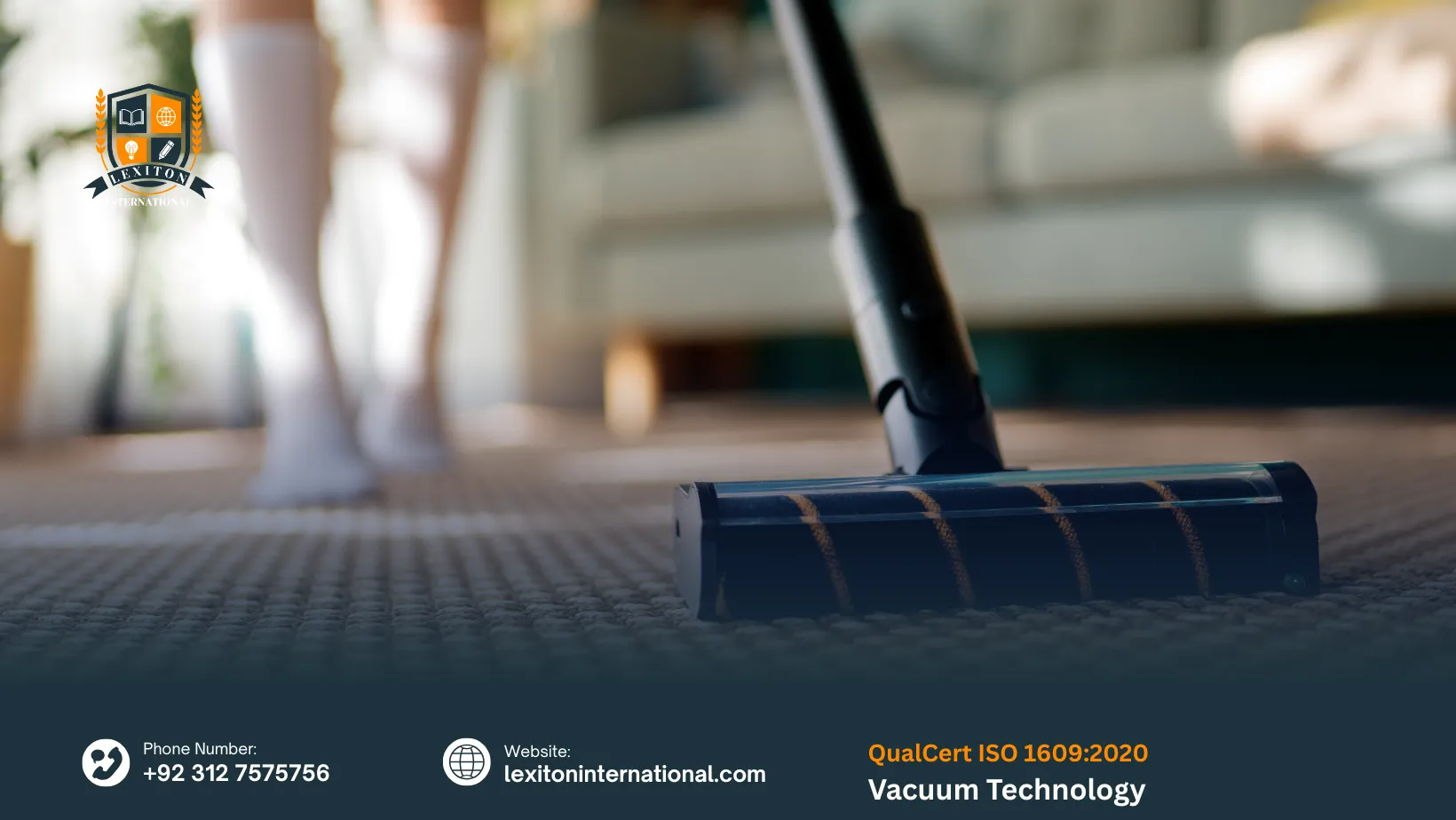
The QualCert ISO 1609:2020 Vacuum Technology Course provides learners with a comprehensive foundation in the principles, applications, and operational requirements of vacuum systems used across scientific, industrial, and manufacturing environments. This course introduces participants to the structure and purpose of ISO 1609:2020, helping them understand how standardized terminology, measurement methods, and performance criteria support the safe and efficient use of vacuum technology. Designed for technicians, engineers, operators, and quality professionals, the course blends theoretical knowledge with practical insights to build confidence in handling vacuum equipment, evaluating system performance, and ensuring compliance with international standards.
The course offers a detailed overview of vacuum science, covering essential concepts such as pressure measurement, vacuum levels, pumping mechanisms, leak detection, and system design considerations. Learners explore how vacuum systems operate within various industrial processes, including electronics manufacturing, material processing, laboratory research, and precision engineering. Through real-world examples and structured explanations, participants gain a clear understanding of how vacuum components interact, how system performance is measured, and how ISO 1609:2020 supports consistency and reliability in vacuum-related operations. This helps learners develop the ability to interpret technical specifications, assess equipment suitability, and troubleshoot common system issues.
In addition, the course provides an in-depth look at how ISO 1609:2020 contributes to quality assurance, operational safety, and process optimization. Learners examine the importance of standardized terminology, calibration methods, and performance criteria in maintaining system accuracy and preventing operational failures. The course also highlights the role of vacuum technology in modern industries, emphasizing the need for proper maintenance, monitoring, and documentation to ensure long-term system stability. By the end of the program, participants are equipped with the knowledge required to support vacuum system operations, contribute to quality improvement initiatives, and apply ISO 1609:2020 principles effectively in their professional environments.
To ensure that learners can fully benefit from this QualCert ISO 1609:2020 Vacuum Technology, a set of entry requirements has been established. These requirements help maintain a suitable level of readiness and ensure participants can engage effectively with the material. They also support a productive learning environment where all learners can progress confidently.
- Age Requirement: Applicants must be at least 18 years old to ensure they possess the maturity and responsibility needed to understand technical concepts and industrial practices.
- Qualification Requirement: A basic qualification such as a certificate or diploma in engineering, physics, manufacturing, or a related technical field is recommended to support comprehension of vacuum principles and system operations.
- Professional Experience: Experience in laboratory work, industrial operations, equipment maintenance, or technical environments is beneficial, helping learners relate course content to real-world vacuum applications.
- Educational Background: A general educational background in science, engineering, or industrial technology is preferred, as it supports understanding of pressure systems, measurement techniques, and equipment behaviour.
- Language Proficiency Requirement: Learners should have a good command of English to understand technical terminology, participate in discussions, and complete assessments effectively.
- Technical Skills Requirement: Basic computer literacy is required, including the ability to use digital documents, online learning platforms, and technical resources relevant to the course.
Mandatory Units
The learning outcomes for the ISO 1609:2020 Vacuum Technology Course are designed to equip learners with a strong technical foundation in vacuum science, system design, performance evaluation, and safe operational practices. Each unit builds progressively, ensuring participants gain the knowledge and practical understanding required to work confidently with vacuum systems across scientific, industrial, and research environments.
1. Fundamentals of Vacuum Technology
- Define essential terminology and concepts used in vacuum technology in alignment with ISO 1609:2020 standards.
- Explain how vacuum is created, including the principles behind pressure reduction, vacuum ranges, and system behaviour at different pressure levels.
- Describe the importance of vacuum systems in various sectors such as manufacturing, laboratory research, and precision engineering.
- Distinguish between low, medium, high, and ultra‑high vacuum levels and understand their specific applications.
- Assess how vacuum conditions influence material behaviour, process efficiency, and system performance.
2. Vacuum System Design and Components
- Identify key vacuum system components such as pumps, valves, seals, gauges, and understand their individual functions.
- Understand the principles of designing an efficient vacuum system layout, including flow paths, chamber design, and system integration.
- Select suitable components based on operational requirements, performance expectations, and environmental conditions.
- Analyze material compatibility, sealing requirements, and configuration needs for different vacuum applications.
- Evaluate how component selection impacts system stability, efficiency, and long‑term reliability.
3. Measurement and Control in Vacuum Systems
- Describe various pressure measurement techniques using ISO‑standard gauges and instruments.
- Interpret pressure readings, performance curves, and system trends to assess vacuum stability and efficiency.
- Understand the operation of control systems used to regulate pressure, flow, and system response in vacuum environments.
- Integrate sensors, digital monitoring tools, and automated controls into vacuum system designs for improved accuracy.
- Evaluate how measurement and control strategies influence process quality and operational safety.
4. Maintenance and Troubleshooting in Vacuum Systems
- Perform routine maintenance tasks such as pump servicing, seal replacement, lubrication, and system cleaning.
- Identify common operational issues including leaks, contamination, mechanical wear, and performance degradation.
- Apply diagnostic techniques to determine root causes of system faults and implement corrective actions.
- Document maintenance activities in accordance with technical, operational, and safety requirements.
- Develop preventive maintenance strategies to enhance system reliability and extend equipment lifespan.
5. Safety Standards and Applications of Vacuum Technology
- Understand and apply ISO‑aligned safety procedures for operating, maintaining, and inspecting vacuum systems.
- Assess hazards such as implosion risks, toxic outgassing, electrical hazards, and pressure‑related failures.
- Identify major industrial applications of vacuum technology in sectors including aerospace, pharmaceuticals, metallurgy, and semiconductor manufacturing.
- Implement safe working practices, emergency protocols, and risk‑control measures in vacuum environments.
- Evaluate how safety standards contribute to operational stability and regulatory compliance.
6. Operational Parameters and Performance Evaluation of Vacuum Systems
- Monitor essential operational parameters such as base pressure, pump‑down time, throughput, and leak rate.
- Evaluate system performance using diagnostic tools, performance charts, and trend analysis.
- Compare theoretical design expectations with actual system performance to identify deviations.
- Recommend adjustments, upgrades, or process modifications to improve system efficiency and reliability.
- Assess long‑term performance trends to support predictive maintenance and continuous improvement.
The ideal learner for the ISO 1609:2020 Vacuum Technology Course is someone who is eager to understand the science, operation, and safety requirements of vacuum systems used across industrial, laboratory, and research environments. This course is designed for individuals who want to strengthen their technical capabilities and apply standardized practices in vacuum technology.
Technicians and Equipment Operators
- Individuals working with vacuum pumps, chambers, gauges, or related equipment
- Operators responsible for monitoring system performance and maintaining stable vacuum levels
- Personnel involved in routine system checks, calibration, and equipment handling
- Learners seeking to improve their understanding of vacuum behaviour and system response
- Those aiming to enhance their troubleshooting and operational skills
Engineers and Technical Specialists
- Engineers involved in designing, maintaining, or optimizing vacuum systems
- Professionals working in manufacturing, electronics, materials processing, or laboratory environments
- Individuals responsible for selecting components and evaluating system performance
- Learners aiming to deepen their understanding of pressure measurement and system control
- Those seeking to apply ISO‑aligned principles to technical operations
Quality Assurance and Compliance Personnel
- Professionals responsible for ensuring equipment meets ISO 1609:2020 requirements
- Individuals involved in calibration, inspection, and performance verification
- Personnel monitoring system reliability, safety, and operational consistency
- Learners aiming to strengthen their understanding of standardized terminology and measurement methods
- Those supporting documentation, reporting, and quality improvement initiatives
Maintenance and Service Professionals
- Technicians responsible for servicing pumps, seals, valves, and vacuum components
- Individuals performing preventive maintenance and system diagnostics
- Personnel troubleshooting leaks, contamination, and performance issues
- Learners seeking to improve their ability to identify root causes of system faults
- Those aiming to enhance equipment longevity and operational stability
Laboratory and Research Staff
- Individuals working in scientific labs requiring controlled vacuum environments
- Researchers using vacuum systems for experiments, material testing, or analytical procedures
- Personnel responsible for maintaining safe and accurate vacuum conditions
- Learners seeking to understand how vacuum levels influence experimental outcomes
- Those aiming to improve system reliability and measurement accuracy
Aspiring Vacuum Technology Specialists
- Individuals preparing for technical roles in vacuum‑dependent industries
- Learners seeking recognition as skilled practitioners in vacuum operations
- Professionals aiming to broaden their technical portfolio with ISO 1609 knowledge
- Those interested in contributing to innovation in vacuum system design and performance
- Learners motivated to build credibility in advanced technical environments
This course is ideal for anyone committed to mastering vacuum technology, improving operational safety, and applying ISO‑aligned practices across scientific and industrial settings.
Completing the ISO 1609:2020 Vacuum Technology Course opens multiple pathways for professional growth. Learners gain specialized knowledge that supports advancement into technical, supervisory, and quality‑focused roles, as well as eligibility for further certifications and diplomas.
Advanced Technical Roles
- Opportunities to work as senior technicians or system specialists
- Ability to oversee vacuum operations in manufacturing or laboratory environments
- Increased responsibility in system design, optimization, and performance evaluation
- Enhanced credibility in handling complex vacuum applications
- Recognition as a technical expert in vacuum system operations
Quality and Compliance Pathways
- Advancement into roles focused on equipment calibration and performance verification
- Opportunities to support ISO‑aligned audits and compliance programs
- Ability to implement standardized measurement and documentation practices
- Strengthened role in ensuring operational accuracy and system reliability
- Recognition as a quality assurance specialist in vacuum technology
Maintenance and Engineering Development
- Ability to take on advanced maintenance responsibilities for pumps and vacuum systems
- Opportunities to lead troubleshooting, diagnostics, and preventive maintenance programs
- Capability to recommend system upgrades and performance improvements
- Enhanced skills in identifying root causes of system failures
- Recognition as a key contributor to equipment reliability and efficiency
Consulting and Technical Advisory Opportunities
- Ability to provide guidance on vacuum system selection, installation, and optimization
- Opportunities to support organizations in meeting ISO 1609:2020 requirements
- Capability to advise on safety practices, performance monitoring, and system design
- Enhanced credibility as a technical consultant in vacuum‑dependent industries
- Potential to expand into multi‑standard consulting across related technical fields
Further Diplomas and Certifications
- Eligibility to pursue advanced diplomas in vacuum science, instrumentation, or industrial technology
- Opportunities to expand into certifications related to quality management or equipment calibration
- Ability to specialize in advanced vacuum applications used in semiconductor, aerospace, or research sectors
- Strengthened foundation for certifications in technical inspection and system evaluation
- Increased potential for recognition through industry‑specific technical credentials
Leadership and Operational Improvement Roles
- Opportunities to lead teams responsible for vacuum operations and system maintenance
- Ability to contribute to strategic decisions regarding equipment upgrades and process improvements
- Increased involvement in safety programs and operational risk management
- Capability to drive continuous improvement initiatives in technical environments
- Recognition as a leader committed to efficiency, safety, and innovation
This course provides a strong platform for long‑term professional development, enabling learners to advance into specialized roles, pursue additional certifications, and contribute meaningfully to industries that rely on vacuum technology.
Curious About This Course?