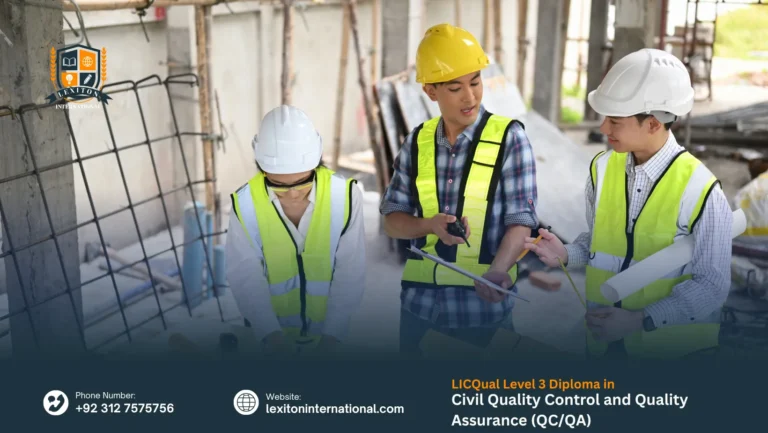
The LICQual Level 6 Diploma in Civil Quality Control and Quality Assurance (QC/QA) is a specialized qualification designed to provide learners with advanced knowledge and expertise in managing quality standards within civil engineering projects. This program introduces participants to the principles of inspection, compliance, auditing, and assurance practices that are essential for ensuring safety, reliability, and efficiency in civil construction works. It emphasizes the importance of quality frameworks, international standards, and systematic approaches to monitoring and controlling processes, preparing learners to take on leadership roles in the field of civil quality management.
The course overview highlights the comprehensive nature of this diploma, covering both theoretical foundations and practical applications of quality control in civil engineering. Learners will explore advanced topics such as material testing, site inspection procedures, documentation control, and compliance with regulatory frameworks. The program also integrates modern approaches to quality assurance, including digital monitoring systems, risk assessment strategies, and continuous improvement methodologies. By engaging with real-world case studies and industry practices, participants will develop the ability to evaluate civil projects critically and implement corrective measures that align with organizational and international standards.
In addition, the diploma provides a structured pathway for professionals aiming to advance their careers in civil quality assurance. It is tailored for engineers, supervisors, and inspectors seeking to enhance their expertise and credibility in managing large-scale civil projects. By completing this program, learners will not only strengthen their technical knowledge but also acquire the leadership, problem-solving, and decision-making skills required to oversee complex construction projects with confidence. The qualification is internationally recognized, making it a valuable credential for professionals aspiring to work across diverse sectors such as infrastructure development, construction management, and project compliance.
To enroll in the LICQual Level 6 Diploma in Civil Quality Control and Quality Assurance, candidates must meet the following entry requirements:
- Age Requirements: Applicants must be at least 21 years old at the time of enrollment to ensure maturity and readiness for advanced study.
- Qualification Requirements: A Level 5 diploma or equivalent qualification in civil engineering, construction management, or a related discipline is required.
- Professional Experience: Candidates should have at least 2–3 years of relevant work experience in civil projects, inspection, or quality assurance roles.
- Educational Background: A strong foundation in mathematics, physics, or engineering studies is essential to understand the technical aspects of the course.
- English Language Proficiency: Learners must demonstrate adequate English communication skills, as the course involves technical documentation and reporting.
- Technical Skills Requirement: Basic computer literacy and familiarity with industry-standard software tools are necessary for managing quality records and audits.
Mandatory Units
By completing this diploma, learners will gain advanced knowledge, practical skills, and professional competencies required to excel in civil quality control and assurance. Each unit is designed to build expertise step by step, ensuring learners are prepared to meet industry demands and contribute effectively to civil engineering projects.
Principles of Quality Control and Assurance in Civil Engineering
- Define the principles and objectives of quality control and assurance in civil engineering projects and explain their importance in ensuring safety and reliability.
- Distinguish clearly between quality control and quality assurance, highlighting their unique roles in the construction process.
- Analyze the historical evolution of quality management practices and evaluate their impact on modern civil engineering standards.
- Identify the roles and responsibilities of stakeholders, including engineers, inspectors, and managers, in maintaining quality standards.
- Assess how quality principles contribute to project efficiency, sustainability, and long-term performance.
Quality Planning and Documentation
- Develop comprehensive quality plans tailored to the specific requirements of civil engineering projects.
- Describe the essential components of effective quality documentation, including manuals, checklists, and records.
- Apply systematic approaches to preparing, organizing, and maintaining accurate documentation for audits and inspections.
- Evaluate the role of quality planning in achieving project success, reducing risks, and ensuring compliance.
- Demonstrate the ability to integrate documentation practices into overall project management frameworks.
Inspection and Testing in Civil Construction
- Explain the purpose and importance of inspection and testing in ensuring compliance with civil construction standards.
- Perform key testing methods for materials such as concrete, steel, and soil, following industry-approved procedures.
- Interpret inspection and testing data to verify compliance with project specifications and identify potential issues.
- Identify common challenges in inspection and testing processes and propose practical solutions to overcome them.
- Apply inspection and testing techniques to real-world scenarios, ensuring accuracy and reliability in results.
Standards and Compliance in Civil Engineering
- Identify key international and regional standards applicable to civil engineering projects.
- Explain the legal, ethical, and professional implications of adhering to construction standards.
- Assess compliance requirements in various project scenarios and recommend corrective actions where necessary.
- Analyze case studies to evaluate the impact of non-compliance on safety, sustainability, and project costs.
- Demonstrate the ability to integrate compliance practices into everyday project management and quality assurance activities.
Risk Management and Continuous Improvement
- Identify risks that can affect quality assurance and control in civil engineering projects.
- Develop effective risk management strategies to address quality-related challenges and minimize project delays.
- Explain the principles of continuous improvement and their application to civil quality management systems.
- Evaluate tools and techniques such as root cause analysis, lean methodologies, and Six Sigma for quality enhancement.
- Apply continuous improvement strategies to promote efficiency, innovation, and long-term project success.
Project Management and Leadership for Quality Assurance
- Demonstrate knowledge of project management principles directly relevant to quality assurance in civil engineering.
- Identify leadership strategies that foster a culture of quality and accountability within engineering teams.
- Analyze the impact of effective communication, collaboration, and coordination on achieving quality outcomes.
- Develop project management plans that integrate quality assurance practices with leadership best practices.
- Apply leadership skills to motivate teams, resolve conflicts, and ensure compliance with quality standards.
By completing this diploma, learners will be equipped with the technical expertise, analytical skills, and leadership capabilities required to manage quality assurance and control in civil engineering projects. This qualification empowers professionals to take on advanced roles, drive continuous improvement, and contribute to the successful delivery of safe, sustainable, and high-quality civil infrastructure worldwide.
The LICQual Level 6 Diploma in Civil Quality Control and Quality Assurance is designed for individuals who are motivated to advance their expertise in civil engineering and quality management. The ideal learner is someone who combines technical knowledge with a commitment to professional growth and industry standards.
Academic Background
- Holds prior qualifications in civil engineering, construction management, or related technical fields
- Possesses strong foundations in mathematics, physics, and engineering principles
- Demonstrates the ability to understand complex technical documentation and compliance frameworks
- Shows readiness for advanced-level study and analytical thinking
- Has a keen interest in applying theoretical knowledge to practical civil engineering scenarios
Professional Experience
- Involved in civil construction projects, inspections, or quality assurance roles
- Familiar with site operations, material testing, and compliance procedures
- Experienced in working with multidisciplinary teams in construction environments
- Demonstrates problem-solving skills in addressing quality-related challenges
- Seeks to enhance career prospects by gaining advanced quality assurance expertise
Personal Attributes
- Detail-oriented and committed to accuracy in inspection and documentation
- Strong analytical and critical thinking skills for evaluating project quality
- Effective communicator capable of collaborating with diverse stakeholders
- Leadership potential with the ability to motivate and guide teams
- Adaptable to evolving industry standards and technological advancements
Career Aspirations
- Aims to progress into senior roles such as quality assurance manager or project supervisor
- Seeks international opportunities in civil engineering and construction industries
- Interested in consultancy work focusing on compliance and quality management
- Motivated to contribute to sustainable and safe infrastructure development
- Aspires to become a recognized professional in civil quality assurance globally
Technical Skills
- Competent in using industry-standard software for documentation and audits
- Familiar with digital tools for inspection, testing, and compliance monitoring
- Capable of integrating modern methodologies into quality assurance practices
- Skilled in interpreting data and applying corrective measures effectively
- Prepared to adopt continuous improvement strategies in civil engineering projects
The ideal learner for this diploma is a motivated professional or graduate who seeks to combine technical expertise with leadership and compliance skills, ensuring they are well-prepared to meet the demands of civil engineering quality assurance at both local and international levels.
Completing the LICQual Level 6 Diploma in Civil Quality Control and Quality Assurance opens diverse opportunities for learners to advance academically, professionally, and globally. This qualification provides a strong foundation for career growth, leadership roles, and further education pathways.
Career Advancement in Civil Quality Assurance
- Opportunities to move into senior inspector and compliance manager roles
- Eligibility for supervisory positions overseeing quality assurance teams in civil projects
- Enhanced credibility for consultancy work in auditing and compliance services
- Ability to lead quality departments in construction and infrastructure firms
- Recognition as a qualified professional capable of ensuring adherence to international standards
Pathways to Higher Education
- Progression to advanced diplomas or postgraduate programs in civil engineering and quality management
- Access to specialized courses in project management, risk assessment, and compliance systems
- Opportunities to pursue research-based qualifications focusing on innovation in civil quality management
- Strengthened academic profile for entry into international universities and institutions
Industry-Specific Opportunities
- Employment prospects in infrastructure development, construction management, and compliance auditing
- Roles in government and regulatory bodies overseeing civil engineering standards
- Opportunities in energy, transportation, and urban development projects requiring strict quality assurance
- Engagement with multinational contractors and organizations on global civil projects
- Potential to work in industries where safety and compliance are critical to success
Professional Development and Certifications
- Access to advanced professional certifications in quality management and auditing
- Opportunities to attend industry workshops, seminars, and conferences for continuous learning
- Development of specialized skills in digital quality control systems and modern inspection tools
- Recognition by professional bodies for career progression and networking opportunities
- Strengthened portfolio for applying to international quality assurance associations
Leadership and Consultancy Roles
- Ability to establish independent consultancy services in civil quality assurance
- Opportunities to mentor and train junior engineers and inspectors in QC/QA practices
- Leadership roles in developing organizational quality policies and compliance strategies
- Capacity to contribute to policy-making and standard-setting in civil industries
- Potential to influence industry practices through expertise and professional authority
Global Opportunities
- Increased employability in international markets where quality assurance is highly valued
- Opportunities to work on multinational projects requiring advanced QC/QA expertise
- Recognition of qualification across diverse industrial sectors worldwide
- Ability to collaborate with global teams on compliance and inspection projects
- Pathway to long-term career stability and growth in international organizations
The LICQual Level 6 Diploma in Civil Quality Control and Quality Assurance is not only a qualification but a gateway to professional excellence, leadership, and global recognition. Learners who complete this program will be equipped with the knowledge, skills, and credibility to progress confidently into advanced roles, higher education, and international opportunities, ensuring a successful and impactful career in civil engineering.
Curious About This Course?