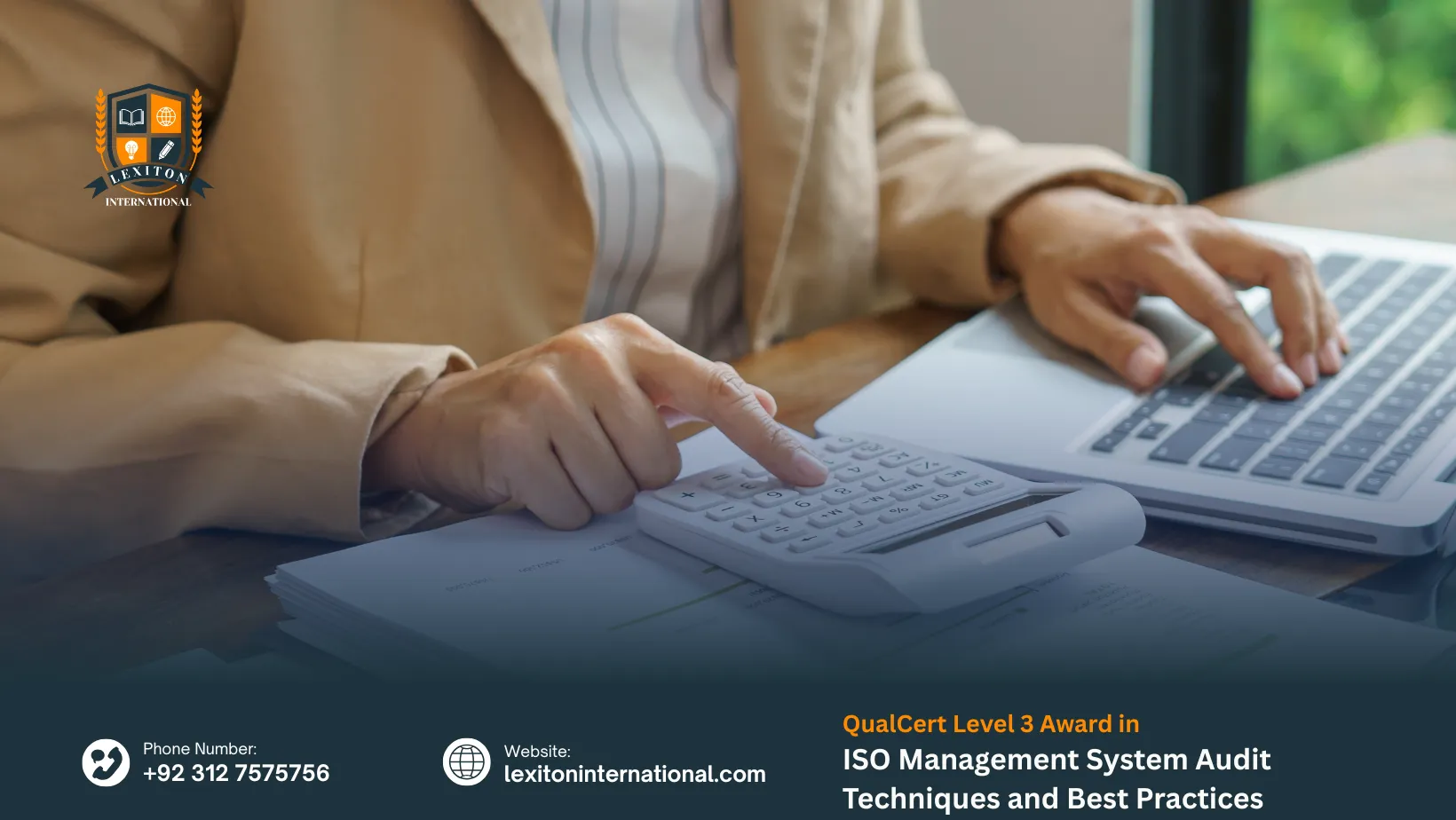
The QualCert Level 3 Award in ISO Management System Audit Techniques and Best Practices is designed to equip learners with the essential knowledge, skills, and confidence required to conduct effective audits in line with international ISO standards. This course introduces participants to the principles of auditing, the role of auditors in organizational compliance, and the importance of structured audit methodologies. Learners will gain practical insights into planning, executing, and reporting audits while understanding how audit findings contribute to continual improvement and organizational excellence. By blending theoretical foundations with real-world applications, the program ensures that learners are prepared to meet the demands of modern auditing practices across diverse industries.
This qualification provides a comprehensive exploration of ISO management system audit techniques, focusing on both the technical and interpersonal skills required for successful auditing. Learners will study the audit lifecycle, including preparation, evidence collection, evaluation, and reporting, while also developing the ability to identify non-conformities and recommend corrective actions. The course emphasizes best practices in audit management, ensuring participants understand how to maintain impartiality, accuracy, and professionalism throughout the process.
In addition, the program highlights the strategic role of audits in driving organizational improvement and compliance with international standards. Learners will explore case studies and practical scenarios that demonstrate how effective audits can enhance efficiency, reduce risks, and strengthen stakeholder confidence. By the end of the course, participants will be able to apply internationally recognized audit techniques, contribute to organizational success, and pursue further professional development in quality and compliance management.
To ensure learners are well-prepared for QualCert Level 3 Award in ISO Management System Audit Techniques and Best Practices, the following entry requirements must be met:
- Age Requirements: Learners must be at least 18 years old at the time of enrollment to ensure maturity and readiness for professional-level study.
- Qualification Requirements: A minimum of a Level 2 qualification or equivalent in any discipline is required to demonstrate foundational academic ability.
- Professional Experience: At least one year of relevant work experience in administration, compliance, or quality-related roles is preferred to provide practical context.
- Educational Background: Candidates should have a basic understanding of organizational processes and management systems, ideally gained through prior study or workplace exposure.
- Language Proficiency: Learners must have a good command of English, as the course involves technical terminology, report writing, and communication skills.
- Technical Skills: Basic computer literacy is required, including the ability to use word processing, spreadsheets, and online learning platforms effectively.
Mandatory Units
The ideal learner for this qualification is someone who demonstrates professional maturity, a keen interest in organizational compliance, and the ability to apply analytical thinking to real-world auditing scenarios. Learners should embody the following characteristics:
Professional Orientation
- Motivated to pursue a career in auditing, compliance, or quality management.
- Interested in applying ISO standards to improve organizational performance.
- Committed to professional development and continuous learning.
- Able to balance technical knowledge with practical workplace application.
- Seeks to enhance credibility and employability in diverse industries.
Analytical and Critical Thinking
- Possesses strong problem-solving skills and the ability to evaluate complex systems.
- Capable of interpreting detailed ISO clauses and requirements.
- Demonstrates logical reasoning when identifying risks and nonconformities.
- Comfortable with evidence-based decision-making and structured analysis.
- Interested in connecting audit findings to organizational improvement.
Communication and Collaboration
- Skilled in clear and professional communication across different organizational levels.
- Able to work effectively within audit teams and delegate responsibilities.
- Demonstrates confidence in handling objections or conflicts during audits.
- Values collaboration and stakeholder engagement in compliance processes.
- Seeks to build trust and credibility through transparent communication.
Ethical and Professional Standards
- Committed to upholding confidentiality and impartiality in audits.
- Demonstrates integrity and fairness in professional practice.
- Understands the importance of ethical conduct in compliance roles.
- Respects organizational diversity and cultural sensitivity during audits.
- Strives to maintain professionalism under pressure.
Technical and Practical Readiness
- Possesses basic computer literacy and familiarity with audit tools.
- Comfortable with both on-site and remote audit environments.
- Able to manage documentation, reporting, and audit trails effectively.
- Prepared to apply theoretical knowledge in practical scenarios.
- Interested in leveraging technology to enhance audit efficiency.
Growth Mindset
- Open to feedback and committed to self-improvement.
- Seeks opportunities to expand knowledge beyond the course.
- Motivated to pursue higher-level qualifications in auditing or compliance.
- Values lifelong learning and adaptability in a changing business environment.
- Aspires to contribute meaningfully to organizational success.
The ideal learner for this course is a motivated professional who combines analytical ability, ethical conduct, and a commitment to continuous improvement, ensuring they are well-prepared to excel in ISO management system auditing.
The ideal learner for this qualification is someone who demonstrates professional maturity, a keen interest in organizational compliance, and the ability to apply analytical thinking to real-world auditing scenarios. Learners should embody the following characteristics:
Professional Orientation
- Motivated to pursue a career in auditing, compliance, or quality management.
- Interested in applying ISO standards to improve organizational performance.
- Committed to professional development and continuous learning.
- Able to balance technical knowledge with practical workplace application.
- Seeks to enhance credibility and employability in diverse industries.
Analytical and Critical Thinking
- Possesses strong problem-solving skills and the ability to evaluate complex systems.
- Capable of interpreting detailed ISO clauses and requirements.
- Demonstrates logical reasoning when identifying risks and nonconformities.
- Comfortable with evidence-based decision-making and structured analysis.
- Interested in connecting audit findings to organizational improvement.
Communication and Collaboration
- Skilled in clear and professional communication across different organizational levels.
- Able to work effectively within audit teams and delegate responsibilities.
- Demonstrates confidence in handling objections or conflicts during audits.
- Values collaboration and stakeholder engagement in compliance processes.
- Seeks to build trust and credibility through transparent communication.
Ethical and Professional Standards
- Committed to upholding confidentiality and impartiality in audits.
- Demonstrates integrity and fairness in professional practice.
- Understands the importance of ethical conduct in compliance roles.
- Respects organizational diversity and cultural sensitivity during audits.
- Strives to maintain professionalism under pressure.
Technical and Practical Readiness
- Possesses basic computer literacy and familiarity with audit tools.
- Comfortable with both on-site and remote audit environments.
- Able to manage documentation, reporting, and audit trails effectively.
- Prepared to apply theoretical knowledge in practical scenarios.
- Interested in leveraging technology to enhance audit efficiency.
Growth Mindset
- Open to feedback and committed to self-improvement.
- Seeks opportunities to expand knowledge beyond the course.
- Motivated to pursue higher-level qualifications in auditing or compliance.
- Values lifelong learning and adaptability in a changing business environment.
- Aspires to contribute meaningfully to organizational success.
The ideal learner for this course is a motivated professional who combines analytical ability, ethical conduct, and a commitment to continuous improvement, ensuring they are well-prepared to excel in ISO management system auditing.
Completing this qualification opens doors to advanced opportunities in auditing, compliance, and organizational management. Learners can progress toward higher-level certifications, specialized roles, and leadership positions.
Advanced Qualifications
- Eligible to pursue Level 4 and Level 5 qualifications in auditing and compliance.
- Opportunity to specialize in advanced ISO standards such as ISO 27001 or ISO 22000.
- Pathway to international certifications in quality and risk management.
- Access to professional memberships in auditing and compliance bodies.
- Recognition as a qualified professional in global markets.
Career Development
- Prepared for roles such as Internal Auditor, Compliance Officer, or Quality Assurance Specialist.
- Enhanced employability across industries including manufacturing, healthcare, IT, and services.
- Ability to take on supervisory or team leadership responsibilities in audit functions.
- Increased potential for career advancement in compliance and governance.
- Competitive edge in securing roles with multinational organizations.
Organizational Impact
- Equipped to contribute to organizational efficiency and risk reduction.
- Capable of supporting continuous improvement initiatives through structured audits.
- Able to strengthen stakeholder confidence in compliance processes.
- Positioned to drive organizational excellence through audit findings.
- Recognized as a valuable contributor to long-term sustainability.
Professional Networking
- Opportunity to connect with industry experts and fellow auditors.
- Access to professional communities and forums for knowledge exchange.
- Ability to build networks that support career growth and collaboration.
- Exposure to diverse industries and international practices.
- Enhanced visibility in professional auditing circles.
Leadership Pathways
- Prepared to transition into audit management or compliance leadership roles.
- Ability to mentor junior auditors and share best practices.
- Equipped to lead organizational audit programs and compliance strategies.
- Positioned to influence policy development and governance frameworks.
- Potential to become a recognized authority in auditing and compliance.
Lifelong Learning Opportunities
- Encouraged to pursue continuous professional development through workshops and seminars.
- Opportunity to expand expertise into related fields such as risk management or sustainability.
- Access to evolving knowledge as ISO standards are updated globally.
- Ability to adapt skills to emerging technologies in auditing.
- Commitment to lifelong learning ensures relevance in a dynamic business environment.
Future progression from this qualification empowers learners to advance academically, professionally, and personally, enabling them to become leaders in auditing, compliance, and organizational excellence.
Curious About This Course?