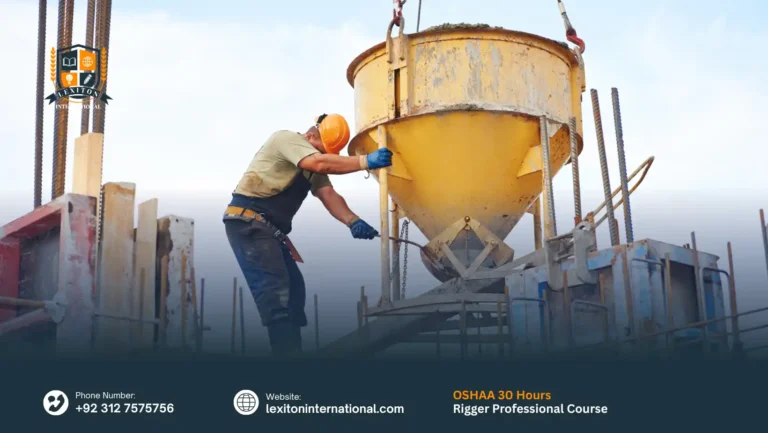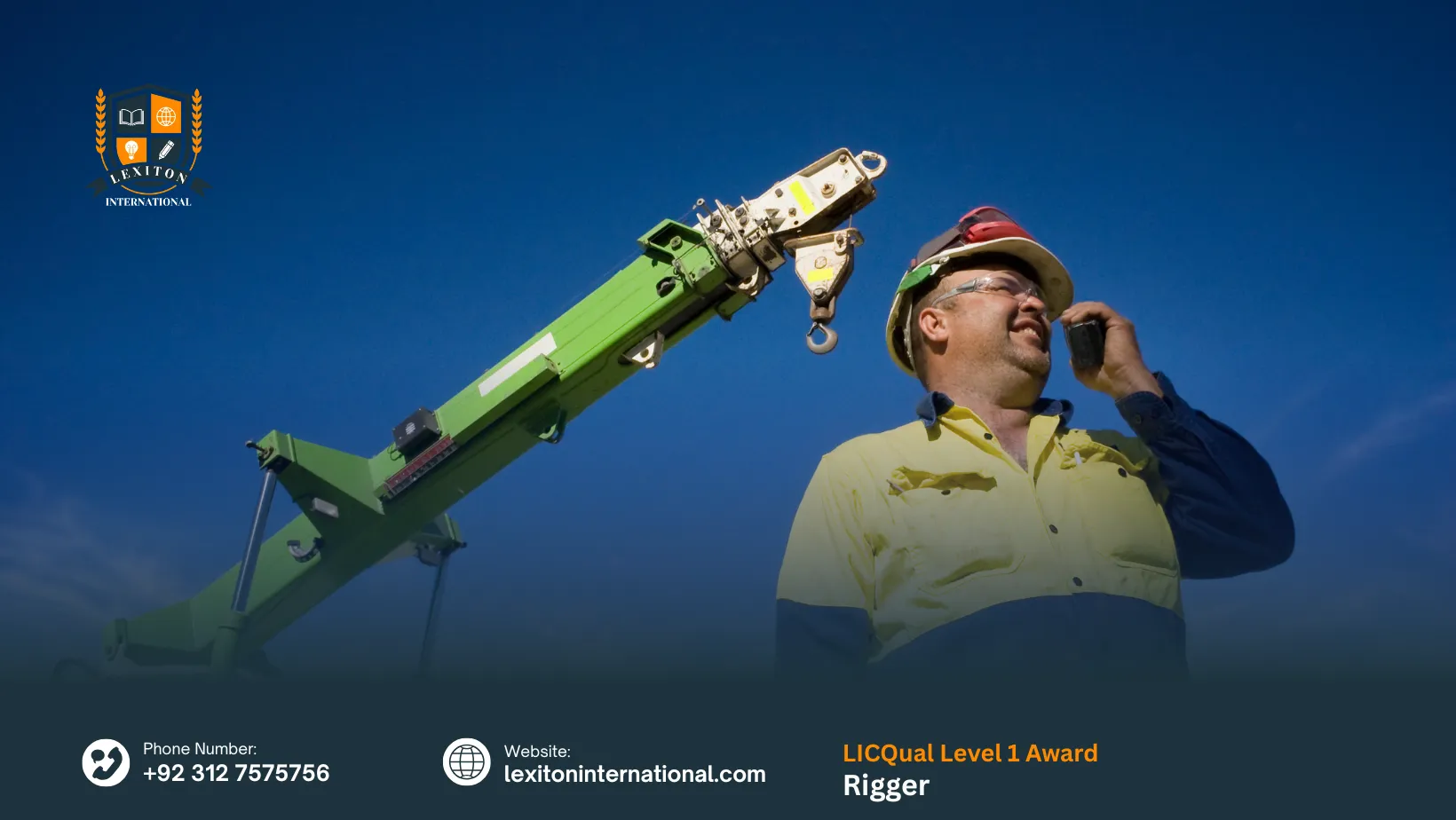
The LICQual Level 1 Award in Rigger is an introductory qualification designed to provide essential knowledge and understanding of basic rigging operations. It focuses on developing awareness of safe lifting practices, equipment handling, and fundamental rigging principles used across industries such as construction, oil and gas, shipping, and manufacturing. This course is suitable for individuals who are beginning to explore roles in lifting and rigging environments.
The programme introduces key concepts such as basic load handling, identification of lifting equipment, simple inspection procedures, and communication methods used during lifting operations. Learners gain an understanding of safety requirements, risk awareness, and standard industry procedures that guide rigging activities. The content is designed to build strong foundational knowledge of how safe lifting operations are planned and supported.
This qualification is appropriate for individuals seeking entry-level knowledge in rigging and lifting support roles. It strengthens understanding of workplace safety, operational discipline, and teamwork in high-risk environments. The LICQual Level 1 Award in Rigger provides a solid grounding in rigging principles that are widely used in construction sites, industrial facilities, and logistics operations.
- Minimum Age Requirement: Candidates should ideally be 18 years or older, as the course may involve professional-level writing concepts, structured documentation, and analytical thinking relevant to academic or workplace settings.
- Educational Background: Applicants should possess a basic understanding of written communication principles or hold a qualification in English, journalism, education, business, or a related discipline. Prior training in technical writing, report preparation, or documentation is highly beneficial.
- Work Experience: While not mandatory, experience in writing, editing, or documentation within academic, corporate, or creative environments is advantageous. Familiarity with formatting standards and structured writing will enhance learning outcomes.
- English Language Proficiency: Learners must have a good command of spoken and written English to interpret course materials, develop structured content, and produce professional-level written documents.
Mandatory Units
Skills You Will Gain
By the end of this course, learners will be able to:
Introduction to Rigging
- Understand the role and importance of rigging in various industries.
- Identify different types of rigging tasks and operations.
- Recognize key rigging terminology and principles.
- Demonstrate awareness of the skills required for safe and effective rigging operations.
Basic Rigging Equipment
- Identify and describe common rigging equipment, including slings, hooks, shackles, and pulleys.
- Understand the function and purpose of each piece of rigging equipment.
- Demonstrate the ability to inspect and maintain basic rigging tools to ensure they are safe for use.
- Select the appropriate rigging equipment based on specific lifting tasks.
Basic Lifting Technique
- Demonstrate the proper techniques for lifting and moving loads safely.
- Understand the principles of load balancing, weight distribution, and securing loads.
- Apply correct lifting methods to minimize the risk of injury and damage to equipment.
- Recognize the importance of maintaining control and stability during lifting operations.
Health & Safety in Rigging
- Understand the key health and safety regulations and guidelines for rigging operations.
- Identify potential hazards in the rigging environment and take steps to mitigate risks.
- Demonstrate the use of personal protective equipment (PPE) and safety protocols during rigging tasks.
- Understand the importance of conducting risk assessments and implementing safety measures before, during, and after rigging operations.
Communication and Signaling
- Understand the significance of clear communication and effective signaling in rigging operations.
- Demonstrate the ability to use standard hand signals, verbal instructions, and radio communication during lifting tasks.
- Apply the correct communication procedures to ensure the safety and efficiency of rigging operations.
- Recognize the role of effective communication in preventing accidents and ensuring coordinated teamwork.
Rigging Operations in the Field
- Apply the knowledge and skills learned to carry out basic rigging operations in real-world environments.
- Demonstrate the ability to assess site conditions and select appropriate rigging methods.
- Work effectively as part of a rigging team, following safety procedures and ensuring smooth operation.
- Address challenges and adapt rigging techniques based on environmental factors and specific operational needs.
The LICQual ISO 45001:2018 Lead Auditor course is designed for individuals who want to strengthen their expertise in occupational health and safety auditing, compliance systems, and workplace risk management. It is suitable for both professionals and aspiring auditors who aim to develop strong capabilities in managing and evaluating safety management systems.
Who Is This Course For
- Health and safety professionals working in occupational safety and risk control roles
- Safety officers responsible for implementing workplace health and safety systems
- Compliance specialists ensuring adherence to ISO 45001 and legal requirements
- Internal auditors conducting assessments of occupational safety systems
- Risk management professionals identifying and controlling workplace hazards
- Engineers and supervisors working in safety-critical industrial environments
- Project managers overseeing safety, compliance, and operational risk programs
- Environmental and HSE specialists managing workplace safety performance
- Individuals aiming to develop expertise in ISO 45001 auditing practices
- Professionals involved in safety documentation, reporting, and inspections
The LICQual ISO 45001:2018 Lead Auditor qualification creates strong opportunities for professional growth in occupational health and safety, auditing, and compliance management. It builds advanced expertise that supports leadership roles and recognition across multiple industries.
Future Progression
- Progress into senior safety and compliance roles such as Safety Manager or HSE Supervisor
- Work as an internal or external ISO 45001 auditor across industries
- Manage occupational health and safety systems and compliance frameworks
- Lead organizational safety audits and performance improvement programs
- Support implementation of integrated ISO management systems
- Provide consultancy services for workplace safety and ISO compliance
- Deliver safety training and awareness programs within organizations
- Contribute to risk management and hazard control strategies
- Strengthen expertise in regulatory compliance and safety governance systems
- Build authority in occupational health and safety auditing and leadership roles
Curious About This Course?