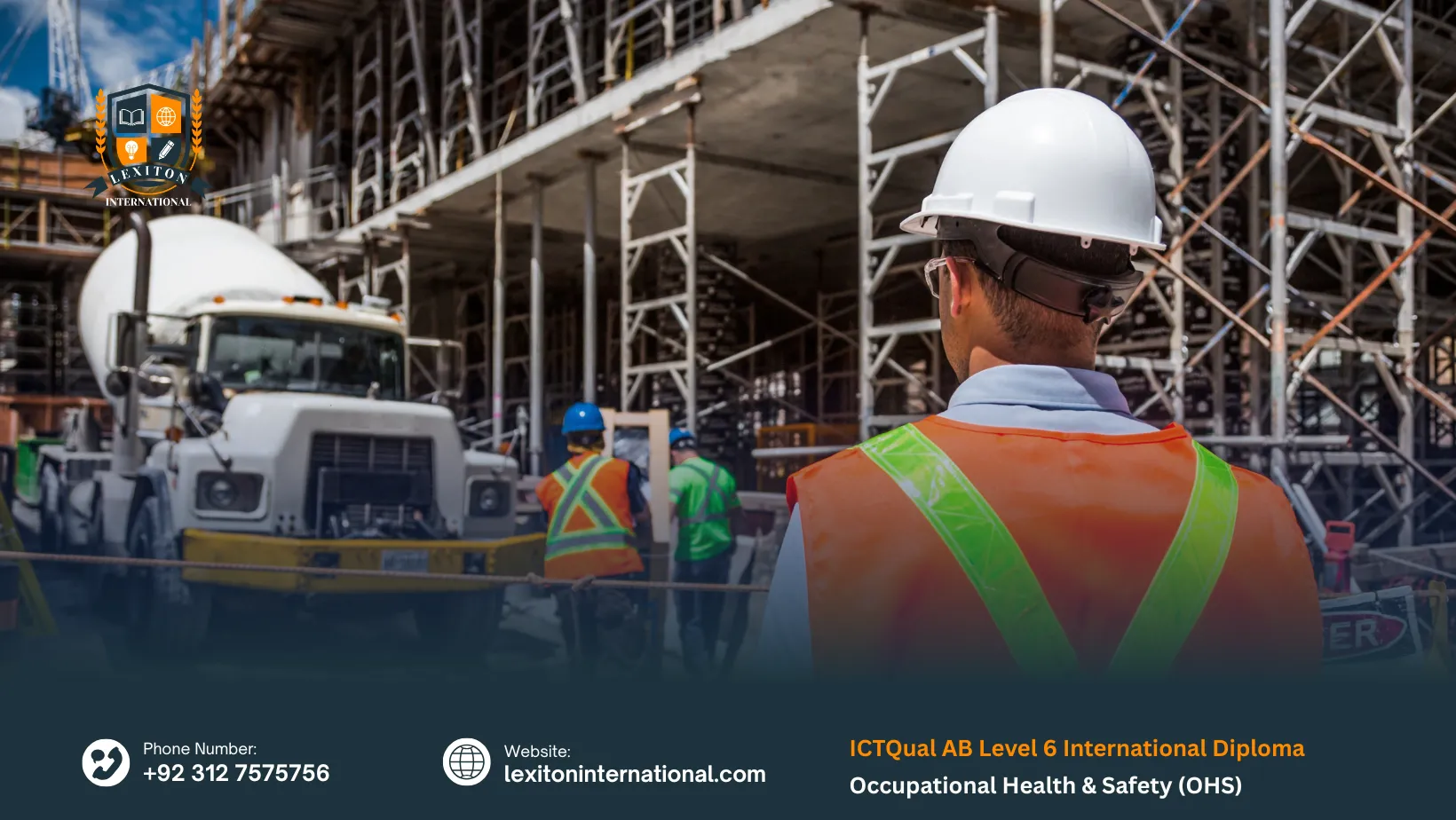
The ICTQual AB Level 6 International Diploma in Occupational Health & Safety (OHS) is a comprehensive and globally recognized qualification designed to develop advanced expertise in workplace health and safety management. It equips professionals with the strategic knowledge and practical understanding required to design, implement, and manage effective safety systems across diverse industrial sectors. The programme aligns with international safety standards and regulatory frameworks, making it highly relevant for high-risk working environments.
The course covers essential areas such as hazard identification, risk assessment, incident investigation, legal compliance, emergency preparedness, and safety culture development. It also focuses on leadership, communication, and policy implementation to help learners manage complex safety challenges effectively. Through structured learning, case-based analysis, and applied concepts, learners develop the ability to make informed safety decisions and improve overall workplace performance.
Graduates of this qualification are suited for senior positions in occupational health and safety, compliance management, risk control, and safety consultancy. The programme enhances professional capability in managing workplace safety systems and supporting organizational compliance. It is widely valued across industries where safety, risk management, and regulatory adherence are critical to operational success.
- Age Requirement Learners should ideally be 18 years or older, as the course involves strategic-level safety concepts, regulatory frameworks, and leadership responsibilities.
- Educational Background Applicants should have a foundational understanding of occupational health and safety or hold a qualification in safety management, engineering, environmental science, or a related discipline. Prior training in ISO standards or risk management is beneficial.
- Work Experience Relevant industry experience in health and safety, compliance, or operational risk management is advantageous but not mandatory. Practical exposure to workplace safety systems, audits, or incident reporting enhances learning outcomes.
- English Language Proficiency Learners should have a good command of spoken and written English to interpret technical documentation, participate in discussions, and prepare professional safety reports.
Mandatory Unit
Year 1 – Foundation of Occupational Health & Safety (OHS)
Year 2 – Applied Occupational Health & Safety (OHS)
Year 3 – Professional Competence and Specialized OHS Practice
Skills You Will Gain
Learning Outcomes for the ICTQual AB Level 6 International Diploma in Occupational Health & Safety (OHS) 360 Credits – Three Years:
Year 1 – Foundation of Occupational Health & Safety (OHS)
1. Principles of Occupational Health & Safety Management
- Demonstrate understanding of the core principles of OHS management systems.
- Explain the importance of integrating safety into overall business operations.
- Apply the key functions of planning, implementing, and monitoring OHS practices.
- Evaluate the roles of employers, employees, and stakeholders in maintaining safe workplaces.
2. International Health & Safety Legislation and Compliance
- Identify key international and regional health and safety laws.
- Interpret compliance requirements across different industries and sectors.
- Compare global standards such as OSHA, ILO conventions, and ISO 45001.
- Develop compliance strategies to align workplace policies with regulations.
3. Risk Assessment and Hazard Identification
- Define hazards and assess associated risks in diverse workplace settings.
- Apply risk assessment models to identify, evaluate, and prioritize risks.
- Recommend suitable control measures to minimize identified risks.
- Document and communicate risk assessment findings to stakeholders.
4. Accident Investigation and Incident Reporting
- Recognize the importance of accurate and timely accident reporting.
- Apply investigation techniques to determine root causes of workplace incidents.
- Develop corrective and preventive action plans.
- Prepare professional-level incident reports that meet regulatory standards.
5. Fire Safety and Emergency Preparedness
- Identify fire hazards and apply fire prevention principles.
- Design workplace emergency response and evacuation procedures.
- Demonstrate knowledge of fire safety equipment and its correct usage.
- Evaluate the effectiveness of fire drills and emergency training programmes.
6. Environmental Health & Safety (EHS) Fundamentals
- Explain the link between occupational health, safety, and environmental management.
- Assess environmental hazards such as chemical exposure, noise, and air quality.
- Recommend EHS practices to minimize environmental and human health risks.
- Promote sustainability within workplace safety frameworks.
7. Workplace Ergonomics and Human Factors
- Define ergonomic risks and their effects on worker health and performance.
- Apply ergonomic design principles to workstations, tools, and equipment.
- Recommend solutions to reduce musculoskeletal disorders and fatigue.
- Assess how human factors influence safety performance and error reduction.
8. Safety Culture and Behavioural Safety
- Define safety culture and its impact on organizational performance.
- Identify behavioural patterns that influence safety outcomes.
- Develop strategies to promote positive safety behaviours in the workplace.
- Evaluate methods of measuring and improving safety culture.
9. Occupational Health and Industrial Hygiene
- Identify workplace health hazards including chemical, physical, and biological risks.
- Apply monitoring and measurement techniques in industrial hygiene.
- Recommend effective control measures to protect worker health.
- Promote wellness programmes to support occupational health initiatives.
10. Personal Protective Equipment (PPE) Management
- Identify different types of PPE and their workplace applications.
- Assess organizational needs for selecting appropriate PPE.
- Train employees in the correct usage and maintenance of PPE.
- Evaluate the effectiveness and limitations of PPE in risk control.
11. Workplace Safety Auditing and Monitoring
- Explain the objectives and importance of safety audits.
- Conduct workplace safety inspections to identify non-compliance.
- Prepare and present professional audit reports with recommendations.
- Implement continuous improvement measures based on audit findings.
12. Communication and Training in Health & Safet
- Recognize the importance of effective communication in OHS.
- Design safety training programmes for a diverse workforce.
- Apply various communication methods to promote safety awareness.
- Evaluate the effectiveness of training and communication strategies.
Year 2 – Applied Occupational Health & Safety (OHS)
1. Advanced Risk Management and Control Strategies
- Apply advanced techniques for identifying and prioritizing workplace risks.
- Develop comprehensive control strategies to eliminate or minimize risks.
- Integrate risk management processes into organizational safety systems.
- Evaluate the effectiveness of implemented risk controls using measurable indicators.
2. Safety Leadership and Organizational Culture
- Explain the role of leadership in promoting workplace safety.
- Develop strategies to influence organizational safety culture positively.
- Apply leadership principles to encourage worker participation in OHS programmes.
- Assess the impact of leadership styles on health and safety performance.
3. International Standards and ISO 45001 Implementation
- Interpret the key requirements of ISO 45001 and related standards.
- Design OHS management systems aligned with international frameworks.
- Apply auditing principles to ensure compliance with ISO standards.
- Evaluate organizational readiness for OHS certification.
4. Construction and High-Risk Industry Safety
- Identify safety challenges specific to high-risk industries such as construction.
- Apply control measures to mitigate hazards in complex work environments.
- Develop industry-specific OHS management plans.
- Evaluate case studies to apply lessons learned from high-risk industries.
5. Process Safety and Chemical Hazard Management
- Recognize hazards associated with chemical processes and storage.
- Apply process safety principles to manage chemical risks.
- Develop emergency response procedures for chemical incidents.
- Assess the effectiveness of chemical hazard management systems.
6. Occupational Disease Prevention and Control
- Identify common occupational diseases and their workplace causes.
- Apply preventive measures to minimize exposure to health risks.
- Develop workplace health surveillance and monitoring programmes.
- Evaluate the effectiveness of interventions in reducing occupational illnesses.
7. Crisis and Disaster Management in the Workplace
- Define crisis and disaster management concepts within workplace settings.
- Develop crisis response and business continuity plans.
- Apply decision-making strategies during workplace emergencies.
- Evaluate organizational resilience through post-crisis assessments.
8. Transportation and Logistics Safety Management
- Identify key risks in transportation and logistics operations.
- Develop safety measures for road, air, and maritime logistics activities.
- Implement monitoring systems for transportation safety compliance.
- Assess the impact of logistics safety failures on organizational performance.
9. Contractor and Supply Chain Safety Oversight
- Explain the role of OHS in contractor and supply chain management.
- Develop policies for evaluating and monitoring contractor safety performance.
- Apply auditing and compliance checks across supply chains.
- Evaluate case studies to improve safety in outsourced operations.
10. Sustainability and Corporate Responsibility in OHS
- Define the link between sustainability, corporate responsibility, and OHS.
- Apply sustainability principles to workplace safety programmes.
- Develop OHS initiatives that align with corporate social responsibility (CSR).
- Evaluate the role of OHS in promoting long-term sustainable development.
11. Research Methods in Occupational Health & Safety
- Apply research methodologies relevant to occupational health and safety studies.
- Collect and analyze OHS-related data using quantitative and qualitative approaches.
- Develop research proposals addressing workplace safety issues.
- Evaluate the ethical considerations in OHS research.
12. Applied Case Studies in OHS Practice
- Reflect on lessons learned to improve personal and professional practice.
- Analyze real-world case studies in occupational health and safety.
- Apply theoretical knowledge to practical workplace safety challenges.
- Recommend corrective and preventive measures based on case analysis.
Year 3 – Strategic Leadership in Occupational Health & Safety (OHS)
1. Strategic OHS Management and Policy Development
- Develop comprehensive occupational health and safety policies aligned with global standards.
- Integrate OHS strategies into overall organizational objectives.
- Apply strategic planning tools to long-term health and safety management.
- Evaluate policy effectiveness through audits and performance reviews.
2. Advanced Workplace Health Promotion and Well-being
- Design health promotion programmes that enhance employee well-being.
- Apply advanced strategies for stress management and mental health support.
- Integrate wellness initiatives into OHS systems.
- Evaluate the impact of well-being programmes on productivity and safety outcomes.
3. Safety Technology, Digital Tools, and Data Analytics
- Apply digital technologies such as AI, IoT, and VR in workplace safety.
- Use data analytics to predict and prevent workplace accidents.
- Evaluate the effectiveness of safety software and digital monitoring systems.
- Develop digital strategies for enhancing workplace safety performance.
4. Global Perspectives in Occupational Health & Safety
- Compare international OHS practices across different regions.
- Assess global frameworks and conventions shaping workplace safety.
- Analyze the challenges of implementing OHS in diverse cultural contexts.
- Recommend improvements to align local practices with global standards.
5. Corporate Governance and Ethical Responsibilities in OHS
- Define the role of corporate governance in occupational health and safety.
- Apply ethical frameworks to decision-making in OHS management.
- Develop governance structures that support OHS compliance.
- Evaluate the impact of ethical practices on organizational reputation and performance.
6. Industrial Safety in Oil, Gas, and Energy Sectors
- Identify key hazards in oil, gas, and energy industries.
- Develop safety management plans tailored to high-risk industrial operations.
- Apply international safety standards specific to the energy sector.
- Evaluate case studies of safety incidents in oil, gas, and energy operations.
7. Safety in Healthcare and Public Service Environments
- Recognize unique safety challenges in healthcare and public services.
- Develop programmes for infection control and patient safety.
- Apply OHS principles to emergency and frontline services.
- Evaluate the effectiveness of safety systems in healthcare environments.
8. Emerging Risks and Future Trends in Workplace Safety
- Identify new and evolving workplace hazards in modern industries.
- Assess the impact of technology, globalization, and climate change on OHS.
- Develop proactive strategies to address future safety challenges.
- Evaluate research trends and their relevance to occupational health and safety.
9. Training Design and Development for OHS Professionals
- Design effective training programmes for diverse workplace audiences.
- Apply adult learning principles to health and safety education.
- Develop training materials using modern digital tools.
- Evaluate the effectiveness of training through feedback and assessments.
10. Independent Research Project in Occupational Health & Safety
- Formulate research questions relevant to OHS issues.
- Apply appropriate methodologies to investigate workplace safety problems.
- Collect and analyze research data to draw valid conclusions.
- Present findings in a professional and academically rigorous format.
11. Professional Practice, Portfolio, and Competence Review
- Develop a portfolio showcasing professional OHS achievements.
- Reflect on personal growth and competence in occupational safety.
- Apply self-assessment techniques to identify areas for improvement.
- Demonstrate readiness for advanced professional roles in OHS.
12. Final Capstone Project / Dissertation
- Design and execute a major project addressing a critical OHS issue.
- Apply multidisciplinary approaches to solve workplace safety challenges.
- Produce a dissertation that demonstrates advanced academic and professional competence.
- Defend research findings through presentation and critical discussion.
The ICTQual AB Level 6 International Diploma in Occupational Health & Safety (OHS) is designed for individuals who want to build strong expertise in workplace safety, risk management, and health protection systems. It is ideal for learners who are committed to creating safer working environments and ensuring compliance with international safety standards.
Who Is This Course For
- Learners who want to start a career in occupational health and safety management
- Individuals working in construction, manufacturing, or industrial environments
- Safety officers and supervisors aiming to upgrade their professional skills
- Professionals responsible for workplace risk assessment and hazard control
- Individuals interested in fire safety, emergency planning, and accident prevention
- Learners who want to understand safety laws, regulations, and compliance systems
- Those aiming to work in HSE (Health, Safety & Environment) departments
- People passionate about improving workplace safety culture and employee wellbeing
- Individuals seeking roles in safety inspection and compliance monitoring
- Anyone motivated to build a career focused on protecting people and workplaces
The ICTQual AB Level 6 International Diploma in Occupational Health & Safety (OHS) equips learners with advanced knowledge in workplace safety, risk control, and compliance management. It prepares individuals to take responsibility for creating safer environments where people, processes, and operations are fully protected.
Future Progression
- Occupational Health and Safety Officer roles in industrial and corporate sectors
- Positions in construction site safety management and supervision
- Careers in risk assessment and hazard control departments
- Roles in Health, Safety & Environment (HSE) compliance teams
- Opportunities in fire safety and emergency response coordination
- Positions in industrial inspection and workplace audit teams
- Careers in safety consultancy and advisory services
- Roles in accident prevention and workplace incident investigation units
- Opportunities in manufacturing and energy sector safety management
- Long-term growth into senior safety leadership and compliance management positions
Curious About This Course?